Yes, you can put rubbing alcohol in a plastic spray bottle, as long as the bottle is polypropylene (PP), high-density polyethylene (HDPE) or PET and the sprayer's seals are rated for the alcohol you use. Those three plastics handle 70% and 91% isopropyl alcohol at room temperature. Most of the "alcohol ruined my spray bottle" stories we hear are not about the bottle. The seal inside the sprayer swells, the bottle stays fine, and the head starts dripping or loses prime.
We mold spray bottles and assemble fine mist, continuous mist and trigger sprayers in Yuyao, China, and sanitizer, room-spray and cleaning brands send us alcohol formulas to test every month. This guide covers which plastics and which gasket materials hold up, why ethanol-based rubbing alcohol is harder on sprayers than isopropyl, which sprayer format suits alcohol best, and what to fix when an alcohol spray bottle leaks or stops spraying.
Quick Answer: Is It Safe to Put Rubbing Alcohol in a Plastic Spray Bottle?
- Safe bottle plastics: PP, HDPE and LDPE are excellent. PET (recycling code 1) is good at room temperature. Look for codes 1, 2, 4 or 5 on the base.
- Avoid: polycarbonate and polystyrene parts, thin reused drink bottles, and any bottle that held bleach or another chemical.
- The real weak point is the seal: nitrile (NBR) is only fair with ethanol. EPDM, FKM (Viton) and LDPE gaskets are the safe choices for high-alcohol formulas.
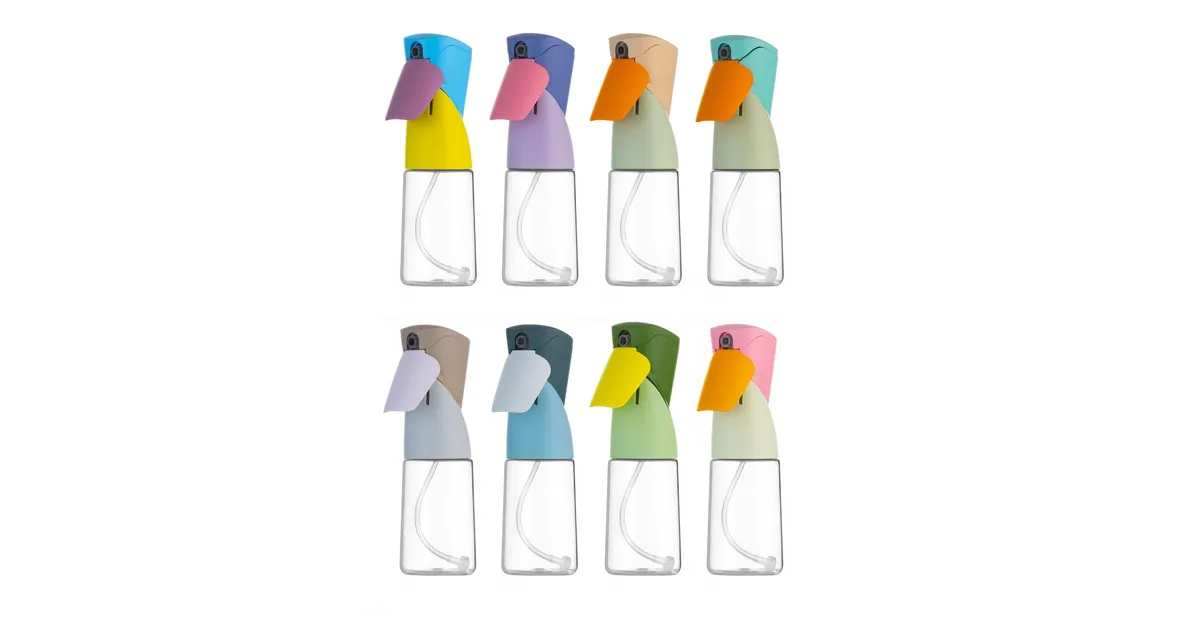
- Best sprayer for alcohol: a fine mist pump or continuous mist sprayer. Trigger sprayers work, but a cheap one is the most likely to drip.
- Keep it safe: 70% isopropyl alcohol has a flash point of about 18 °C (65 °F). Label the bottle, cap it, and keep it out of hot cars and away from flames.
First, What Is in Your "Rubbing Alcohol"?
"Rubbing alcohol" is two different products, depending on the label. That matters for your sprayer, as the seal tables below show.
- Isopropyl rubbing alcohol (USP) is about 68–72% isopropanol in water. This is what most US drugstores sell as 70% rubbing alcohol. The 91% and 99% bottles are stronger isopropyl grades.
- Rubbing alcohol (USP, without "isopropyl") is denatured ethanol at roughly 70%. It is more common in some markets and is the base of many hand sanitizers and room sprays.
Both are thin, low-viscosity liquids (about 2 mPa·s at 70%, close to water), so any mist sprayer can atomize them. The difference is chemistry. Ethanol attacks nitrile rubber noticeably more than isopropanol does, and nitrile is the default seal in low-cost sprayers.
| Product | Active alcohol | Typical use | Flash point (closed cup) |
|---|---|---|---|
| Isopropyl rubbing alcohol 70% | Isopropanol 68–72% | Skin prep, surface disinfecting, cleaning | ~18 °C (65 °F) |
| Isopropyl alcohol 91% | Isopropanol ~91% | Electronics, degreasing, sticker residue | ~12–14 °C (54–57 °F) |
| Isopropyl alcohol 99% | Isopropanol 99%+ | Electronics cleaning, lab use | ~12 °C (53 °F) |
| Rubbing alcohol (ethanol-based) | Denatured ethanol ~70% | Sanitizer, room spray, massage | Below room temperature to low 20s °C, depending on mix |
Flash points are from manufacturer safety data sheets (for example, 18.3 °C closed cup for 70% isopropanol). All four are flammable liquids, which is why the safety section below matters as much as the plastic choice.
Which Plastic Spray Bottles Can Hold Rubbing Alcohol?
The table below combines published chemical resistance data (Thermo Fisher Nalgene ratings and Cal Pac Lab compatibility charts, both based on 30-day immersion at about 20 °C) with what we see in our own aging tests. The recycling code molded into the base tells you which row you are holding.
| Bottle plastic (code) | Isopropyl alcohol | Ethanol | Our verdict for alcohol sprays |
|---|---|---|---|
| PP (5) | Excellent (A) | Excellent (A) | ✅ Best all-round. Also the usual material for sprayer bodies. |
| HDPE (2) | Excellent | Excellent | ✅ Best for large bottles, 500 ml–1 L. Opaque, squeeze-tolerant. |
| LDPE (4) | Excellent | Excellent | ✅ Good for soft squeeze bottles and gaskets. Slight alcohol vapor loss over months. |
| PET (1) | Good (G) | Good (G) | ✅ Fine at room temperature. Clear retail look. Watch heat plus fragrance oils. |
| Polycarbonate (7) | Rated A, but stress-cracks | Good (B) | ⚠️ Avoid. Under stress, PC cracks in isopropanol at about 1.2% strain. |
| Polystyrene (6) | Limited data | Limited data | ❌ Brittle and crack-prone. We do not use it for alcohol packaging. |
| Reused drink bottle (1, thin PET) | Material OK | Material OK | ❌ Thin walls, no sprayer fit, dangerous mix-up risk. Don't. |
Two points that most online answers get wrong:
- PET is not "attacked" by rubbing alcohol. Thermo Fisher rates PETG "G" for aliphatic alcohols, meaning little or no damage after 30 days of constant exposure. Commercial 70%+ isopropyl hand sanitizers are sold in PET bottles. PET's real risks are high pH (above about 11), heat, and terpene-rich fragrance oils such as d-limonene, not the alcohol itself. (Our older auto-detailing chart marked PET as unsuitable for IPA. We have corrected it.)
- "Excellent" ratings assume an unstressed part. Polycarbonate gets an "A" for isopropanol in immersion tables, but a 2003 study measured a critical strain of only 1.21% for PC in isopropyl alcohol. Above that strain it crazes. A threaded neck or a snap-fit sprayer collar easily exceeds that. This is why chemical charts alone mislead people about PC and acrylic sprayer parts.
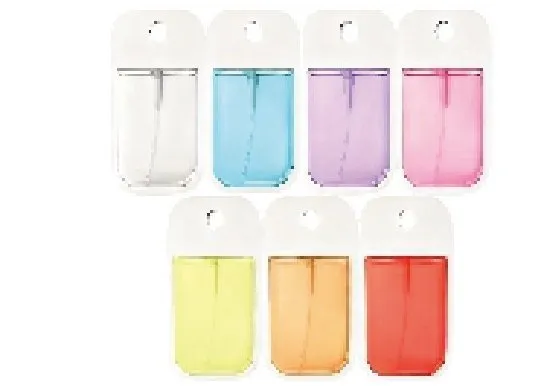
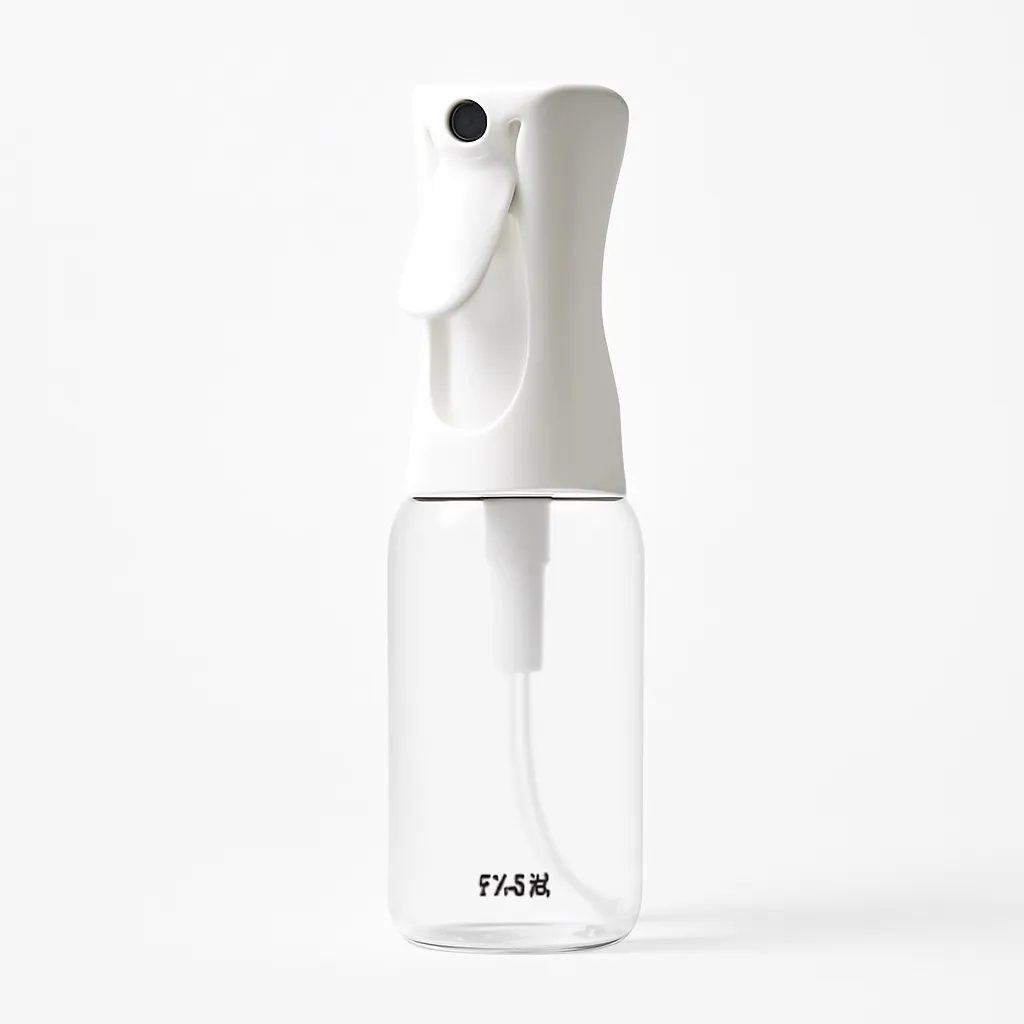
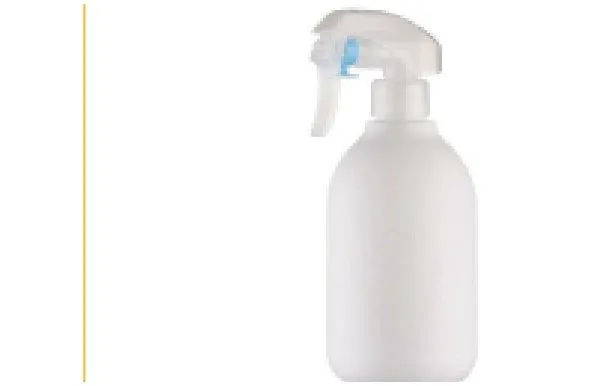
Packaging an alcohol-based product? Send us the formula type and alcohol percentage. We will match bottle resin and gasket material and ship free samples for your own compatibility test. See our continuous mist spray bottles or request samples.
Looking for a reliable spray bottle supplier?
Get free samples and a factory-direct quote within 12 hours.
Get a Free Quote →The Part That Actually Fails: Seals, Springs and Valves
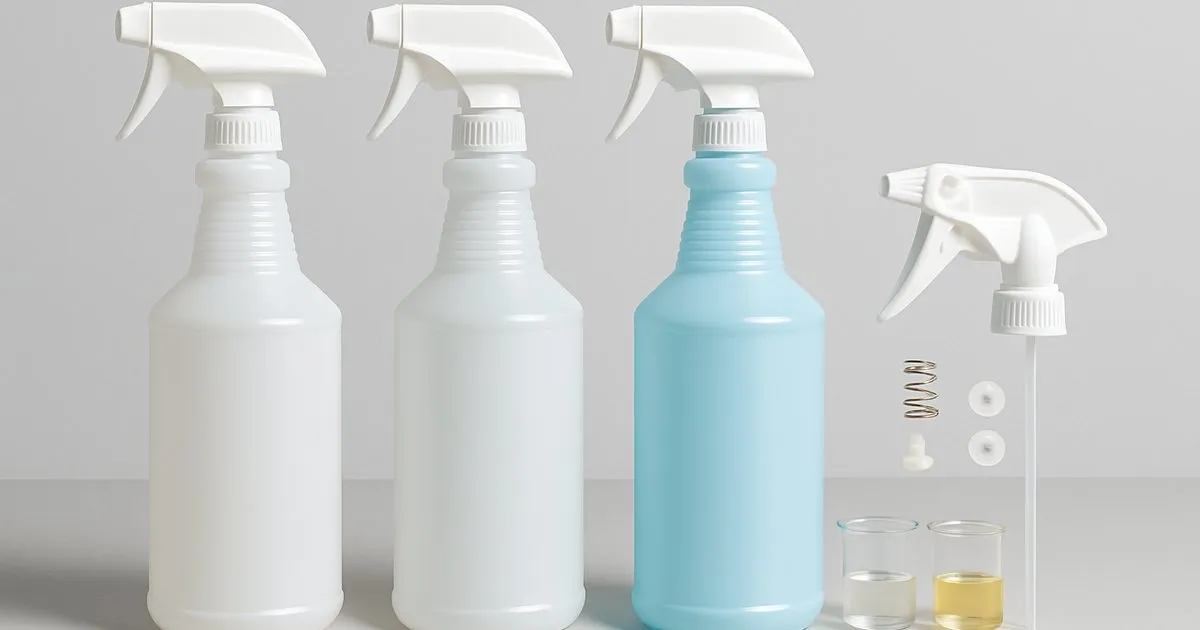
When customers send back an "alcohol-damaged" sprayer, we cut it open. The bottle is almost always fine. The failure is in one of three small parts: the closure gasket, the piston seal, or the spring.
Elastomers absorb alcohol and swell. A gasket that swells by 15–25% no longer seats evenly, so the bottle weeps at the neck. A swollen piston seal drags, so the pump returns slowly or sticks down. This is what the published ratings show:
| Seal material | Isopropyl alcohol | Ethanol | Where you find it |
|---|---|---|---|
| Nitrile (NBR, Buna-N) | B: minor to moderate effect | C: not for continuous use | Default in low-cost triggers and pumps |
| EPDM | A: excellent | A: excellent | Chemical-resistant triggers, sanitizer pumps |
| FKM (Viton) | A: excellent | A: excellent | Premium and solvent-duty sprayers |
| Silicone (VMQ) | A: excellent | B: minor effect | Soft valves, some mist pumps (absorbs fragrance) |
| LDPE gasket | Excellent | Excellent | Fine mist pump closures, perfume and room sprays |
Ratings: Cal Pac Lab rubber and Viton compatibility charts (A = excellent, B = minor to moderate effect, C = moderate to severe effect). Seal manufacturers rate NBR's swell in isopropanol at roughly 15–25% ("acceptable"), compared with under 15% for EPDM and silicone.
The practical takeaway is not "never use nitrile." For a household bottle of 70% isopropyl that you refill every few weeks, a standard NBR-sealed sprayer usually lasts. The problem appears when an ethanol sanitizer or room spray sits in an NBR-sealed pump on a shelf for months. That is the combination behind most of the sticky, dripping heads we see. If you are a brand, name the elastomer on the purchase order. "Alcohol resistant" is not a specification.
Springs: 70% alcohol is 30% water, so a plain carbon-steel spring in the fluid path can rust and drop orange flecks into a clear formula. Specify 304 stainless steel or an external spring that sits outside the liquid path.
Ethanol vs Isopropyl: Why Alcohol Sprays Leak Even When Nothing Is Damaged
Water has a surface tension of about 72 mN/m. Ethanol and isopropanol are both around 22–23 mN/m, roughly a third of that. Low surface tension means alcohol wets and creeps through gaps that water would bridge. You can see this in three ways:
- Weeping at the neck. A collar that seals water perfectly can let 70% alcohol creep along the threads, especially if the gasket is slightly swollen or the cap is under-torqued.
- Drip after spraying. Alcohol left in the nozzle channel wicks out as a drop instead of staying put.
- Loss of prime. Alcohol evaporates quickly. If a sprayer sits unused, the liquid in the pump chamber evaporates, air gets in, and the first few strokes spray nothing.
Fast evaporation also leaves behind anything dissolved in the alcohol. Rubbing alcohol with added fragrance, glycerin or aloe leaves a film in the 0.2–0.5 mm orifice that eventually clogs it. Plain alcohol does not clog, but a sanitizer or room spray does.
70% vs 91% vs 99%: Does Concentration Change the Answer?
For the bottle, only slightly. PP, HDPE and PET handle all three at room temperature. Higher concentration does increase gasket swelling and makes stress cracking in stressed parts more likely. It also lowers the flash point (from about 18 °C to about 12 °C), which matters for storage.
For the job, concentration matters a lot:
| Concentration | Best for | Spray notes |
|---|---|---|
| 60–90% (70% typical) | Disinfecting surfaces and skin | The CDC cites 60–90% as the optimum bactericidal range. The water slows evaporation and improves contact time. |
| 91% | Degreasing, sticker and adhesive residue, glass | Evaporates faster with less streaking. Harder on NBR seals. |
| 99% | Electronics and optics cleaning | Leaves almost no water behind. Usually applied with a cloth, not sprayed onto electronics. |
If you are filling a spray bottle to disinfect, 70% is both the more effective choice and the gentler one for your sprayer. To dilute 91% to about 70%, mix roughly 3 parts alcohol with 1 part distilled water (for example, 225 ml + 75 ml). Distilled water also avoids mineral scale in the nozzle.
Which Sprayer Type Works Best With Rubbing Alcohol?
| Sprayer | Output per stroke | Spray pattern | Best alcohol use | Watch out for |
|---|---|---|---|---|
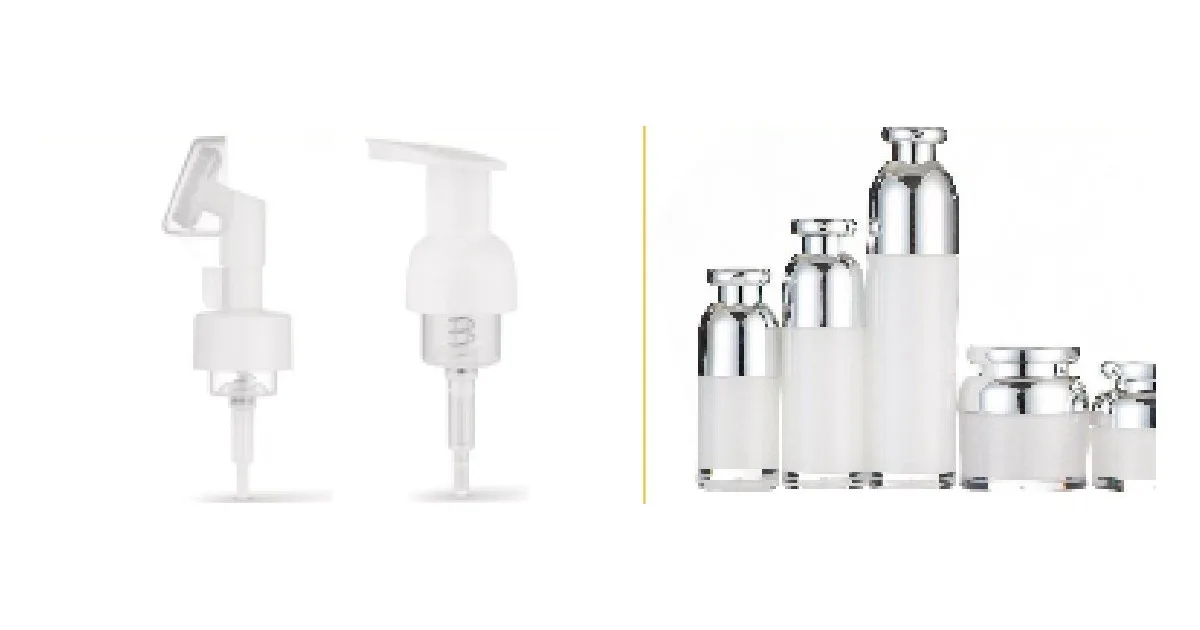
| Fine mist pump (20/410, 24/410) | 0.10–0.15 ml | Very fine cone, 40–80 µm droplets | Pocket sanitizer, skin, face masks, fabric | Ethanol formulas need an LDPE or EPDM gasket |
| Continuous mist | Steady 1–3 s mist | Wide, even fog | Surface disinfecting, room spray, hair | Prime loss if left unused for weeks |
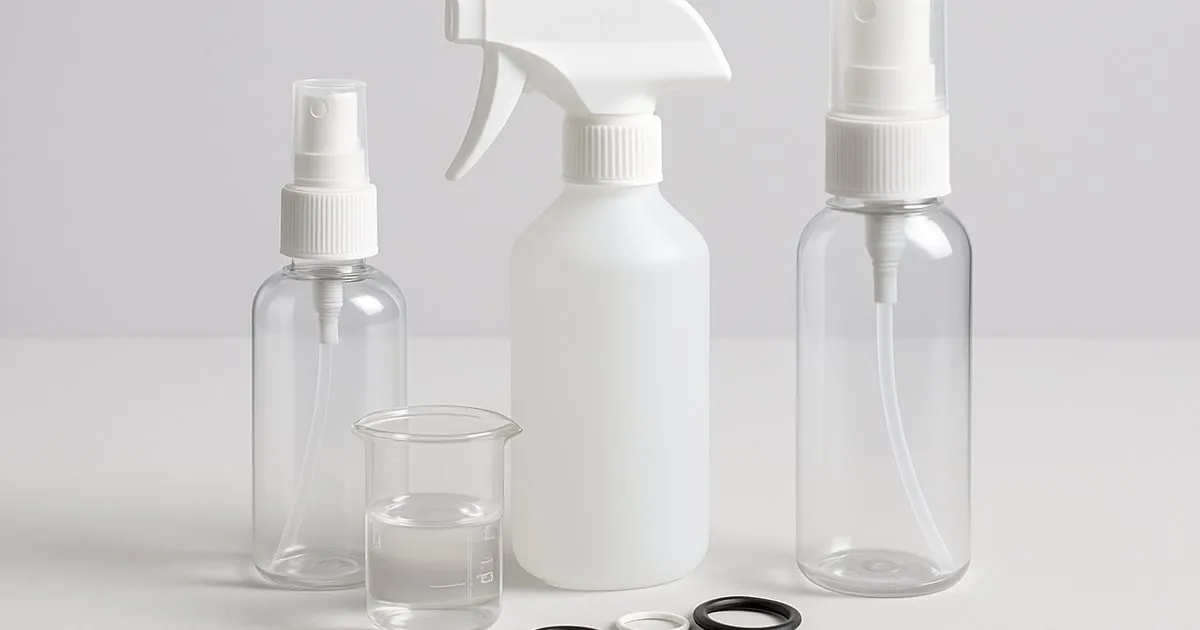
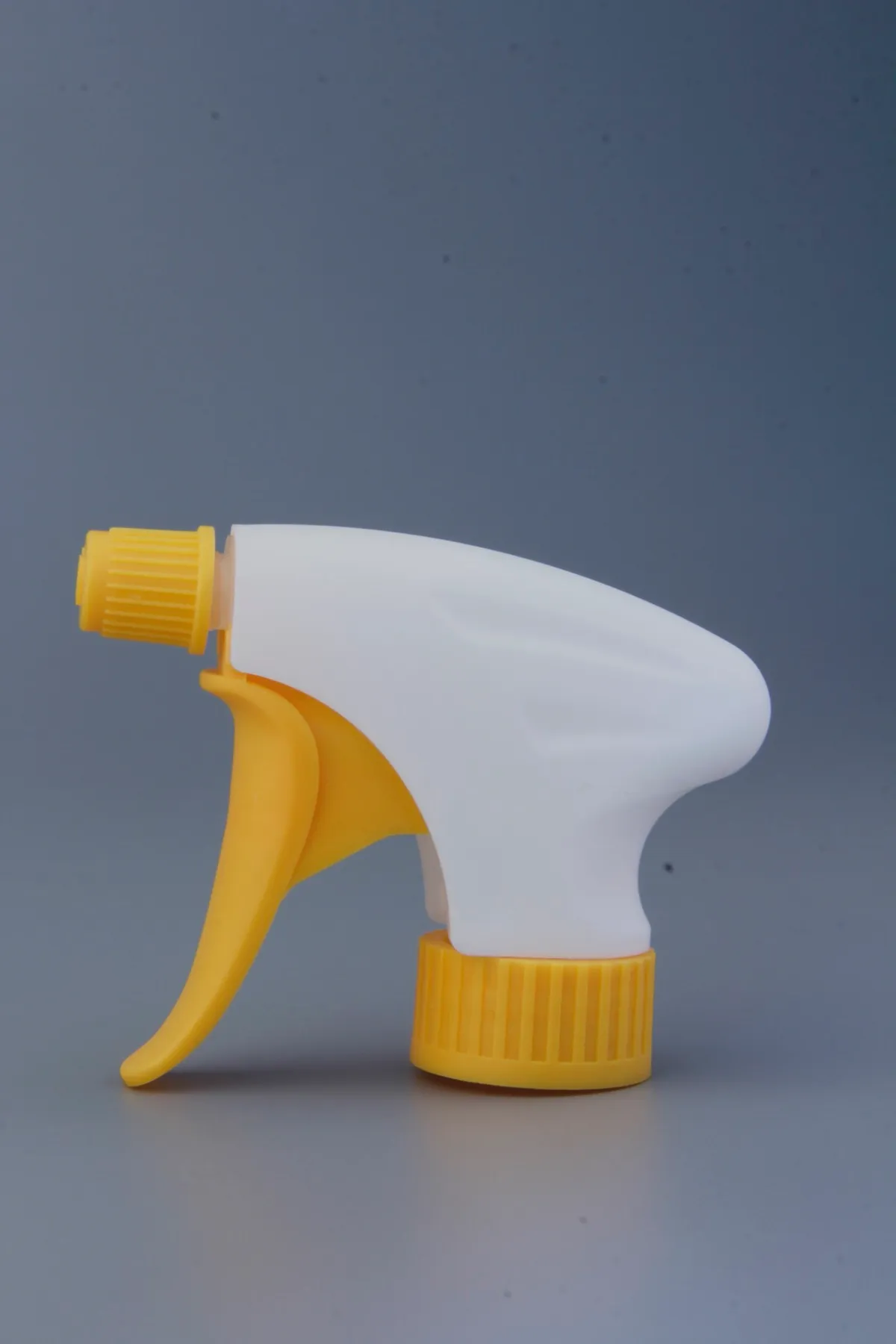
| Trigger sprayer (28/400, 28/410) | 0.8–1.3 ml | Adjustable stream to spray | Large-area cleaning, workshops, 500 ml–1 L | Cheap NBR-sealed triggers drip with ethanol |
For most people refilling 70% isopropyl, a 100–250 ml PET or HDPE bottle with a fine mist pump is the best combination. It covers a surface lightly without puddling, so it wastes less alcohol and dries faster. For larger areas, our trigger sprayers on HDPE bottles are better. Choose the EPDM-sealed version if you will use ethanol. For more on matching sprayer to liquid, see fine mist vs trigger sprayer compared.
Alcohol Spray Bottle Leaking or Not Spraying? 5 Quick Fixes
| Symptom | Likely cause | Fix |
|---|---|---|
| Liquid weeps around the cap | Low surface tension creep, or a swollen or missing gasket | Check the gasket is seated, then tighten a further 1/8 turn. If the gasket is soft or enlarged, replace the sprayer. |
| First 5–10 strokes spray nothing | Alcohol evaporated from the pump chamber | Pump steadily to re-prime. Store the bottle upright with the nozzle locked or capped. |
| Drips after each spray | Nozzle wicking or a worn check valve | Wipe the nozzle and turn it to "off" after use. If dripping continues, the valve is worn. |
| Pump sticks down or returns slowly | Swollen NBR piston seal (common with ethanol) | Flush with warm water. If it stays sticky, change to an EPDM-sealed sprayer. |
| Spray turns to a stream or sputters | Residue from additives drying in the orifice | Soak the head in warm water, then pump clean water through 20 strokes. Don't push a pin through the orifice. |
Step-by-step cleaning and repair for each sprayer type is in our spray bottle troubleshooting guide. If you use a continuous mist bottle, see continuous spray bottle not working: fixes.
Safety Rules for Keeping Alcohol in a Spray Bottle
- Label it. Clear alcohol looks exactly like water. Write "70% ISOPROPYL ALCOHOL – FLAMMABLE" on the bottle.
- Never reuse a chemical bottle. Alcohol mixed with leftover bleach forms chloroform and other chlorinated compounds. Use a new or thoroughly washed bottle that only ever held water or alcohol.
- Keep it out of hot cars. A parked car's interior can easily reach 50–60 °C in summer, far above the flash point. The vapor pressure also pushes liquid past the seals.
- Don't spray near flames or hot surfaces. This includes stoves, candles, space heaters and running electronics. A fine mist ignites more easily than a pool of liquid.
- Don't use food or drink bottles. Mix-ups cause most accidental alcohol poisonings in children.
- Store it capped and upright. This limits evaporation and keeps the pump primed.
For Brands: How to Package an Alcohol Spray Product
If you are launching a hand sanitizer spray, an alcohol disinfectant, a room spray or a hair product, the packaging decisions are the same ones a household user makes, at volume and with regulations attached.
1. Write the elastomer and spring into the spec
Bottle: PET, HDPE or PP. Gasket: LDPE or EPDM for ethanol, NBR acceptable only for isopropyl. Spring: 304 stainless steel or external. Dip tube: PE. Ask the supplier to confirm each item in writing.
2. Run a 4-week, 40 °C compatibility test
Fill samples with your actual formula and store them upright and inverted at 40 °C next to a glass control. Check weekly for weight loss (vapor and leak), bottle paneling or crazing at the neck, gasket swell, and spray output per stroke. We run this test on customer formulas before mass production. Our chemical-resistant spray bottle guide describes the full protocol.
3. Know the rules that alcohol content triggers
- Shipping: 70% isopropanol ships as UN1219 Isopropanol, Class 3 flammable liquid (usually as Limited Quantity in consumer sizes). Under US DOT 49 CFR 173.150(e), aqueous solutions with 24% or less alcohol and at least 50% water are excepted from hazmat rules.
- Hand sanitizer (US): the FDA's OTC monograph range is 60–95% ethanol or 70–91.3% isopropyl alcohol. The FDA has repeatedly warned about sanitizers contaminated with methanol, so source alcohol from a documented supplier.
- Labeling: consumer products that are flammable under the FHSA (flash point below 37.8 °C / 100 °F) need cautionary labeling. Room-spray specifics are in our room spray bottle guide.
4. Pricing, MOQ and lead time (FOB Ningbo)
| Package | Typical FOB price | MOQ | Lead time |
|---|---|---|---|
| PET bottle + PP fine mist pump, 100–250 ml | $0.12–0.30 | 5,000 pcs | 20–25 days |
| Stock PET continuous mist bottle, 200 / 300 / 500 ml | $0.35–0.70 | 3,000 pcs | 3–5 days (stock) |
| 32 oz HDPE bottle + standard 28/400 trigger (NBR) | $0.22–0.42 | 5,000 pcs | 15–25 days |
| 32 oz HDPE bottle + chemical-resistant trigger (EPDM/FKM) | $0.33–0.65 | 5,000–10,000 pcs | 20–30 days |
| Amber glass Boston round + fine mist pump, 100 ml | $0.30–0.65 | 1,000–3,000 pcs | 20–30 days |
These are indicative ranges and move with resin prices, decoration and order volume. The EPDM upgrade typically adds about $0.10–0.20 per unit, which is small compared with a batch of returned, dripping sprayers. For a broader view of how much spray bottles cost, see our spray bottle wholesale price guide.
Frequently Asked Questions
Can you put 70% isopropyl alcohol in a plastic spray bottle?
Yes. PP, HDPE, LDPE and PET bottles are all compatible with 70% isopropyl alcohol at room temperature. Avoid polycarbonate and polystyrene parts, and label the bottle as flammable.
Can you put 99% isopropyl alcohol in a plastic spray bottle?
Yes, in PP or HDPE, and PET is fine for normal storage. 99% is harder on rubber seals than 70%, so a cheap nitrile-sealed sprayer may start to drip after some months. For disinfecting, 70% works better anyway.
Does rubbing alcohol eat through plastic?
Not the plastics used for spray bottles. PP and polyethylene are rated excellent and PET good after 30 days of constant exposure. Alcohol can craze stressed polycarbonate or acrylic parts and swell some rubber seals, which is what people usually notice.
Can I put rubbing alcohol in a PET bottle?
Yes. PET (recycling code 1) is rated good for aliphatic alcohols, and 70%+ isopropyl hand sanitizers are sold in PET commercially. PET's real limits are high-pH cleaners, heat and citrus or terpene-rich fragrance oils, not alcohol.
Why is my alcohol spray bottle leaking?
Alcohol has about a third of water's surface tension, so it creeps past a loose collar or a swollen gasket that would hold water. Re-seat the gasket and tighten the collar slightly. If the gasket has softened, which is common with nitrile and ethanol, replace the sprayer with an EPDM or LDPE-gasket version.
What is the best spray bottle for rubbing alcohol?
A 100–250 ml PET or HDPE bottle with a fine mist pump for personal and surface use, or an HDPE bottle with an EPDM-sealed trigger for large-area cleaning. If the alcohol is ethanol-based, choose EPDM, FKM or LDPE seals rather than nitrile.
Can I mix rubbing alcohol and water in a spray bottle?
Yes. Diluting 91% to about 70% (3 parts alcohol to 1 part distilled water) gives better disinfecting performance and is gentler on seals. Do not mix rubbing alcohol with bleach, as the combination forms chloroform and other harmful compounds.
Related Guides
- HDPE vs PET vs PP Spray Bottles: Which Plastic Should You Choose?
- Chemical-Resistant Spray Bottles for Bleach & Degreasers
- Room Spray Bottles for Home Fragrance Brands
- How to Fix a Spray Bottle That Won't Spray
- Continuous Spray Bottle Not Working? Fixes
- Mist Spray Bottles: Product Range
Request a Quote for Alcohol-Compatible Spray Bottles
Factory direct from Yuyao, China: PET, HDPE and PP bottles with fine mist, continuous mist or trigger sprayers, and EPDM or LDPE seals and stainless springs specified for your alcohol formula. MOQ from 3,000 pcs (stock) or 5,000 pcs (custom), with free samples for your compatibility test.
Last Updated: October 14, 2026