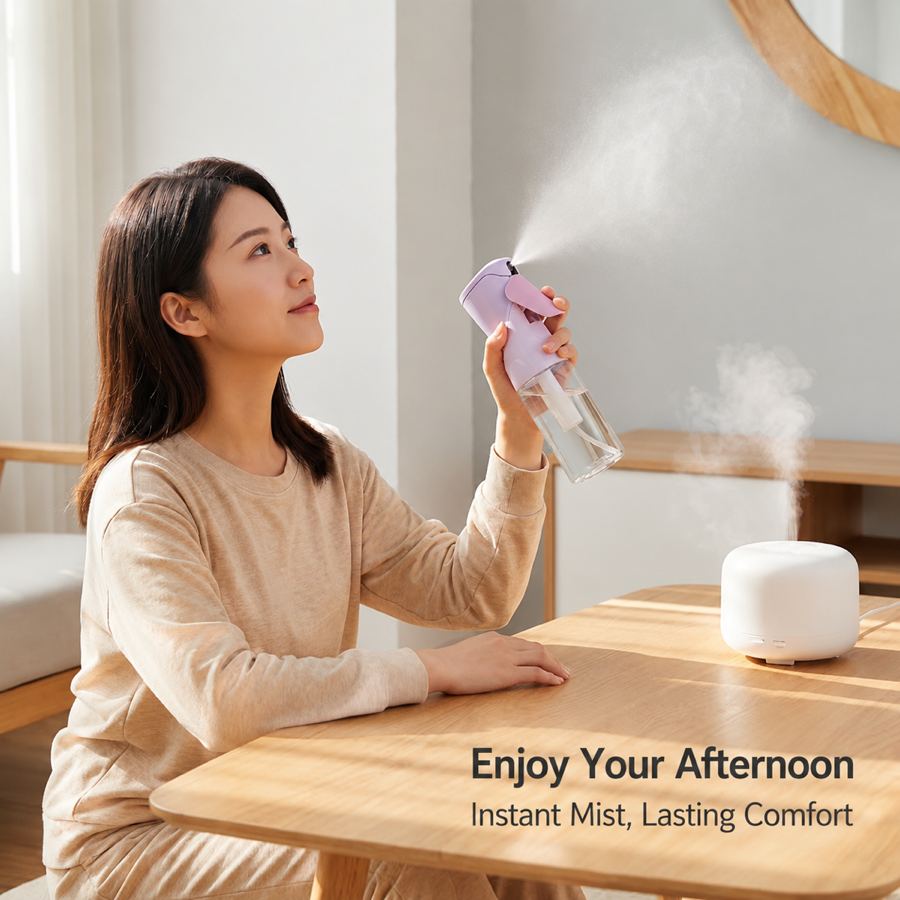
The plastic your spray bottle is made from determines more than just how it looks. It controls chemical compatibility (can it hold bleach? essential oil? vinegar?), impact resistance (will it survive a drop from the counter?), recyclability, and regulatory compliance for food-contact or cosmetic use. Yet most buyers specify "plastic spray bottle" and leave it at that. This guide compares the three most common plastics — HDPE, PET, and PP — with real engineering data to help you specify the right material.
1. Material Properties Comparison
| Property | HDPE | PET | PP |
|---|---|---|---|
| Full name | High-Density Polyethylene | Polyethylene Terephthalate | Polypropylene |
| Transparency | Translucent (milky) | Crystal clear | Translucent to opaque |
| Chemical resistance | Excellent — resists most acids, bases, solvents | Good — avoid strong alkalis; limited with essential oils | Excellent — best overall chemical resistance |
| Impact strength | High — survives drops well | Moderate — can crack on impact | High — excellent impact resistance |
| Max temp | 120°C (softening) | 70°C (softening) | 130°C (softening) |
| Barrier (oxygen) | Poor | Excellent | Moderate |
| Recyclability | #2 — widely recycled | #1 — most recycled plastic globally | #5 — growing recycling infrastructure |
| Cost (per kg, mid-2026) | $1.10-1.40 | $1.20-1.60 | $1.05-1.35 |
| Typical bottle cost (500ml) | $0.08-0.15 | $0.10-0.20 | $0.07-0.14 |
2. Best Plastic by Application
| Application | Recommended | Why |
|---|---|---|
| Household cleaners (all-purpose, bleach, bathroom) | HDPE | Superior chemical resistance for aggressive cleaners; high impact strength for frequent use and drops |
| Cosmetic sprays (facial mist, toner, setting spray) | PET | Crystal clarity showcases product; good barrier properties for formulations; premium shelf appearance |
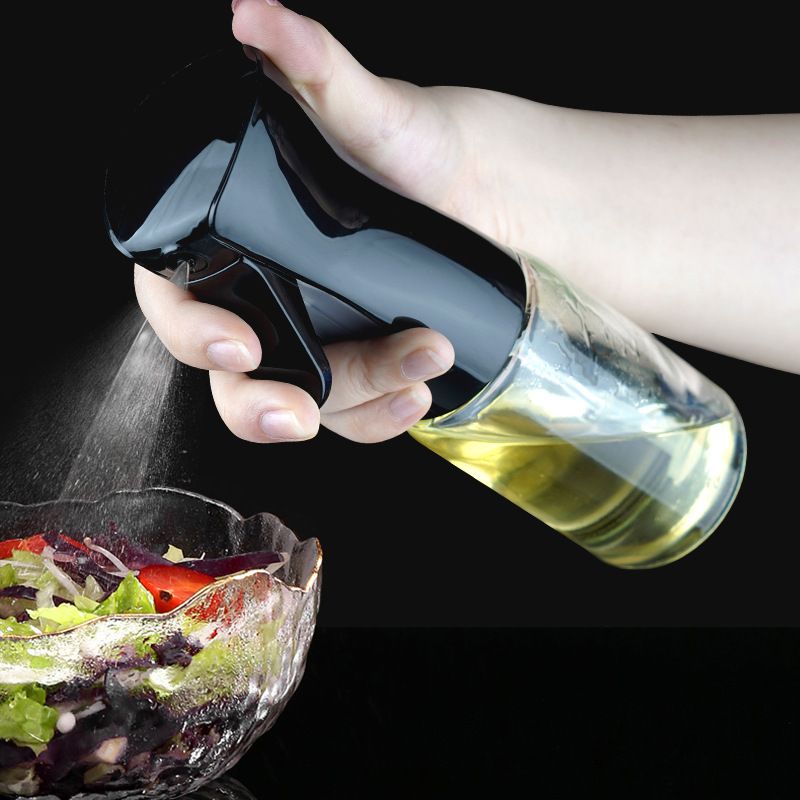
| Food-grade oil sprayers | PP or PET | PP for chemical inertness with oils; PET if clarity matters; both FDA food-contact compliant available |
| Garden sprayers (pesticides, fertilizers) | HDPE or PP | Both resist agricultural chemicals; HDPE preferred for UV-stabilized outdoor variants |
| Haircare (leave-in conditioner, detangler) | PET | Clarity and premium feel; good compatibility with haircare formulations |
| Industrial/commercial cleaners | HDPE | Heavy-duty durability; best chemical compatibility; cost-effective at volume |
3. Chemical Compatibility Quick Reference
- HDPE: Compatible with ethanol (up to 95%), isopropyl alcohol, sodium hypochlorite (bleach), hydrogen peroxide, citric acid, most essential oils. Not compatible with: turpentine, pure limonene, some concentrated solvents.
- PET: Compatible with water-based formulations, mild acids, diluted ethanol (<30%). Not compatible with: strong alkalis (NaOH >5%), acetone, pure essential oils (can cause stress cracking), hot-fill above 60°C.
- PP: Compatible with virtually all common household and cosmetic chemicals including: ethanol, isopropyl alcohol, acetone, essential oils, acids (except strong oxidizing), bases. The most chemically inert of the three.
4. Specifying Plastic for OEM Orders
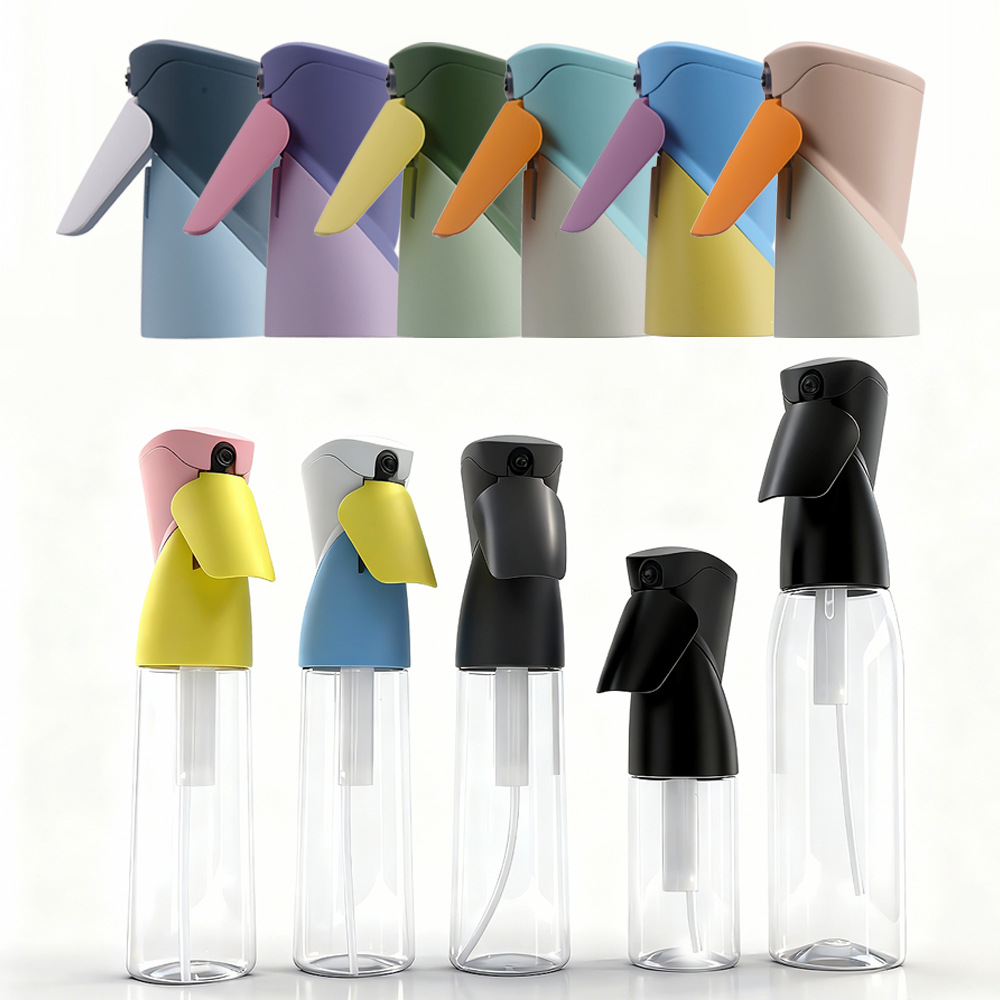
When ordering custom spray bottles from Desikyspray, specify: (1) Plastic type (HDPE/PET/PP), (2) Virgin or PCR (post-consumer recycled) content, (3) Food-grade or cosmetic-grade requirements, (4) Color masterbatch (or natural/clear), (5) UV stabilizer requirements if outdoor use. We can provide material datasheets and REACH/FDA compliance documentation for every plastic grade.
FAQ
Which plastic is best for spray bottles that hold essential oils?
PP (polypropylene) is the best choice. It has the broadest chemical resistance and resists stress cracking from pure essential oils, which can attack PET. HDPE also works well but is less transparent, which may be a disadvantage for cosmetic products.
Can I use recycled plastic for spray bottles?
Yes. All three plastics can include PCR (post-consumer recycled) content: HDPE 25-100%, PET 30-100%, PP 25-50%. PCR content reduces virgin plastic use but may slightly affect clarity and may require food-contact re-certification depending on your market.
Why are most household spray bottles made of HDPE?
Three reasons: chemical resistance (bleach, ammonia, solvents), impact resistance (they get dropped), and cost (HDPE is the most economical per unit for high-volume production). The trade-off is translucency — you cannot see the liquid level as clearly as with PET.
Related Articles: Spray Bottle Size Guide · Best Spray Bottle · Continuous vs Trigger Spray Comparison · Sustainable & Recycled Spray Bottles
![Top 10 Spray Bottle Manufacturers in China [2026 Verified Factory List]](/images/blog/top-spray-manufacturers.jpg)

![Best Spray Bottle for Every Use: Buyer's Guide by Application [2026]](/images/blog/best-spray-bottle-guide.jpg)