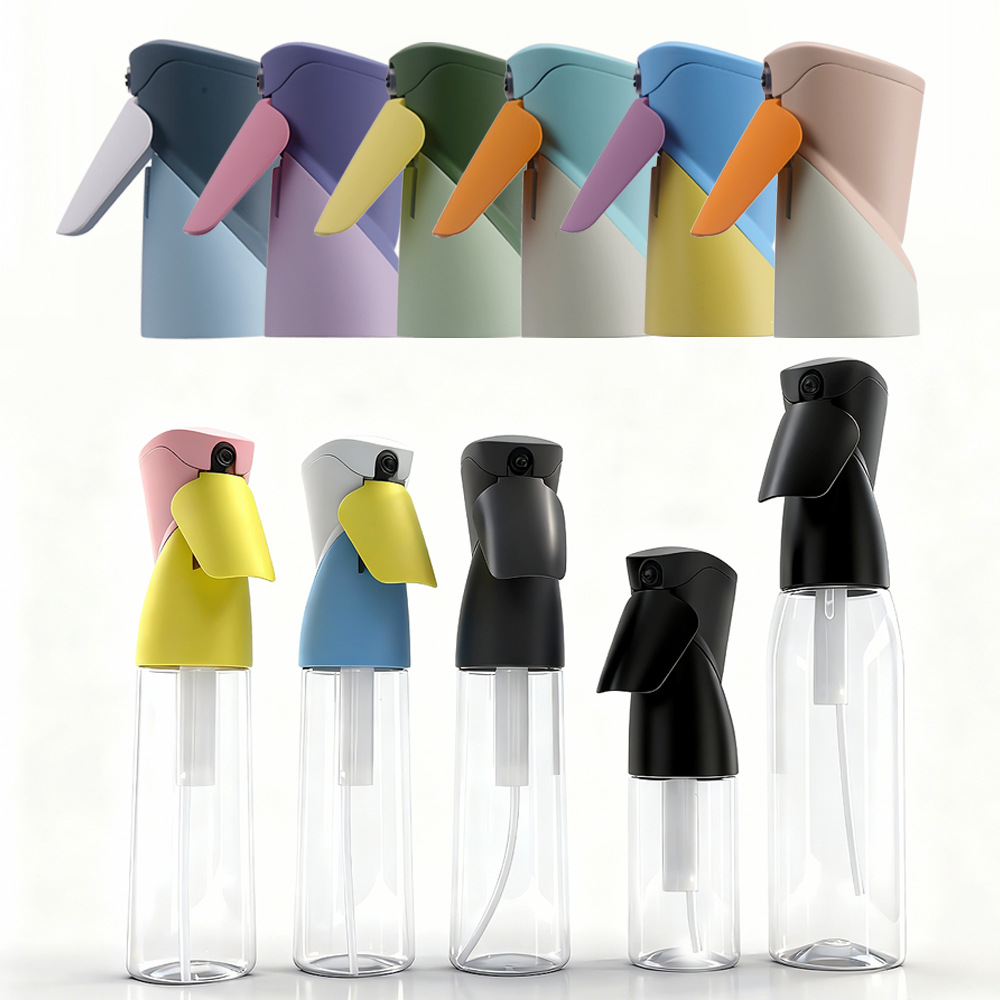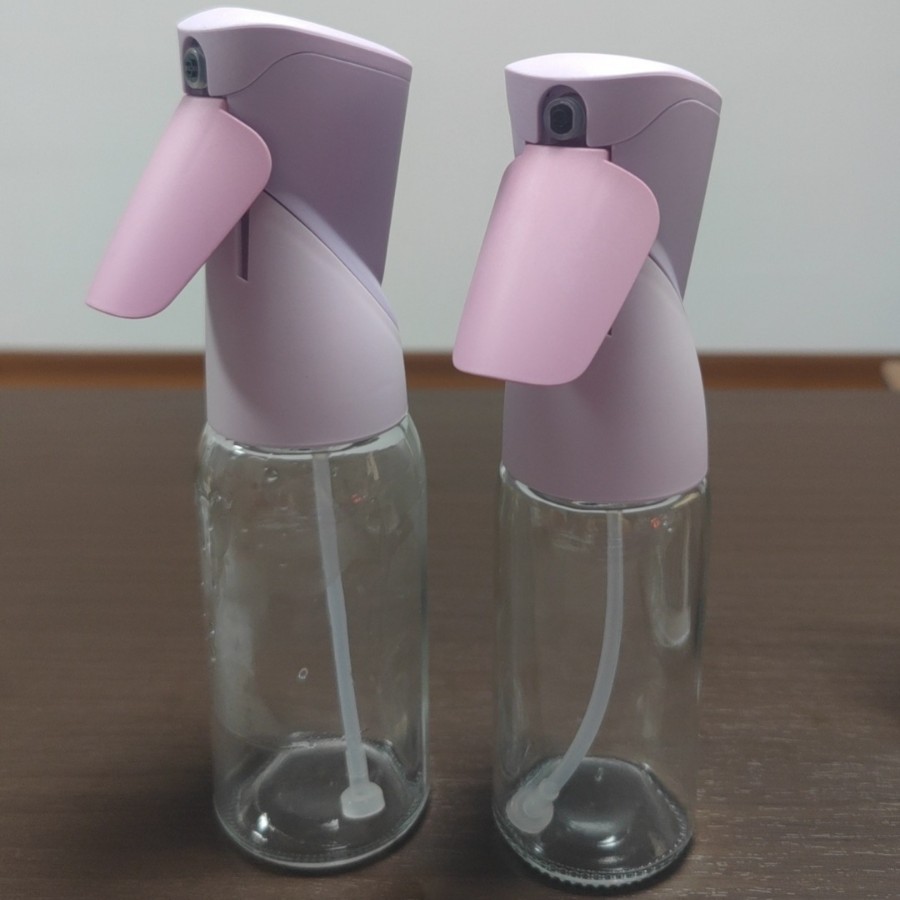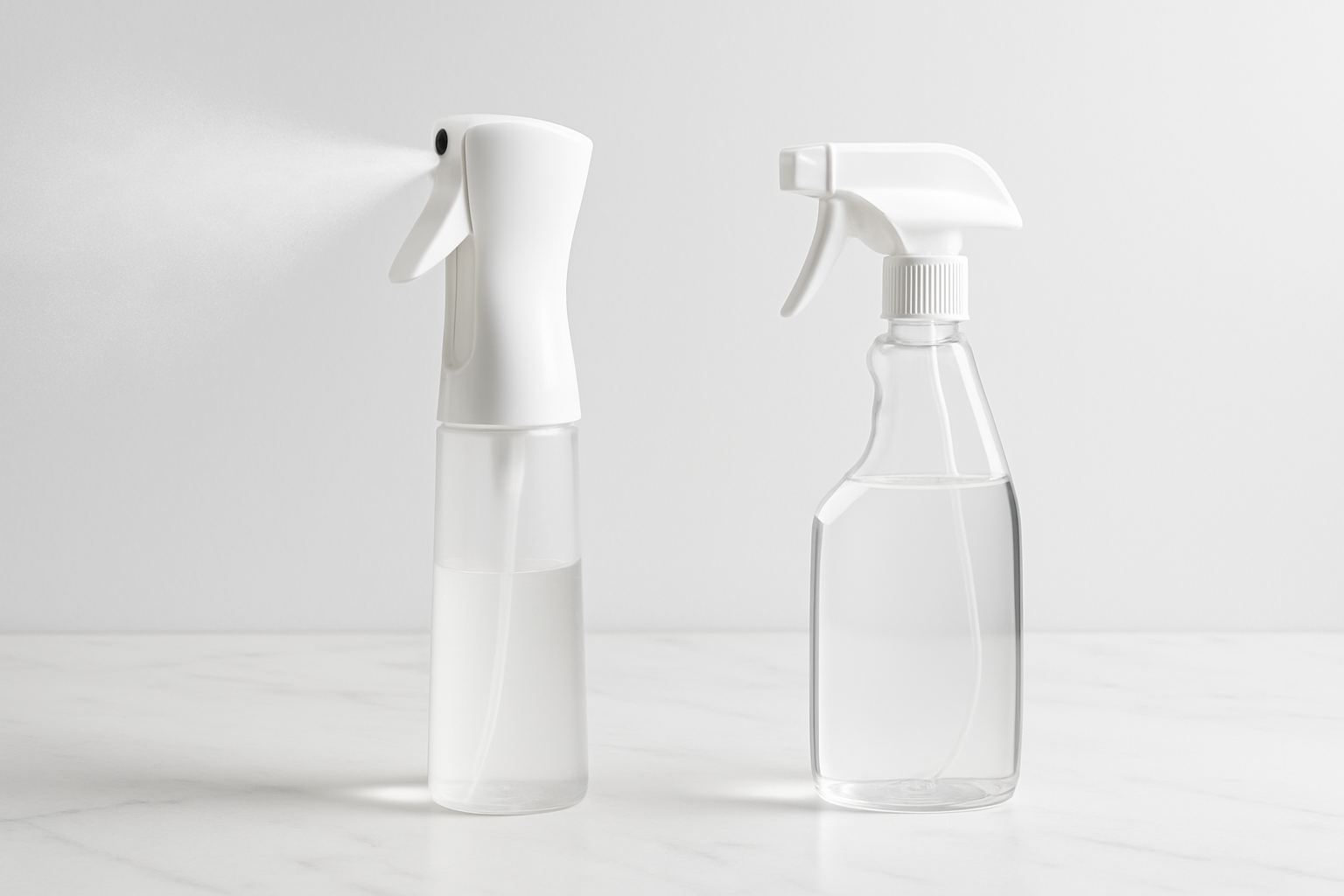
If you are developing a spray bottle product — whether for cleaning, beauty, cooking, or gardening — one of the most fundamental decisions you face is the spray mechanism: continuous spray or trigger spray. These two technologies serve different purposes, create different user experiences, and appeal to different consumer segments. Choosing the wrong one can limit your product's appeal, create user frustration, or add unnecessary cost.
This guide provides a thorough, technical comparison of continuous spray and trigger spray bottles. We cover the mechanics of each system, the performance differences that matter to end users, the cost implications for brands and importers, and the consumer preference trends shaping the market in 2026. By the end, you will know exactly which technology is right for your specific application.
Key Takeaways
- Continuous spray bottles deliver an aerosol-like fine mist without propellant gas — ideal for beauty, cooking oil, and plant care applications.
- Trigger spray bottles deliver higher volume output with adjustable patterns — ideal for cleaning, gardening, and automotive care.
- Continuous spray mechanisms cost 2-3x more per unit than trigger sprayers, but command higher retail prices.
- Consumer preference is shifting toward continuous spray for personal care and home use, driven by aerosol replacement trends and sustainability messaging.
- Many brands carry both types to serve different use cases within the same product line.
How Each Technology Works
Continuous Spray Mechanism
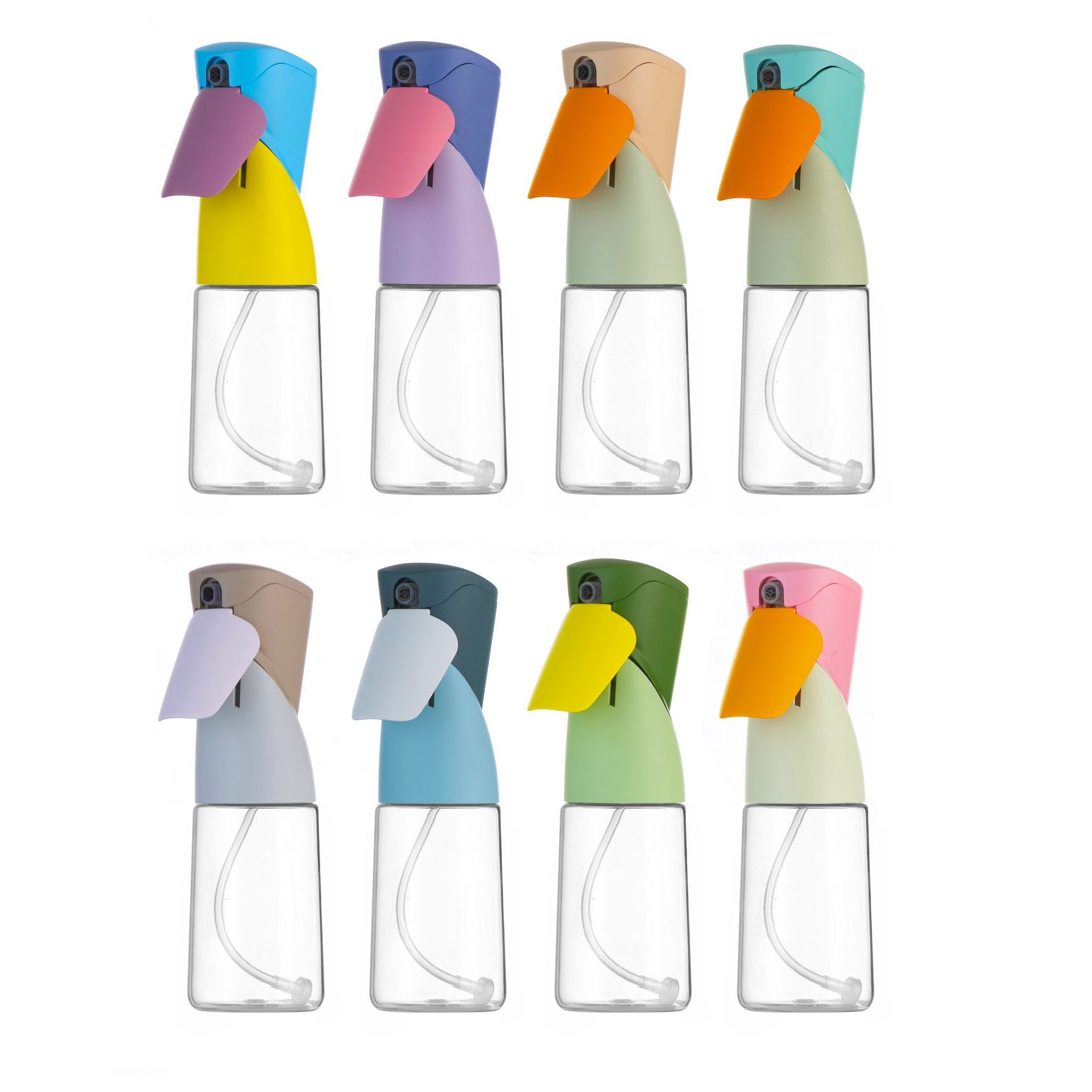
A continuous spray bottle uses a pre-compression pump system with an internal pressure chamber. When the user pumps the actuator, liquid is compressed into a sealed chamber. Upon release, the stored pressure drives the liquid through a precision nozzle as a fine, continuous mist — typically lasting 3-5 seconds per pump stroke. The result is an aerosol-like spray experience without any propellant gas (no butane, no dimethyl ether, no compressed air).
Key engineering elements:
- Pre-compression chamber: Stores pressurized liquid between pump strokes. Higher-quality mechanisms use dual-chamber designs for more consistent pressure delivery.
- Precision nozzle: Orifice diameter typically 0.2-0.4mm, creating droplets in the 20-50 micron range (comparable to aerosol sprays).
- Check valves: One-way valves that maintain pressure and prevent liquid from flowing back. The quality of these valves determines the mechanism's longevity.
- 360-degree dip tube: In advanced designs, a weighted or flexible dip tube allows the bottle to spray at any angle, including inverted. This is a critical feature for cooking oil sprayers and hair products.
Trigger Spray Mechanism
A trigger spray bottle uses a piston-and-cylinder pump driven by a lever (the trigger). Each squeeze of the trigger pushes the piston forward, compressing liquid and forcing it through the nozzle. When the trigger is released, a spring returns the piston to its resting position, and the resulting vacuum draws fresh liquid from the bottle through the dip tube.
Key engineering elements:
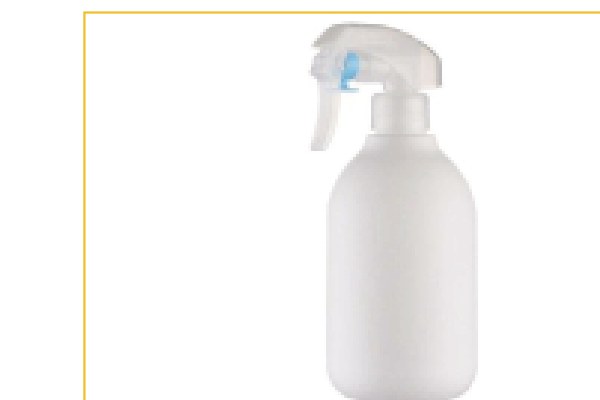
- Piston and cylinder: The displacement volume (typically 0.8-1.2ml) determines the output per stroke. Larger pistons deliver more liquid per squeeze.
- Return spring: Metal coil spring that restores the piston. Spring tension affects trigger feel — too soft feels flimsy, too hard causes hand fatigue.
- Adjustable nozzle: Most trigger sprayers offer multiple spray patterns by rotating the nozzle: off (locked) / stream / spray / mist. This versatility is a key advantage.
- Gaskets and seals: O-rings and cup seals that maintain the vacuum and prevent air leaks. These are the most common failure point in trigger sprayers.
Performance Comparison
| Feature | Continuous Spray | Trigger Spray |
|---|---|---|
| Spray type | Continuous fine mist (3-5 sec) | Single burst per squeeze |
| Droplet size | 20-50 microns (ultra-fine) | 100-300 microns (coarser) |
| Output per activation | 0.5-1.5ml per pump cycle | 0.8-1.2ml per squeeze |
| Coverage evenness | Excellent — uniform mist | Good — varies with nozzle setting |
| 360-degree spraying | Yes (advanced models) | No — requires bottle upright or angled |
| Hand fatigue | Low — few pumps cover large areas | Higher — one squeeze per burst |
| Pattern adjustability | Fixed mist (most models) | Adjustable: stream/spray/mist |
| Volume delivery rate | Lower — designed for light coating | Higher — designed for thorough wetting |
| Mechanism lifespan | 10,000-20,000+ cycles | 5,000-15,000 cycles |
| Priming requirement | 10-30 pumps initially | 2-5 pumps initially |
Use Case Analysis: Which Is Better for Each Application?
Cleaning Products
Winner: Trigger spray.
Cleaning requires high-volume liquid delivery to wet surfaces for effective cleaning action. A trigger sprayer delivers 0.8-1.2ml per squeeze directly onto the target surface, with adjustable patterns (stream for targeted application, spray for broad coverage). Continuous spray's ultra-fine mist disperses too widely and delivers too little liquid for effective cleaning — you would need dozens of pump cycles to equal what a few trigger squeezes accomplish.
Exception: Stainless steel polish, screen cleaners, and light-duty surface sanitizers work well with continuous spray because they require only a thin, even coating.
Cooking Oil Application
Winner: Continuous spray.
Cooking oil sprayers need to deliver an ultra-thin, even coating of oil on pans, food, and air fryer baskets. Continuous spray excels here — the fine mist (20-50 microns) provides even coverage without pooling, and 360-degree capability lets you spray upside-down into baking pans. Trigger sprayers deliver too much oil per squeeze and create uneven, heavy coating. The continuous spray also eliminates the need for commercial aerosol cooking sprays, avoiding propellant chemicals and providing a healthier, more economical alternative.
Hair Styling and Beauty
Winner: Continuous spray.
Hair stylists and beauty professionals need ultra-fine, even mist for water application (dampening hair), heat protectant spray, and setting spray. Continuous spray delivers salon-quality mist distribution that coats hair evenly without over-wetting any single area. The continuous mist also allows the stylist to work efficiently — one pump produces 3-5 seconds of continuous spray, covering a large section of hair without repeated squeezing. Trigger sprayers produce coarser droplets that can leave hair unevenly wet.
Plant Care and Gardening
Winner: Both — depends on scale.
For indoor plants, seedlings, and delicate foliage, continuous spray is superior — the ultra-fine mist moistens leaves gently without knocking off soil or damaging delicate stems. For outdoor garden applications requiring pesticide or fertilizer application, trigger sprayers deliver the volume and range needed for effective coverage. For large areas, neither handheld type is sufficient — a pressure pump sprayer (1-5L capacity) is the right tool.
Skincare and Facial Mists
Winner: Continuous spray (or fine mist pump).
Facial mists require the finest possible droplet size for comfortable skin contact without heavy wetness. Continuous spray mechanisms produce 20-50 micron droplets — approaching the quality of professional treatment mists. The continuous delivery also creates a "spa-like" experience that consumers associate with premium products. Standard trigger sprayers are too coarse for facial application.
Automotive Detailing
Winner: Trigger spray.
Automotive detailing requires high-volume product application (tire cleaner, dashboard protectant, glass cleaner) with the ability to switch between stream mode (for targeted application in tight spaces) and spray mode (for broad surface coverage). Trigger sprayers' adjustable nozzle and high-volume output make them the standard in this category.
Cost Analysis for Brands and Importers
Unit Cost Comparison (FOB China)
| Component | Continuous Spray (300ml PET) | Trigger Spray (500ml HDPE) |
|---|---|---|
| Bottle | $0.12-$0.20 | $0.10-$0.18 |
| Spray mechanism | $0.25-$0.50 | $0.08-$0.15 |
| Dip tube & assembly | $0.03-$0.05 | $0.02-$0.04 |
| Printing (1-color screen) | $0.03-$0.05 | $0.03-$0.05 |
| Total per unit | $0.43-$0.80 | $0.23-$0.42 |
Continuous spray bottles cost approximately 2-3x more than trigger spray bottles at the same order volume. The spray mechanism itself accounts for most of this difference — continuous spray mechanisms require precision machining, multiple check valves, and tighter tolerances than the relatively simple piston-and-spring design of trigger sprayers.
Retail Price Positioning
Despite the higher manufacturing cost, continuous spray bottles support higher retail prices:
- Continuous spray (empty bottle for refill): Retail $8-$20 depending on brand positioning, material (PET vs Tritan vs glass), and capacity.
- Trigger spray (empty bottle for refill): Retail $3-$10.
- Continuous spray (filled product — e.g., cooking oil sprayer, beauty mist): Retail $12-$35.
- Trigger spray (filled product — e.g., cleaning spray): Retail $3-$12.
The margin percentage on continuous spray products is typically higher, making them attractive for brands seeking premium positioning.
Consumer Preference Trends in 2026
The Aerosol Replacement Wave
Environmental regulations and consumer awareness are driving a global shift away from aerosol spray cans toward non-aerosol alternatives. The EU's F-gas Regulation, the Kigali Amendment (phasing down HFCs), and growing consumer preference for "propellant-free" products are creating strong tailwinds for continuous spray bottle technology. Categories most affected:
- Cooking oil sprays: Moving from aerosol cans (PAM, etc.) to refillable continuous spray bottles.
- Sunscreen: Consumer preference shifting from aerosol to pump spray, with continuous spray offering the best user experience.
- Hair products: Dry shampoo and styling sprays transitioning from aerosol to continuous spray.
- Cleaning products: Some categories (glass cleaner, air freshener) experimenting with continuous spray for premium positioning.
The Sustainability Factor
Continuous spray bottles are refillable — consumers buy one bottle and refill it hundreds of times. This reusability message resonates strongly with environmentally conscious consumers. Brands that position continuous spray as "the sustainable alternative to single-use aerosol cans" tap into a powerful consumer motivation.
Social Media and Viral Products
Continuous spray bottles have become viral products on TikTok, Instagram, and YouTube, particularly in cooking (oil sprayer videos), beauty (hair mist videos), and plant care (misting videos). The visual appeal of a continuous, fine mist is inherently shareable — it looks satisfying on camera. This social media tailwind has accelerated consumer adoption and brand interest.
Making the Right Choice: Decision Framework
Use this framework to determine which spray type fits your product:
| Choose Continuous Spray If... | Choose Trigger Spray If... |
|---|---|
| Your product requires thin, even coating | Your product requires heavy, targeted application |
| Your target consumer values premium experience | Your target consumer values practicality and price |
| You want aerosol-replacement positioning | You want utility/value positioning |
| 360-degree spraying is needed | Adjustable spray patterns are needed |
| You sell beauty, cooking, or plant care products | You sell cleaning, garden, or automotive products |
| Higher retail price point is acceptable | Competitive pricing is essential |
| Lower volume per application is desired | Higher volume per application is desired |
The Hybrid Approach: Why Not Both?
Many successful brands offer both spray types within the same product line. For example:
- A cleaning brand offers trigger spray for kitchen degreaser and bathroom cleaner (high-volume application) plus continuous spray for stainless steel polish and glass cleaner (thin, even coating).
- A beauty brand offers trigger spray for volumizing hair spray (needs adjustment between mist and stream) plus continuous spray for setting mist and heat protectant (needs ultra-fine, even distribution).
- A garden brand offers trigger spray for pesticide application plus continuous spray for delicate plant misting.
Carrying both types expands your addressable market and demonstrates product depth.
Frequently Asked Questions
Why is my continuous spray bottle not working?
The most common reasons a continuous spray bottle stops working: (1) Insufficient priming — new bottles need 20-30 pump strokes to build initial pressure. Keep pumping until continuous mist appears. (2) Wrong fill level — continuous spray bottles work best when filled to 30-80% capacity. Too full leaves insufficient air space for pressure building; too empty lacks enough liquid to reach the dip tube. (3) Clogged nozzle — dried residue can block the precision nozzle orifice. Soak the nozzle in warm water for 10 minutes, then test with plain water. (4) Damaged check valve — if the bottle sprays initially but loses pressure quickly, an internal check valve may be worn. This typically happens after 15,000+ spray cycles. See our detailed spray bottle troubleshooting guide for step-by-step fixes.
Are continuous spray bottles better than aerosol cans?
For most consumer applications, yes. Continuous spray bottles offer several advantages over aerosol cans: (1) No propellant chemicals — aerosol cans use butane, propane, dimethyl ether, or compressed gas as propellants. Continuous spray uses only mechanical pressure. (2) Refillable — one continuous spray bottle replaces dozens of single-use aerosol cans over its lifetime. (3) Cost-effective — the refill cost is a fraction of buying a new aerosol can. (4) Safer — no flammable propellant, no pressurized container explosion risk. The trade-off is that continuous spray bottles require manual pumping (effort), have a learning curve (priming), and produce slightly less consistent spray pressure compared to aerosol cans. For professional applications requiring very high spray volumes (automotive paint, industrial coatings), aerosol or HVLP spray systems remain superior.
How long do spray bottle mechanisms last?
Mechanism lifespan depends on quality tier and usage frequency. Premium continuous spray mechanisms are rated for 20,000+ spray cycles — if used 5 times per day, that is over 10 years. Standard continuous spray mechanisms last 10,000-15,000 cycles. Trigger spray mechanisms typically last 5,000-15,000 cycles depending on build quality, with the spring being the most common failure point. For brands, mechanism longevity is a key quality differentiator — always request spray count test data from your manufacturer. Mechanisms that fail prematurely generate customer complaints and returns that far exceed the cost savings from using a cheaper component.
Can I use the same bottle for both continuous spray and trigger spray?
Not directly. Continuous spray and trigger spray mechanisms are completely different systems with different physical designs, mounting methods, and neck finishes. However, if the bottle and sprayer share the same neck finish (e.g., 28/410), you can physically mount either type of sprayer on the same bottle body. The practical issue is that bottles designed for continuous spray are typically smaller (200-500ml) with specific proportions for comfortable pump action, while trigger spray bottles are usually larger (500ml-1L) with ergonomic shapes designed for trigger grip. Designing a bottle body that works well with both spray types is possible but requires intentional engineering. Most brands choose one mechanism per product and optimize the bottle design accordingly.
What is the best spray bottle for an oil sprayer?
For cooking oil application, a continuous spray bottle is the clear winner. Key specifications to look for: (1) Material — glass or food-grade PP/PETG (not PET, which can be attacked by oil over time). (2) 360-degree spraying — essential for spraying into pans, onto food, and into air fryer baskets at any angle. (3) Ultra-fine mist — droplet size below 50 microns for thin, even oil coating. (4) Easy-clean nozzle — oil residue clogs nozzles quickly, so the nozzle should be removable for cleaning. (5) BPA-free and FDA-compliant materials — critical for food contact. (6) Capacity — 200-300ml is ideal for kitchen use. Desiky's glass oil sprayer with continuous spray mechanism checks all these boxes and has become one of the top-selling products in this category.
Explore Your Options
Browse Desiky's continuous spray bottle collection to see the technology in action, or compare with our trigger spray options. For wholesale and OEM inquiries, contact our team for samples and pricing.
Related guides: How to Fix a Spray Bottle | Spray Bottle Size Guide | How to Choose a Spray Bottle Supplier