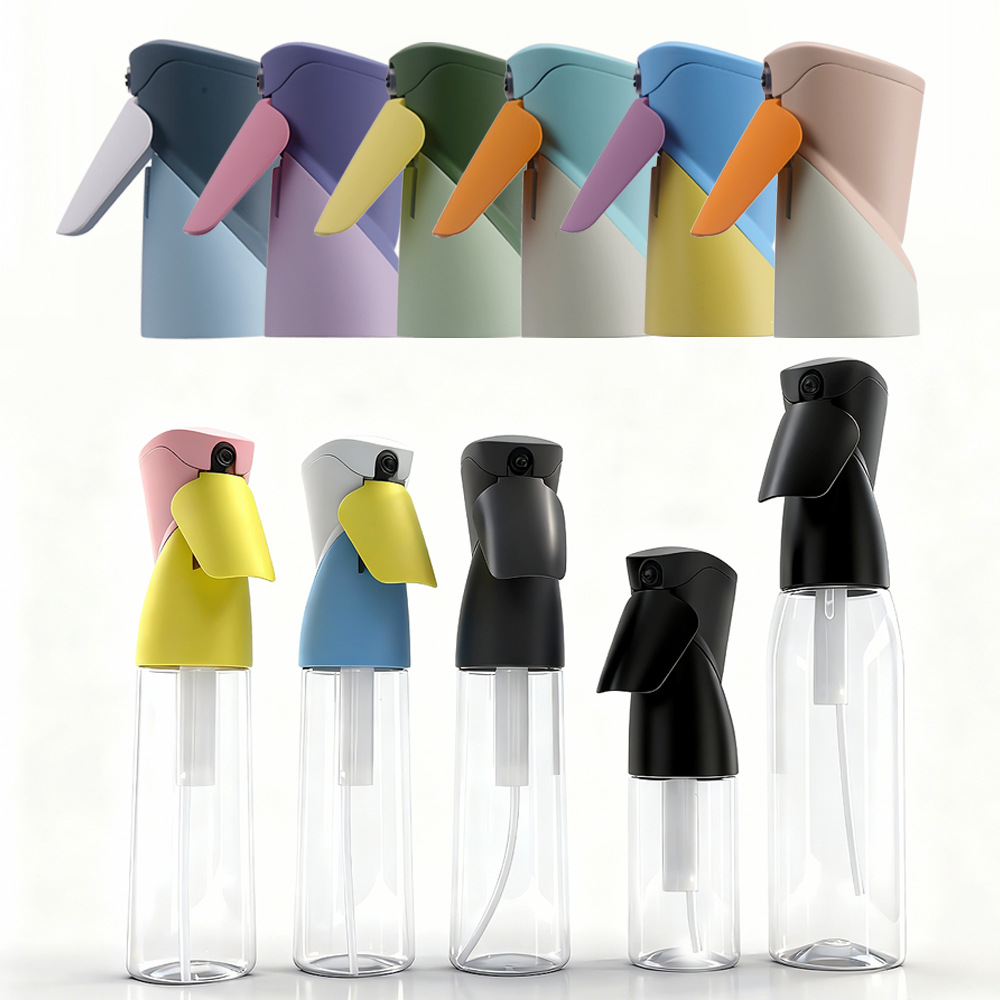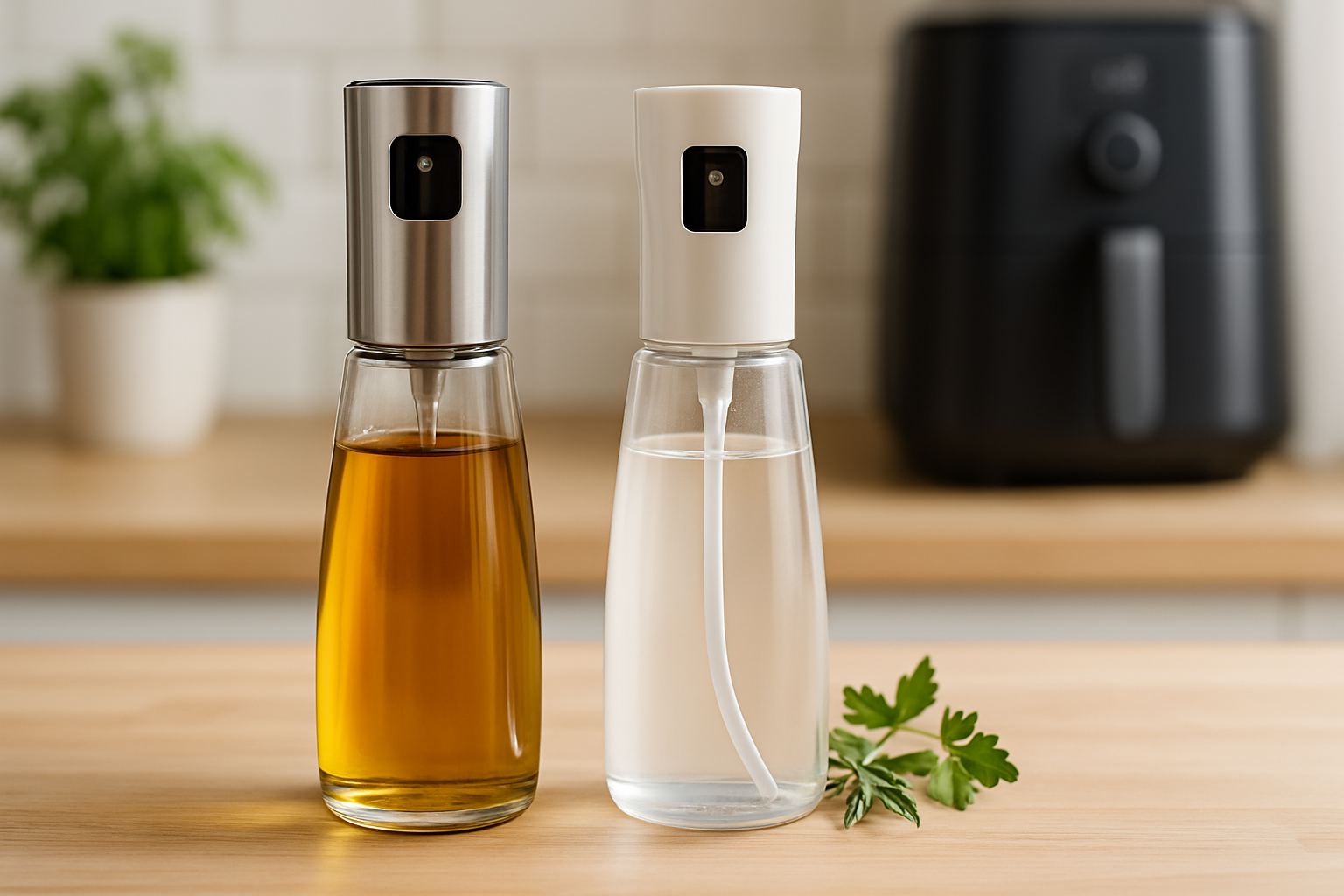
The humble kitchen oil sprayer has become an essential tool for health-conscious cooks, air fryer enthusiasts, and anyone who wants precise, even oil application without the waste of pouring or the chemicals in commercial aerosol sprays. But when it comes to choosing an oil sprayer, one question dominates: glass or plastic?
It is not a trivial decision. The material your oil sprayer is made from affects taste, durability, health safety, aesthetics, and long-term performance. In this guide, we break down the glass vs. plastic oil sprayer debate with specific, data-driven comparisons so you can make an informed choice — whether you are buying for your own kitchen, sourcing for a retail brand, or selecting for a hospitality business.
Key Takeaways
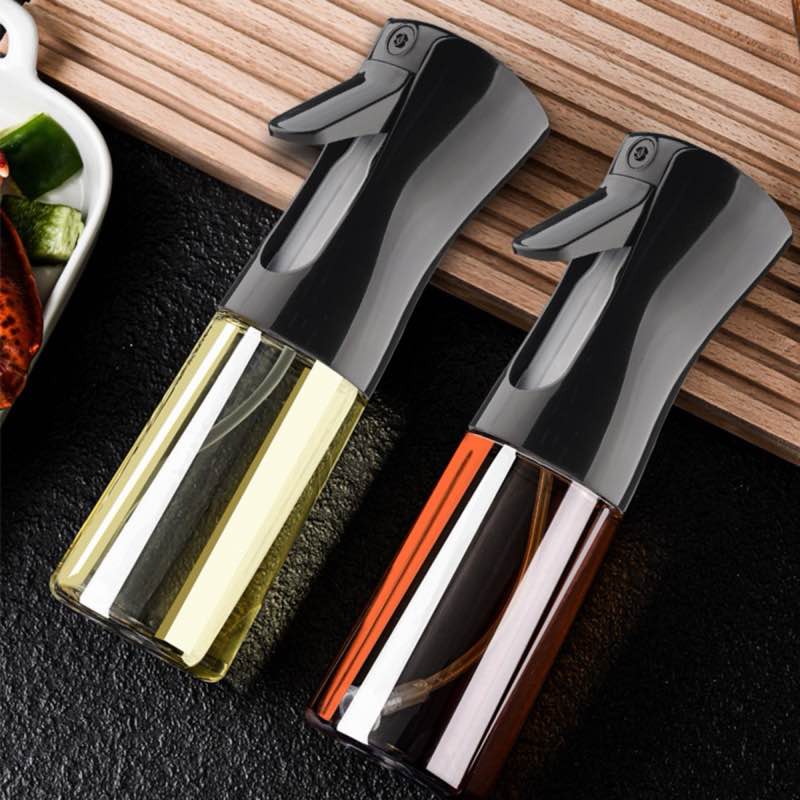
- Glass oil sprayers are superior for taste preservation, health safety, and premium aesthetics — ideal for olive oil, flavored oils, and vinegar.
- Plastic oil sprayers are lighter, more durable against drops, and less expensive — suitable for casual use and budget-conscious buyers.
- Glass is 100% non-reactive and will never leach chemicals into oil, even with acidic liquids like vinegar or citrus-infused oils.
- Quality glass sprayers with protective silicone sleeves effectively mitigate the breakage risk.
- For B2B buyers, glass oil sprayers command 30-50% higher retail prices and have stronger perceived value.
Why the Material Matters for Oil Sprayers
Oil sprayers are different from regular spray bottles in one critical way: they hold fats and oils that can interact with container materials over time. Cooking oils — especially extra virgin olive oil, flavored oils, and nut oils — contain compounds that can leach chemicals from certain plastics, absorb odors, and degrade in the presence of light. The container material directly influences how your oil tastes, how safe it is, and how long it stays fresh.
This is why professional chefs and food scientists consistently recommend glass for oil storage. But glass is not without drawbacks, and modern food-grade plastics have improved significantly. Let us compare them honestly.
Glass vs Plastic Oil Sprayer: Full Comparison
| Factor | Glass Oil Sprayer | Plastic Oil Sprayer |
|---|---|---|
| Taste Preservation | Excellent — 100% non-reactive, no flavor transfer | Good — food-grade plastics are safe, but may absorb flavors over time |
| Chemical Safety | No leaching risk — glass is chemically inert | Safe when BPA-free, but may leach trace compounds at high temperatures |
| Durability | Fragile — can shatter if dropped on hard surfaces | Highly durable — resists drops, impacts, and temperature changes |
| Weight | Heavier (150-250g empty for 200-300ml) | Lighter (50-100g empty for 200-300ml) |
| UV Protection | Amber/dark glass blocks UV; clear glass does not | Opaque plastic blocks all light; clear plastic does not |
| Aesthetics | Premium look — visible oil level, elegant on countertop | Functional — less visual appeal for kitchen display |
| Cleaning | Easy — non-porous, dishwasher safe, no staining | Can stain and retain odors over time, harder to fully clean |
| Environmental Impact | 100% recyclable, infinitely reusable | Recyclable but less commonly recycled; degrades over time |
| Cost | Higher unit cost (30-50% premium) | Lower unit cost |
| Retail Perception | Premium, artisanal, health-conscious | Budget-friendly, practical, everyday use |
Taste and Flavor Preservation
This is where glass wins decisively. Glass is 100% non-reactive and non-porous. It does not absorb flavors, does not release chemicals, and will not alter the taste of your oil in any way — even after months of contact. When you put extra virgin olive oil in a glass sprayer, it tastes exactly the same coming out as it did going in.
Plastic, even food-grade BPA-free plastic, is slightly porous at the molecular level. Over time, oils can seep into the surface of the plastic, and the plastic can impart subtle flavors. This effect is more pronounced with:
- Flavored oils: Garlic oil, chili oil, truffle oil, and herb-infused oils have strong aromatic compounds that plastic tends to absorb. Once absorbed, these flavors linger even after thorough washing, which means your olive oil sprayer starts to taste faintly of the chili oil you used in it last month.
- Acidic liquids: Vinegar, citrus-infused oils, and balsamic reductions are more aggressive on plastic surfaces and can accelerate flavor transfer.
- Extended storage: If you refill your oil sprayer weekly and use it daily, the flavor impact is minimal. But if oil sits in a plastic container for weeks or months, the interaction has more time to develop.
For casual daily cooking with neutral oils (canola, vegetable), the flavor difference is negligible. But for premium oils where taste matters — extra virgin olive oil, avocado oil, sesame oil — glass is the unambiguous choice.
Health and Chemical Safety
Glass: Zero Risk
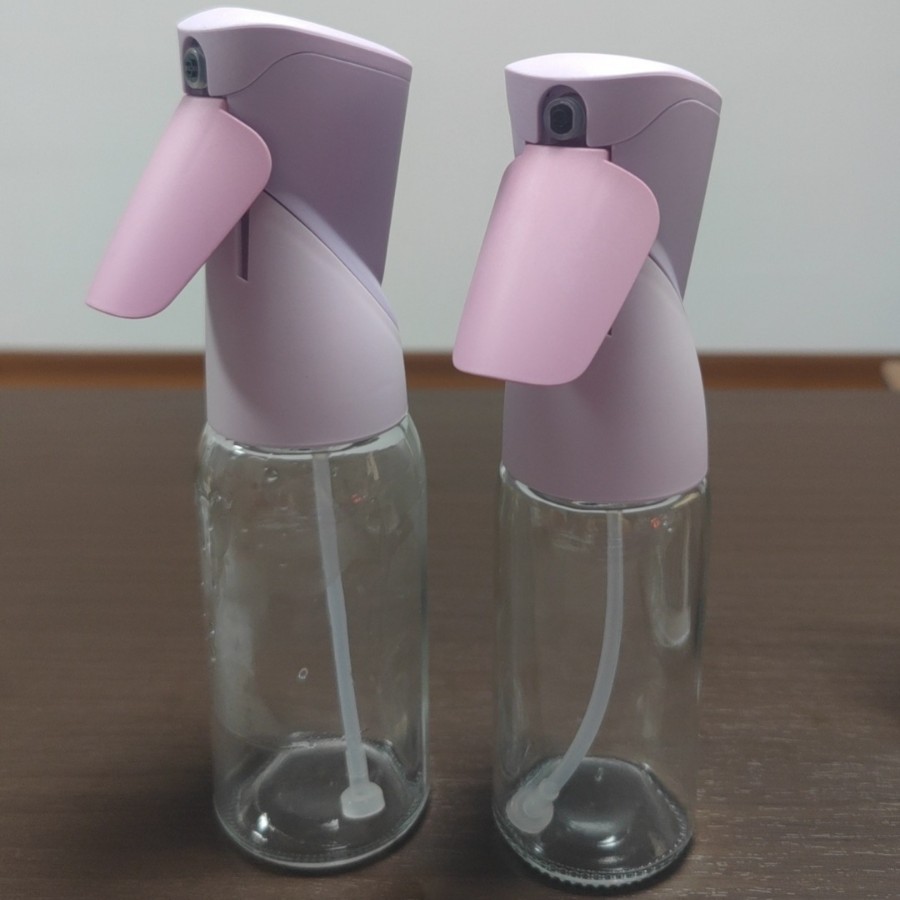
Glass is made from natural materials (silica sand, soda ash, limestone) and is completely chemically inert. No chemicals can leach from glass into your food under any normal kitchen conditions. This is why pharmaceutical companies store medicines in glass, and why wine, spirits, and premium beverages use glass exclusively. There is simply no healthier container material.
Plastic: Safe With Caveats
Modern food-grade plastics (PP, PE, PET) that are BPA-free are considered safe by the FDA and international food safety authorities. For normal kitchen use at room temperature, the health risk from these plastics is negligible.
However, concerns emerge in specific situations:
- Heat exposure: Leaving a plastic oil sprayer near a hot stove, in direct sunlight, or in a dishwasher's high-heat cycle can increase the rate of chemical migration from plastic to oil. Oils are particularly effective at extracting compounds from plastics because they are lipophilic (fat-loving) solvents.
- Acidic contents: Vinegar and citrus-infused oils are more acidic and can accelerate chemical interactions with plastic surfaces.
- Age and wear: Scratched, discolored, or aged plastic has a larger surface area and may release more compounds than new plastic.
To be clear: food-grade BPA-free plastic oil sprayers are safe for normal use. But if minimizing chemical exposure is a priority for you — and for a growing number of health-conscious consumers, it is — glass eliminates the question entirely.
Durability: The Glass Dilemma
This is the one area where plastic is clearly superior. A plastic oil sprayer can survive drops onto tile floors, bumps against countertop edges, and the general rough handling of a busy kitchen. A glass oil sprayer can shatter.
However, modern glass oil sprayer designs have largely mitigated this concern:
- Borosilicate glass: Many premium oil sprayers (including Desiky's glass oil sprayer collection) use borosilicate glass, which is significantly more resistant to thermal shock and impacts than standard soda-lime glass. Borosilicate glass is the same material used in laboratory equipment and premium cookware (like Pyrex).
- Protective silicone sleeves: Many glass sprayers include a silicone sleeve that absorbs impact energy and provides grip. With a sleeve, a glass sprayer can survive drops from counter height onto most kitchen floors.
- Compact sizes: Oil sprayers are typically 200-300ml — small and light enough that the impact force from a counter-height drop is well within the tolerance of quality glass construction.
The bottom line: if you are using your oil sprayer in a controlled kitchen environment (not a construction site), a quality glass sprayer with a protective sleeve is plenty durable for daily use. The risk of breakage is real but manageable with reasonable care.
Aesthetics and Kitchen Display
In today's kitchen design culture — driven by social media, open-plan living, and the "kitchen as showpiece" trend — aesthetics matter. Countertop items are part of the visual landscape, and an oil sprayer sits on the counter daily.
Glass oil sprayers have an undeniable visual advantage:
- The golden color of olive oil visible through clear glass is visually appealing and communicates quality.
- Glass catches light and looks elegant on countertops, in kitchen photos, and in product imagery.
- The visible oil level serves a practical function — you always know when it is time to refill.
- Glass communicates "premium" and "artisanal" — important for retail branding and gift packaging.
Plastic sprayers, regardless of quality, tend to look more utilitarian. They are functional and practical, but they do not enhance a kitchen's visual appeal. For retail brands positioning products in the premium or lifestyle segment, glass packaging commands higher prices and stronger consumer appeal.
Cleaning and Maintenance
Glass is non-porous and non-absorbent, which means:
- Oil residue washes off completely with warm soapy water.
- No staining — glass will not yellow or discolor from turmeric-infused oils, chili oils, or other pigmented liquids.
- No odor retention — glass does not absorb or release smells.
- Dishwasher safe (for the glass body; spray heads should typically be hand-washed).
Plastic oil sprayers, over time, can develop a thin oil film that resists normal washing. This film traps odors and can become rancid if the sprayer is not cleaned thoroughly and regularly. Plastic is also prone to staining from pigmented oils — once a plastic sprayer turns yellow from turmeric oil, that discoloration is permanent.
Environmental Considerations
For environmentally conscious consumers and brands, glass has a significant advantage:
- Glass is 100% recyclable and can be recycled indefinitely without loss of quality or purity. A recycled glass bottle is identical in performance to a new one.
- Glass is made from abundant natural materials — silica sand is one of the most abundant resources on Earth.
- Glass is reusable — a quality glass oil sprayer can be used for years, then recycled completely.
Plastic recycling, while improving, remains less efficient. Many plastic types are downcycled (turned into lower-quality products) rather than truly recycled, and a significant portion of plastic waste ends up in landfills or oceans. For brands building an eco-friendly image, glass packaging aligns more naturally with sustainability messaging.
Cost Analysis
Unit Cost
Glass oil sprayers typically cost 30-50% more per unit than comparable plastic sprayers. This premium reflects the higher material cost, more complex manufacturing process, and additional shipping weight.
Shipping and Logistics
Glass is heavier and requires more protective packaging for shipping. A 300ml glass oil sprayer weighs roughly 150-200g more than a plastic equivalent, and requires individual cushioning to prevent breakage during transit. For B2B buyers, this increases per-unit shipping costs by approximately 15-25%.
Retail Pricing and Margins
Here is where the equation flips. Glass oil sprayers command significantly higher retail prices than plastic alternatives. Consumers associate glass with premium quality and are willing to pay more for it. In the oil sprayer category, glass products typically retail for 40-80% more than comparable plastic products — more than offsetting the higher unit cost and shipping expense.
For B2B buyers and brand owners, this means glass oil sprayers often deliver higher absolute margins despite the higher cost of goods. The premium positioning also reduces price sensitivity — consumers shopping for glass kitchen products are less likely to comparison-shop on price alone.
Best Oil Types for Each Material
| Oil Type | Recommended Material | Why |
|---|---|---|
| Extra virgin olive oil | Glass (preferably dark/amber) | Preserves delicate flavor; UV protection prevents oxidation |
| Avocado oil | Glass | High-quality oil benefits from inert container |
| Sesame oil | Glass | Strong flavor easily absorbed by plastic |
| Truffle / flavored oils | Glass only | Expensive oils; flavor preservation is critical |
| Balsamic vinegar | Glass only | Acidic — accelerates plastic interaction |
| Canola / vegetable oil | Either (glass preferred) | Neutral flavor; less sensitive to container material |
| Coconut oil spray | Either | Solidifies at cool temperatures in both materials |
| Cooking spray blends | Either | Commercial blends are formulated for plastic compatibility |
What to Look for in a Quality Oil Sprayer
Regardless of material, a good oil sprayer should have these features:
- Fine mist output: Oil sprayers should produce an even, fine mist — not a stream or large droplets. This ensures even coating with minimal oil usage. Look for spray mechanisms specifically designed for oil viscosity.
- Leak-proof seal: Oil is messy when it leaks. Ensure the sprayer has a reliable seal between the spray head and body. Quality manufacturers test every unit for leaks before shipment.
- Easy refilling: Wide-mouth openings or removable spray heads make refilling (and cleaning) much easier. Narrow openings lead to spills and frustration.
- Appropriate capacity: 200-300ml is ideal for kitchen oil sprayers. Larger bottles mean oil sits longer, increasing the risk of rancidity. Smaller bottles are impractical for daily cooking.
- Food-grade materials: All components — body, spray head, dip tube, seals — must be food-grade certified. This is non-negotiable for any product that contacts food.
Desiky's glass oil sprayer collection checks all these boxes: borosilicate glass body, precision fine-mist spray mechanism, 100% leak-tested, food-grade materials throughout, and available in sizes optimized for kitchen use. For brands looking to source premium oil sprayers, we offer full OEM customization including custom colors, branding, and packaging.
Frequently Asked Questions
Is a glass oil sprayer better than plastic?
For most kitchen applications, yes. Glass is chemically inert (no leaching risk), preserves oil flavor perfectly, does not stain or absorb odors, and is 100% recyclable. The only advantage plastic has is impact resistance and lower weight. For premium oils like extra virgin olive oil, flavored oils, and vinegar, glass is the clear winner.
Are plastic oil sprayers safe?
Food-grade, BPA-free plastic oil sprayers are considered safe by the FDA and international food safety authorities for normal use at room temperature. However, heat exposure (near stoves, in dishwashers), acidic contents (vinegar, citrus oils), and long-term storage can increase the risk of trace chemical migration. If minimizing chemical exposure is important to you, glass eliminates the concern entirely.
Do glass oil sprayers break easily?
Quality glass oil sprayers made from borosilicate glass are more durable than standard glass. They resist thermal shock (important near hot stoves) and moderate impacts. Models with protective silicone sleeves can survive drops from counter height onto most kitchen floors. With reasonable care — which most people naturally apply to glass kitchenware — breakage is uncommon in daily use.
What is the best oil sprayer for olive oil?
A glass oil sprayer with a fine-mist mechanism is the best choice for olive oil. Glass preserves the delicate flavor of extra virgin olive oil without any chemical interaction. Choose amber or dark glass if your sprayer will sit on a countertop exposed to light, as UV rays accelerate olive oil oxidation. A 200-300ml capacity is ideal — small enough to use the oil before it goes rancid.
Can I put vinegar in a plastic spray bottle?
While food-grade plastic spray bottles can technically hold vinegar, glass is strongly recommended for vinegar and acidic liquids. Vinegar's acidity (typically pH 2.4-3.4) can interact with plastic surfaces over time, potentially causing trace chemical migration and flavor changes. Glass is completely resistant to acidic liquids and will not interact with vinegar in any way.
How do I clean an oil sprayer?
For glass sprayers: fill with warm water and a few drops of dish soap, shake vigorously, and rinse thoroughly. The spray head should be soaked in warm soapy water and pumped several times to flush oil from internal passages. Glass bodies are dishwasher safe. For plastic sprayers: follow the same process, but clean more frequently to prevent oil film buildup and odor absorption. Never use boiling water on plastic spray components.
How often should I clean my oil sprayer?
Clean your oil sprayer at least once every two weeks with regular daily use, or whenever you switch oil types. Oil residue left in the spray mechanism can become rancid over time, affecting taste and potentially clogging the nozzle. Glass sprayers are easier to keep clean because oil does not adhere to glass surfaces as readily as plastic.
Conclusion
The glass vs. plastic oil sprayer debate has a clear winner for most kitchen applications: glass. Its chemical inertness, flavor preservation, easy cleaning, premium aesthetics, and environmental friendliness make it the superior choice for anyone who cares about taste, health, and quality. The higher upfront cost is justified by better performance, longer usable life, and — for B2B buyers — significantly higher retail margins.
Plastic oil sprayers remain a reasonable choice for budget-conscious buyers, casual kitchen use with neutral oils, and environments where breakage risk is a genuine concern (outdoor cooking, children's cooking classes, food trucks). But for home kitchens, retail brands, and premium food service, glass is the material that delivers on every front.
Explore Desiky's glass oil sprayer collection — featuring borosilicate glass construction, precision fine-mist mechanisms, and 100% leak-tested quality. Available for OEM customization with your branding. Contact us for samples and wholesale pricing.
Related Articles: Spray Bottle Size Guide · Best Spray Bottle · Continuous vs Trigger Spray Comparison · Cooking Oil Spray Bottle Guide