A foam soap dispenser uses an air-mixing chamber to blend liquid soap and air at a 1:10 ratio, producing instant lather that uses 60% less soap than traditional liquid dispensers. In 2026, over 70% of commercial restrooms have switched to foam — and the reasons go far beyond hand hygiene. Whether you are a facility manager cutting supply costs, a brand owner launching a foaming hand wash, or a B2B buyer sourcing foam pump bottles wholesale, this guide gives you the complete picture.
Below we break down exactly how a foam soap dispenser works (with diagram), compare all 7 types of foaming hand soap dispensers, reveal the ideal soap-to-water ratio, and provide a practical framework for choosing the right foam dispenser for any application — from a single bathroom to a 500-room hotel chain.
Key Takeaways
- Foam dispensers use 2-3x less soap per wash than traditional liquid dispensers — a major cost advantage for high-traffic facilities.
- The secret is an air-mixing chamber inside the foam pump that blends liquid soap with air at a precise ratio, creating instant lather.
- Touchless (automatic) foam dispensers reduce cross-contamination by up to 90% compared to manual push-style dispensers.
- You can make your own foaming hand soap by diluting regular liquid soap at a 1:3 to 1:4 soap-to-water ratio.
- For commercial and B2B buyers, foam pump bottles offer lower per-wash cost, faster hand-wash cycles, and improved user satisfaction.
Introduction: Why Foam Soap Dispensers Are Everywhere
The global shift toward foam soap dispensers is not a coincidence. Public health awareness, sustainability concerns, and simple economics have driven adoption across every sector. In commercial restrooms, foam dispensers can reduce soap consumption by 40-60% compared to traditional liquid dispensers. In healthcare, the instant-lather format encourages more thorough hand washing. At home, families appreciate the playful foam texture that makes children actually want to wash their hands.
The market for foam soap dispensers continues to grow rapidly. According to industry data, the global soap dispenser market is projected to reach $3.5 billion by 2028, with foam dispensers accounting for the fastest-growing segment. This growth is driven by three converging trends: heightened hygiene awareness post-pandemic, sustainability pressures to reduce soap and water waste, and the simple consumer preference for foam over liquid.
But what actually makes a foam dispenser different from a regular pump? How does it create foam from liquid soap? And which type is best for your specific needs? Let us dive in.
How Does a Foam Soap Dispenser Work?
Understanding the mechanism behind a foam soap dispenser helps you appreciate why it performs so differently from a standard liquid pump — and why pump quality matters enormously.
The Air-Mixing Chamber: The Heart of Every Foam Pump
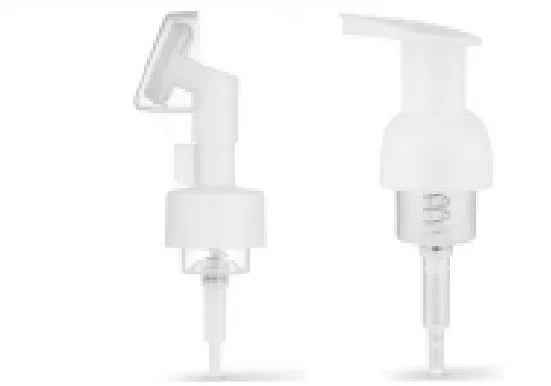
At its core, every foam pump relies on an ingeniously simple principle: forcing liquid soap and air through a mixing chamber simultaneously. Here is the step-by-step process:
- Pump activation: When you press the pump head (or trigger the sensor on an automatic model), a piston moves downward inside the pump cylinder.
- Dual intake: The piston draws liquid soap upward through a dip tube while simultaneously pulling air through a separate air intake port.
- Mixing chamber: The liquid soap and air meet in a small mixing chamber inside the pump mechanism. The soap-to-air ratio is carefully engineered — typically around 1 part soap to 9-10 parts air by volume.
- Mesh screen filtration: The soap-air mixture is then forced through one or more fine mesh screens (usually nylon or stainless steel, with mesh counts between 100-200). These screens break the mixture into thousands of tiny, uniform bubbles.
- Foam output: The result is a dense, creamy foam that dispenses directly onto your hands — fully lathered and ready for washing, with no additional rubbing needed to create a lather.
Why Mesh Quality Matters
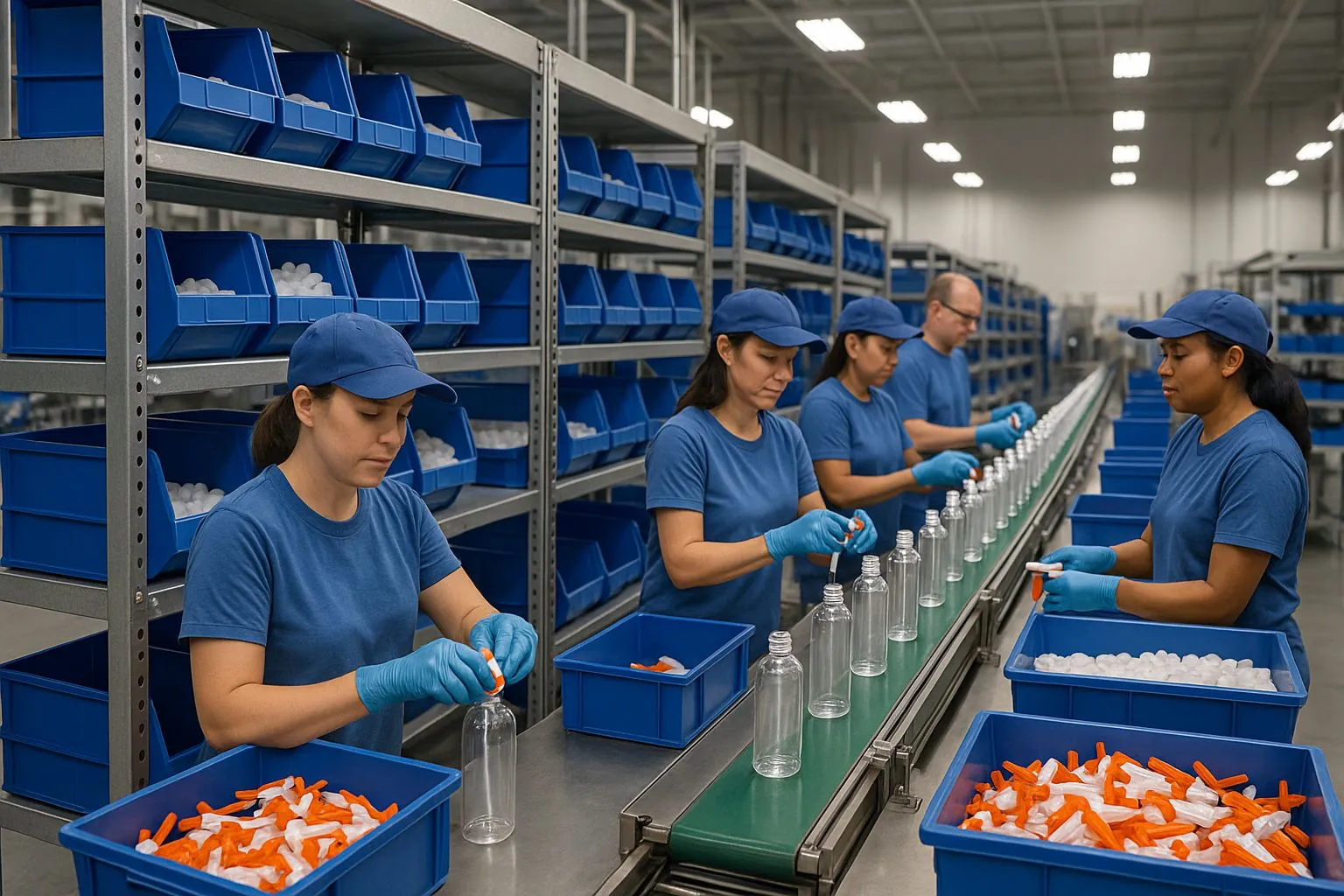
The mesh screens are the most critical component affecting foam quality. Screen grades typically range from 200 to 400 mesh (finer mesh = smoother, denser foam). High-quality foam pump bottles use double-layer mesh screens with precise hole sizes — 10-50 micron pore size depending on the target foam density. Cheap pumps often use single-layer screens with inconsistent hole sizes, resulting in:
- Uneven foam with large bubbles mixed with liquid drips
- Sputtering or spitting instead of smooth foam output
- Rapid deterioration — the mesh clogs or tears within weeks
- Inconsistent dosing from pump to pump
When evaluating foam pump suppliers, always ask about mesh screen specifications: material (nylon vs stainless steel), mesh count, and number of layers. This single component accounts for most of the perceived quality difference between a premium foam dispenser and a cheap one.
Understanding the Air-to-Soap Ratio: Why 10:1 Is the Sweet Spot
The air-to-soap ratio is the single most important design parameter in any foam pump — and it is something most guides never explain. This ratio determines foam density, soap usage per pump, rinse time, and user perception of quality.
In a standard foam pump, the air cylinder is approximately 10 times the volume of the liquid cylinder. When you press down, both pistons compress simultaneously, mixing roughly 10 parts air with 1 part diluted soap solution. Here is how different ratios affect the output:
- 7:1 ratio — Denser, wetter foam. Feels more like a mousse. Uses more soap per pump (~0.8-1.0 mL). Better for luxury cosmetic applications where rich texture matters more than economy.
- 10:1 ratio (standard) — The industry standard for hand soap. Produces light, airy foam that covers both hands in a single pump. Uses ~0.4-0.6 mL of liquid soap. Optimal balance of cleaning power, economy, and user satisfaction.
- 12:1 to 15:1 ratio — Ultra-light, almost dry foam. Maximum soap savings but can feel insubstantial to users. Used in high-volume commercial settings where cost-per-wash is the primary metric.
As a manufacturer, we tune this ratio by adjusting the relative bore diameters of the air and liquid cylinders. A 1 mm change in liquid cylinder bore can shift output by 15-20%. This is why sourcing from a manufacturer who controls their own pump tooling — rather than a trading company assembling third-party components — matters for consistent foam quality. For a deeper look at pump anatomy and how each component affects performance, see our 9-part foam pump anatomy breakdown.
Foam Pump vs Regular Pump: Internal Differences
| Component | Regular Liquid Pump | Foam Pump |
|---|---|---|
| Piston chamber | Single chamber (liquid only) | Dual chamber (liquid + air) |
| Air intake | None or minimal | Dedicated air cylinder with one-way valve |
| Mesh screen | Not present | 1-2 fine mesh screens (100-200 count) |
| Output per pump | 1-2 mL liquid | 0.4-0.8 mL liquid + 4-8 mL air = foam |
| Spring tension | Higher (pushes viscous liquid) | Lower (pushes aerated mixture) |
| Dip tube | Standard diameter | Narrower diameter (less liquid per stroke) |
Looking for a reliable spray bottle supplier?
Get free samples and a factory-direct quote within 12 hours.
Get a Free Quote →Types of Foam Soap Dispensers
Not all foam dispensers are created equal. The market offers several distinct form factors, each optimized for different environments and use cases. Understanding the differences helps you choose the right type for your application. (For a broader overview that includes non-foam options like trigger sprayers and mist pumps, see our complete guide to types of soap dispensers.)
1. Manual Pump Foam Dispensers (Countertop)
The most common type for home use, manual pump foam dispensers sit on your countertop and use a push-down or press-style foam pump head. They are simple, affordable, and require no batteries or installation.
- Best for: Home bathrooms, kitchen sinks, small offices
- Capacity: Typically 250-500 mL
- Materials: PET, PP, or glass bottles with PP/PE pump mechanisms
- Pros: Low cost, easy to refill, no power needed, wide variety of designs
- Cons: Requires hand contact (hygiene concern in public settings), pump mechanism can wear out
- Price range: $2-15 retail; $0.50-3.00 wholesale
2. Automatic (Touchless) Foam Dispensers
Touchless foam dispensers use an infrared sensor to detect your hands and automatically dispense a measured dose of foam. They have become the gold standard for commercial hygiene since the pandemic.
- Best for: Restaurants, hospitals, offices, hotels, public restrooms
- Capacity: 300-1000 mL (some use replaceable cartridges)
- Materials: ABS housing, internal foam pump mechanism
- Power: Battery (4x AA) or USB rechargeable
- Pros: Zero-touch hygiene, precise dosing, premium user experience
- Cons: Higher cost, requires batteries or charging, sensor can malfunction
- Price range: $15-80 retail; $5-25 wholesale
3. Wall-Mounted Foam Dispensers
Wall-mounted models are designed for permanent installation in commercial restrooms, hospital rooms, and industrial facilities. They save counter space and provide consistent, controlled dispensing.
- Best for: High-traffic restrooms, hospitals, schools, factories
- Capacity: 800-1200 mL (bulk refill or cartridge)
- Variants: Manual push (elbow-operable), automatic sensor, key-locked (anti-theft)
- Pros: Space-saving, tamper-resistant, high capacity, ADA-compliant options
- Cons: Installation required, less portable, cartridge systems can be expensive
- Price range: $20-120 retail; $8-40 wholesale
4. Commercial / Industrial Foam Dispensers
Purpose-built for the highest-traffic environments — airports, stadiums, food processing plants, and large-scale hospitality — these dispensers prioritize durability, capacity, and controlled soap consumption above all else.
- Best for: Airports, stadiums, food plants, hospital networks
- Capacity: 1200-2500 mL
- Features: Usage counters, remote monitoring (IoT-enabled), anti-vandal construction, drip trays
- Pros: Maximum durability, data tracking, controlled costs at scale
- Cons: Expensive upfront, proprietary cartridges, professional installation
- Price range: $50-300+ retail; $20-100+ wholesale
5. Foam Pump Bottles (Refillable)
Refillable foam pump bottles are standalone bottles with a built-in foam pump mechanism, designed to be filled and refilled with diluted liquid soap. They are the most sustainable and cost-effective option for environmentally conscious consumers and businesses.
- Best for: Eco-conscious homes, refill stations, boutique hotels, soap brands
- Capacity: 250-500 mL
- Materials: Glass, recycled PET, BPA-free PP
- Pros: Lowest long-term cost, zero cartridge waste, customizable for brands
- Cons: Requires DIY soap dilution, glass versions can break
- Price range: $3-20 retail; $0.80-5.00 wholesale
6. Travel / Portable Foam Dispensers
Compact foam dispensers designed for on-the-go use — gym bags, travel kits, diaper bags, and outdoor activities. They use miniature foam pump mechanisms in leak-proof containers.
- Best for: Travel, gym, outdoor, diaper bags, promotional giveaways
- Capacity: 30-100 mL
- Materials: BPA-free PP or silicone
- Pros: TSA-compliant sizes, lightweight, leak-proof designs available
- Cons: Small capacity requires frequent refilling, smaller pump may produce less consistent foam
- Price range: $1-8 retail; $0.30-2.00 wholesale
7. Built-In / Integrated Foam Dispensers
Permanently installed dispensers built into sink decks, vanity tops, or countertops — typically found in high-end commercial and hospitality settings. The pump head sits flush with the surface, and the soap reservoir is mounted below the counter.
- Best for: Luxury hotels, high-end restaurants, corporate headquarters, cruise ships
- Capacity: 500-2000 mL (under-counter reservoir)
- Materials: Stainless steel or chrome pump head, HDPE reservoir
- Pros: Sleek appearance, tamper-proof, high capacity, theft-proof
- Cons: Professional installation required, expensive, limited to new construction or remodels
- Price range: $80-250 retail; $30-90 wholesale
7 Types of Foam Soap Dispensers at a Glance
| Type | Mechanism | Best For | Capacity | Price Range (Wholesale) | MOQ (Typical) |
|---|---|---|---|---|---|
| Manual Countertop | Push-down piston pump | Home, small office | 250-500 mL | $0.50-3.00 | 3,000 pcs |
| Automatic / Touchless | IR sensor + motor-driven pump | Restaurants, hospitals, hotels | 300-1000 mL | $5-25 | 500 pcs |
| Wall-Mounted | Manual push or sensor, fixed mount | High-traffic restrooms, schools | 800-1200 mL | $8-40 | 200 pcs |
| Commercial / Industrial | Heavy-duty pump, IoT monitoring | Airports, stadiums, food plants | 1200-2500 mL | $20-100+ | 100 pcs |
| Refillable Foam Bottle | Built-in foam pump, open system | Eco brands, boutique hotels | 250-500 mL | $0.80-5.00 | 3,000 pcs |
| Travel / Portable | Miniature foam pump, leak-proof | Gym, travel, promos | 30-100 mL | $0.30-2.00 | 5,000 pcs |
| Built-In / Integrated | Under-counter reservoir, deck-mount head | Luxury hotels, cruise ships | 500-2000 mL | $30-90 | 50 pcs |
Sourcing tip: For detailed specifications on foam pump neck finishes (28/410 to 43/410), output volumes, and mono-material options, see our foam pump specifications and sourcing guide.
Source Foam Pumps Direct from the Factory
We manufacture foam pumps (40/410, 42/410, 43/410), lotion pumps, fine-mist sprayers and matching PET/PP bottles in Yuyao, China. MOQ 3,000 sets, FOB from $0.16/pump. Every pump vacuum-tested, 10,000+ stroke life guaranteed.
See wholesale pricing & full product range → | Free samples in 48h
Foam vs Liquid Soap Dispenser: Complete Comparison
One of the most common questions we receive from B2B buyers and brand owners is: should I go with a foam soap dispenser or stick with traditional liquid? Here is a detailed, honest comparison across every metric that matters.
| Metric | Foam Soap Dispenser | Liquid Soap Dispenser | Winner |
|---|---|---|---|
| Soap per wash | 0.4-0.8 mL | 1.0-2.0 mL | Foam (2-3x less) |
| Cost per wash | $0.003-0.008 | $0.008-0.020 | Foam (50-60% savings) |
| Rinse time | 5-8 seconds | 10-15 seconds | Foam (less water used) |
| Lather coverage | Instant full-hand coverage | Requires rubbing to lather | Foam |
| Hygiene (touchless available) | Yes (sensor models widely available) | Yes (but less common) | Tie |
| Cleaning efficacy | Equal when wash time is adequate | Equal when wash time is adequate | Tie |
| User satisfaction | Higher (fun, gentle, quick) | Standard | Foam |
| Soap compatibility | Requires diluted or foam-specific formulations | Works with any liquid soap | Liquid (more flexible) |
| Mechanism complexity | More complex (dual chamber + mesh) | Simpler mechanism | Liquid (fewer parts to fail) |
| Environmental impact | Less soap + less water = lower footprint | More soap + more water | Foam |
The verdict: For most applications — especially high-traffic commercial environments — foam dispensers win on cost, hygiene, user experience, and sustainability. Liquid dispensers still have an edge in versatility (they work with any soap formulation) and simplicity. If you are launching a new hand wash product or outfitting a commercial facility, foam is almost always the better choice in 2026.
Benefits of Foam Soap Dispensers: Why the Switch Makes Sense
Let us break down the specific advantages that make foam soap dispensers the preferred choice for businesses, institutions, and increasingly, homes.
1. Use 2-3x Less Soap Per Wash
This is the headline benefit and it is not marketing hype — it is physics. Because a foam pump pre-aerates the soap, a single pump delivers a generous-looking dollop of foam using only 0.4-0.8 mL of liquid soap. A traditional liquid pump dispenses 1.0-2.0 mL per press. Over thousands of washes per month in a busy restroom, this adds up to dramatic savings.
Real-world example: A hotel with 200 rooms and an average of 2.5 hand washes per guest per day would consume approximately 15 liters of liquid soap per day with traditional dispensers. Switching to foam dispensers reduces this to about 5-6 liters — a 60% reduction. At commercial soap prices, that translates to $3,000-5,000 in annual savings per property.
2. Faster Rinse, Less Water
Foam rinses off significantly faster than liquid soap because it is already in a lathered state with a lower soap concentration. Studies show foam requires 5-8 seconds of rinsing versus 10-15 seconds for liquid soap. In a facility with 1,000 daily hand washes, this saves approximately 2,000-3,500 liters of water per month.
3. Better Hand Coverage
When you pump foam onto your hands, it instantly spreads across your palms and between your fingers. Liquid soap tends to pool in one spot and requires vigorous rubbing to distribute. This instant coverage means more thorough cleaning with less effort — particularly important in healthcare settings where hand hygiene compliance is critical.
4. More Hygienic
The combination of touchless dispensing (for automatic models) and reduced surface contact makes foam dispensers inherently more hygienic than manual liquid dispensers. The foam format also means less dripping on countertops and floors, reducing slip hazards and cleaning labor.
5. Kid-Friendly and Fun
Ask any parent: children are far more likely to wash their hands enthusiastically when foam comes out of the dispenser. The playful texture, the instant lather, and the satisfying pump action turn hand washing from a chore into something approaching fun. Schools and pediatric facilities report significantly higher hand-washing compliance after switching to foam dispensers.
6. Less Mess and Easier Maintenance
Foam clings to hands rather than dripping. This means cleaner countertops, less soap residue buildup around the sink area, and reduced cleaning time. For facility managers, this translates directly to lower janitorial costs.
How to Choose the Right Foam Soap Dispenser
With so many options available, choosing the right foam soap dispenser requires matching your specific needs to the right combination of features. Here is a practical framework.
Capacity
Match your dispenser capacity to your usage volume:
- Home use (1-4 people): 250-300 mL is sufficient. You will refill every 2-4 weeks.
- Small office (5-20 people): 400-500 mL. Refill weekly.
- Commercial restroom (50+ users/day): 800-1200 mL. Refill every 2-5 days depending on traffic.
- High-traffic public facility: 1200 mL+ or cartridge-based systems with quick-change refills.
Material and Durability
The dispenser housing material should match your environment:
- PP (Polypropylene): Lightweight, chemical-resistant, good for refillable home/office bottles. Most common for foam pump bottles.
- PET: Clear/transparent, good shelf appeal for retail products. Less durable than PP.
- ABS Plastic: Tough, impact-resistant, ideal for wall-mounted commercial dispensers.
- Stainless Steel: Premium look, corrosion-resistant, best for high-end hospitality and modern bathroom design.
- Glass: Beautiful aesthetic for boutique hotels, upscale restaurants, and eco-conscious brands. Heavier and breakable.
Pump Quality
The pump mechanism is the most important component for long-term performance. Evaluate based on:
- Mesh screen: Double-layer nylon or stainless steel mesh for consistent foam quality
- Spring material: Stainless steel springs last 50,000+ cycles; cheap springs fail at 5,000-10,000
- Seal quality: PE or silicone gaskets prevent leaking and air loss
- Actuation force: Smooth, consistent pump action with 2-3 N (newtons) of force — easy for children and elderly users
- Dosage consistency: Premium pumps deliver the same foam volume every time, even as the bottle empties
Refillable vs Cartridge
| Feature | Refillable (Open System) | Cartridge (Closed System) |
|---|---|---|
| Cost per refill | Low (bulk soap) | Higher (proprietary cartridges) |
| Hygiene | Good (if cleaned regularly) | Excellent (sealed, no contamination) |
| Flexibility | Any compatible soap | Brand-specific only |
| Sustainability | Better (less packaging waste) | More waste (cartridge disposal) |
| Maintenance | Requires periodic cleaning | Minimal — swap and go |
Our recommendation: For most B2B applications, refillable systems offer better long-term economics and sustainability. Cartridge systems make sense in healthcare and food service where contamination risk must be minimized.
Foam Soap Dispenser for Business: Commercial Applications
The business case for foam soap dispensers goes beyond simple soap savings. Here is how different industries benefit from making the switch.
Restaurants and Food Service
Food safety regulations require frequent hand washing — up to 20+ times per shift for kitchen staff. Foam dispensers reduce soap cost per wash by 50-60% while encouraging compliance through fast, satisfying dispenses. Wall-mounted, elbow-operated foam dispensers are ideal for kitchen environments where hands are often dirty or gloved.
Hotels and Hospitality
Guest-facing foam dispensers in lobbies, restaurants, and public restrooms create a premium impression. Many boutique hotels are replacing single-use plastic soap bottles with elegant refillable foam pump bottles — reducing plastic waste while improving the guest experience. A 300-room hotel can save $5,000-10,000 annually on soap costs alone by switching to foam.
Hospitals and Healthcare
Hand hygiene compliance is literally life-saving in healthcare settings. Studies show that foam soap dispensers increase compliance rates by 15-30% compared to liquid dispensers, primarily because foam is faster and more pleasant to use. Touchless models with high-capacity cartridges are the standard for hospital restrooms, patient rooms, and nurse stations.
Offices and Coworking Spaces
Modern offices increasingly use automatic foam dispensers as part of their wellness and hygiene strategy. The reduced mess (no soap drips on counters) means cleaner restrooms with less janitorial intervention. Many facility managers report that foam dispensers pay for themselves within 3-6 months through reduced soap and cleaning costs.
Schools and Childcare
Foam is inherently kid-friendly — the playful texture makes hand washing more engaging for young children. Schools that switch to foam dispensers consistently report higher hand-washing rates among students. The lower soap usage also helps stretch tight facility budgets further.
Public Restrooms and High-Traffic Facilities
Public restrooms in airports, shopping malls, stadiums, and transit stations face unique challenges: extremely high usage volume (500-2,000+ washes per day), vandalism risk, and strict hygiene requirements. Foam soap dispensers in public restrooms deliver measurable advantages over liquid alternatives. The pre-lathered output reduces hand-wash cycle time by 25-30%, meaning shorter queues. Foam drips less than liquid, keeping countertops and floors cleaner and reducing slip hazards. And because foam uses 60% less soap per wash, refill frequency drops dramatically — a major labor savings for facilities management teams handling dozens of dispensers.
Pricing Structures for Commercial Foam Soap Dispensers
Are there different pricing structures for commercial foam soap dispensers? Absolutely — and understanding them can save your facility thousands annually. Commercial foam dispensers are priced using three distinct models, each suited to different business needs.
| Pricing Model | How It Works | Cost Range | Best For |
|---|---|---|---|
| Upfront Purchase | Buy dispensers outright, refill with bulk soap | $15–80 per unit + $0.003–0.008 per wash | High-traffic venues, long-term savings |
| Lease / Rental | Monthly rental fee includes maintenance and soap supply | $5–25/month per dispenser | Hotels, offices wanting zero maintenance |
| Cartridge Lock-In | Dispenser free or discounted, proprietary refills required | $0 dispenser + $8–20 per cartridge (500–1200 washes) | Brands with captive refill programs |
For B2B buyers sourcing foam pump bottles wholesale, the upfront purchase model with refillable dispensers offers the lowest per-wash cost. At wholesale quantities (1,000+ units), foam pump dispensers typically cost $0.80–5.00 each from Chinese manufacturers, compared to $15–80 retail. This 70–95% cost reduction is why an increasing number of facility management companies, hotel chains, and janitorial suppliers source directly from OEM factories like Desiky.
How to Make Foaming Hand Soap at Home
One of the great advantages of owning a refillable foam pump bottle is that you can make your own foaming hand soap at a fraction of the retail cost. Here is the simple recipe that works perfectly every time.
Basic Foaming Hand Soap Recipe
DIY Foaming Soap Recipe
- Step 1: Fill your foam pump bottle about 1/4 full with regular liquid hand soap (castile soap works best).
- Step 2: Slowly fill the remaining 3/4 with warm (not hot) water, leaving a small air gap at the top.
- Step 3: Gently swirl (do not shake vigorously) to mix. Shaking creates bubbles that can clog the pump.
- Step 4: Let it sit for 1-2 minutes, then test the pump. You should get rich, consistent foam.
Soap-to-Water Ratios by Soap Type
| Soap Type | Soap : Water Ratio | Notes |
|---|---|---|
| Castile soap (Dr. Bronner's etc.) | 1:3 to 1:4 | Best overall performance, natural ingredients |
| Standard liquid hand soap | 1:4 to 1:5 | Most brands work well; avoid thick/creamy formulas |
| Dish soap | 1:6 to 1:8 | Very concentrated — use sparingly or foam will be too dense |
| Foam-specific refill concentrate | Per manufacturer instructions | Already formulated for foam pumps, best consistency |
Pro Tips for the Perfect DIY Foaming Soap
- Avoid thick, creamy, or moisturizer-heavy soaps. They can clog the fine mesh screens in your foam pump. Choose clear or translucent liquid soaps for best results.
- Use warm water for mixing to help the soap dissolve evenly. Hot water can degrade some soap ingredients.
- Add a few drops of essential oil (lavender, tea tree, eucalyptus) for a custom scent without affecting foam quality.
- Clean your foam pump monthly. Flush with warm water to prevent soap residue buildup in the mesh screens.
- If foam is too thin: Add a bit more soap. If foam is too dense or pump feels stiff: Add more water.
Foam Soap Dispenser Troubleshooting: 6 Common Problems Solved
Even the best foam soap dispenser can develop issues over time. Before you replace the entire unit, try these manufacturer-recommended fixes. We see these same problems across thousands of warranty claims — and 90% of them are user-solvable. For a full symptom-by-symptom diagnosis, including the dish soap test and the wet-air-chamber fault, see our dedicated guide: foaming soap dispenser not working — 9 causes and fixes.
Problem 1: Foam Is Too Thin or Watery
Cause: The soap-to-water ratio is too diluted, or the mesh screen is partially clogged (allowing liquid to bypass the screen edges).
Fix: Add more concentrated soap to bring the ratio to 1:3 or 1:4. If that does not help, remove the pump mechanism, rinse the mesh screens under warm running water, and reassemble. Thick soap residue around the screen gasket can create gaps that let un-foamed liquid slip through.
Problem 2: Dispenser Produces No Foam at All (Just Liquid or Nothing)
Cause: Air lock in the pump chamber, broken or torn mesh screen, or the air intake port is blocked.
Fix: Remove the pump from the bottle. Submerge the dip tube in warm water and pump 15-20 times to re-prime. Check that the small air intake hole (usually on the side of the pump collar) is not sealed with dried soap. If the mesh screen is torn, the pump needs replacement — mesh screens cannot be field-repaired.
Problem 3: Pump Is Stiff or Hard to Press
Cause: Soap is too thick (not diluted enough), crystallized soap residue in the piston cylinder, or a corroded spring.
Fix: Dilute the soap further with warm water (try 1:5 ratio). Disassemble the pump and soak all components in warm water with a drop of dish soap for 30 minutes. If the spring has corroded (common with non-stainless springs after 6+ months), replace the pump mechanism.
Problem 4: Dispenser Leaks from the Base or Collar
Cause: Worn gasket seal, cross-threaded pump collar, or cracked bottle neck.
Fix: Unscrew the pump, check the gasket (rubber or PE ring at the base of the collar) for cracks or deformation. Re-thread carefully — cross-threading is the #1 cause of foam bottle leaks. If the bottle neck has a hairline crack (common in thin PET bottles), transfer the pump to a new bottle.
Problem 5: Foam Sputters or Spits Intermittently
Cause: Air bubbles trapped in the dip tube, inconsistent soap viscosity (separating), or a partially clogged mesh screen letting air and liquid pass unevenly.
Fix: Turn the bottle upside down and back 2-3 times to re-mix the soap solution (ingredients can settle over time). Clean the mesh screens. If sputtering persists, check that the dip tube reaches close to the bottom of the bottle — a tube that is too short draws air when the bottle is half full.
Problem 6: Foam Has a Bad Smell After a Few Weeks
Cause: Bacterial growth in the diluted soap solution, especially in DIY mixtures without preservatives.
Fix: Empty the bottle completely, flush the pump with a mix of warm water and white vinegar (1:1), then let it air-dry for 24 hours. When refilling, mix only enough foaming soap for 2-3 weeks of use. For long-term storage, add 2-3 drops of tea tree essential oil as a natural antimicrobial. Commercial foam refills include preservatives and do not have this problem.
Maintenance tip: Most foam pump problems are preventable with monthly flushing. Our spray bottle cleaning and maintenance guide covers step-by-step pump care for all dispenser types.
Frequently Asked Questions About Foam Soap Dispensers
How do foaming soap dispensers work?
Foaming soap dispensers work by using a dual-chamber pump mechanism that simultaneously draws diluted liquid soap and air into a small mixing chamber. Inside this chamber, the soap and air combine at roughly a 1:10 ratio (1 part soap to 9-10 parts air by volume). The aerated mixture then passes through one or two fine mesh screens (typically 100-200 mesh count nylon or stainless steel), which break it into thousands of uniform micro-bubbles. The result is a dense, pre-lathered foam dispensed directly onto your hands — no rubbing required to create a lather. This mechanical process requires no electricity for manual models and produces foam using 60-70% less liquid soap than a traditional liquid dispenser.
What soap to water ratio for foam dispenser works best?
The ideal soap to water ratio for a foam dispenser depends on the type of soap you use. For castile soap (such as Dr. Bronner's), a 1:3 to 1:4 ratio (1 part soap, 3-4 parts water) produces the best foam. For standard liquid hand soap, use a 1:4 to 1:5 ratio since most commercial hand soaps are already somewhat diluted. For concentrated dish soap, go much thinner at 1:6 to 1:8 — dish soap creates very dense foam and too much will clog your pump. Always use warm (not hot) water when mixing, swirl gently rather than shaking, and leave a small air gap at the top of the bottle. If the foam is too watery, add a splash more soap; if the pump feels stiff or sputters, add more water.
What liquid soap for foam dispenser should I use?
The best liquid soap for a foam dispenser is any clear, thin-consistency liquid soap diluted to the correct ratio. Castile soap is the top choice because it is naturally low-viscosity, plant-based, and produces excellent foam. Standard liquid hand soaps also work well when diluted 1:4 to 1:5 with water. Avoid thick, creamy, or moisturizer-heavy soaps — these contain oils and waxes that clog the fine mesh screens inside the foam pump within days. Also avoid antibacterial soaps with high triclosan content, as they leave residue. If you want the easiest solution, buy foam-specific refill concentrates from brands like Method, Mrs. Meyer's, or bulk dispensers — they are pre-formulated to the correct viscosity for foam pumps.
Is foam soap as effective as liquid soap for killing germs?
Yes. The CDC confirms that both foam and liquid soap are equally effective at removing germs when used with proper hand-washing technique (20+ seconds of rubbing). The soap's ability to lift and remove pathogens comes from the surfactant molecules, which are present in both formats. Some studies suggest foam may even be slightly more effective in real-world settings because the instant lather encourages more thorough hand coverage.
Can I use regular liquid soap in a foam dispenser?
Yes, but you must dilute it first. Regular liquid soap is too viscous for a foam pump mechanism and will clog the mesh screens. Dilute at a 1:3 to 1:5 ratio (soap to water) depending on the soap concentration. Alternatively, use soap formulated specifically for foam dispensers.
Why did my foam dispenser stop producing foam?
The most common causes are: (1) clogged mesh screens from thick soap or hard water deposits — flush with warm water and vinegar; (2) air lock in the pump — remove the pump, clean it, and re-prime with 10-15 pumps; (3) worn-out mesh screens — replace the pump mechanism; (4) soap that is too thick — dilute further with water. For a detailed troubleshooting guide, see our spray bottle repair guide, which covers pump mechanisms in depth.
How long does a foam pump mechanism last?
A quality foam pump should last 20,000-50,000 actuations, equivalent to 2-5 years of typical home use or 6-12 months of heavy commercial use. The mesh screens and spring are the components that fail first. Stainless steel springs and double-layer mesh significantly extend pump lifespan.
Are foam dispensers more eco-friendly than liquid dispensers?
Generally yes, for three reasons: (1) less soap per wash means less soap produced, packaged, and transported; (2) faster rinse time means less water consumption; (3) refillable foam pump bottles eliminate single-use plastic soap containers. A single refillable foam pump bottle can replace 10-15 single-use plastic bottles per year.
What is the difference between a foam pump and a mousse pump?
They use the same fundamental air-mixing technology, but mousse pumps are typically designed for thicker, more viscous formulations (hair mousse, shaving foam, cosmetics). Mousse pumps have wider mesh screens and stronger springs to handle denser products. Standard foam pumps are optimized for diluted soap solutions.
How does a foam soap dispenser work?
A foam soap dispenser works by using a dual-chamber pump mechanism. When you press the pump head, one piston draws diluted liquid soap up through a dip tube while a second piston simultaneously draws in ambient air. The soap and air meet in a small mixing chamber at roughly a 1:10 ratio (1 part soap, 10 parts air by volume). This aerated mixture is then forced through one or two fine mesh screens (100-400 mesh count), which break it into thousands of uniform micro-bubbles. The result is rich, pre-lathered foam that uses 60-70% less soap than a traditional liquid dispenser. For a visual breakdown of every internal component, see our foam pump anatomy diagram.
What soap can you use in a foam dispenser?
You can use most liquid soaps in a foam dispenser, but they must be diluted first. Castile soap (like Dr. Bronner's) works best at a 1:3 to 1:4 soap-to-water ratio. Standard liquid hand soap works at 1:4 to 1:5. Dish soap needs heavy dilution at 1:6 to 1:8 because it is very concentrated. Avoid thick, creamy, or moisturizer-heavy soaps — they clog the fine mesh screens. For the easiest option, use foam-specific refill concentrates that are pre-formulated for foam pumps.
Can you put regular soap in a foam dispenser?
Yes, but you must dilute it with water first. Regular liquid soap is too viscous for the foam pump mechanism — the thick formula cannot pass through the fine mesh screens and will clog the pump within days. Mix 1 part soap with 3-5 parts warm water (depending on soap concentration), swirl gently, and test. If the pump feels stiff, add more water. If the foam is too thin, add a splash more soap. Never use bar soap, cream soap, or undiluted liquid soap in a foam dispenser.
What is the best foam pump for commercial use?
The best foam pump for commercial use depends on your facility type. For high-traffic restrooms (airports, stadiums), wall-mounted automatic dispensers with 1200+ mL capacity and IoT monitoring are ideal — they reduce refill labor by 60%. For restaurants and hospitals, touchless sensor models with sealed cartridges minimize cross-contamination. For hotels and offices, refillable countertop foam pumps offer the lowest per-wash cost ($0.003-0.008). Key specs to prioritize: stainless steel springs (50,000+ actuation life), double-layer mesh screens, and adjustable dose volume. See our commercial soap dispenser pricing guide for a detailed cost breakdown by facility type.
Choosing a Foam Pump Supplier: What to Look For
For brand owners, wholesalers, and distributors looking to source foam pump bottles or foam dispenser components, supplier quality varies enormously. Here are the key criteria to evaluate:
- Pump mechanism quality: Ask for spring cycle test data (minimum 30,000 cycles), mesh screen specifications, and sample testing before committing to volume orders.
- Material certifications: food-contact grade (for soap contact), BPA-free, REACH/RoHS compliant for European markets.
- Customization capability: Can the supplier do custom colors, logos, pump head shapes, and bottle designs for your brand? OEM/ODM flexibility is essential for brand differentiation.
- MOQ and lead times: Typical MOQ for foam pump bottles is 5,000-10,000 units. Lead times range from 15-30 days for standard products, 30-45 days for custom molds.
- Quality control: Look for suppliers with ISO 9001 certification, in-line quality inspection, and willingness to provide third-party test reports.
For a step-by-step breakdown of how to evaluate foam pump bottles by neck finish, closure type, and material, read our foam pump bottle selection guide. At Desiky, we manufacture high-quality foam pump bottles with precision-engineered dual-mesh screens, stainless steel springs, and fully customizable bottle designs. Our foam pumps consistently deliver 40,000+ actuations and produce smooth, dense foam from the first pump to the last. Contact our team for samples, custom quotes, and OEM specifications.
Conclusion: The Future Is Foam
The foam soap dispenser is not a trend — it is a fundamental improvement in how we dispense and use soap. The combination of lower soap consumption, faster hand washing, better hygiene, and superior user experience makes foam the logical choice for nearly every application, from a home kitchen to a hospital network.
Whether you are a consumer looking for a better hand-washing experience, a facility manager aiming to cut costs, or a brand owner developing your next product, understanding foam pump technology puts you in a position to make smarter decisions. The key is choosing quality — a well-made foam pump with precision mesh screens and durable springs will deliver consistent, satisfying foam for years.
Ready to Source Premium Foam Pump Bottles?
Desiky manufactures high-quality foam pump bottles with OEM/ODM customization for brands worldwide. Competitive pricing, low MOQ, and factory-direct quality.
Related guides: How Does a Foam Pump Work? Specs, Neck Sizes & Foam Pump Market Guide | How to Fix a Spray Bottle | Spray Bottle Size Guide | How to Choose a Spray Bottle Supplier
Related: Looking for spray bottles instead? See our best spray bottle comparison — 9 types tested and our best spray bottle for cleaning, hair, and garden. For a complete overview of all dispenser types (not just foam), our guide to 6 spray bottle types covers every mechanism from trigger sprayers to oil sprayers. Curious about the parts of a spray bottle? Our diagram breaks down all 9 internal components.
Maintenance tip: Keep your foam dispenser running smoothly — read our spray bottle cleaning and maintenance guide for step-by-step care instructions.
Wholesale Buyers: Sourcing foam pump bottles in bulk? See our spray bottles wholesale page for MOQ, pricing tiers, and custom branding options — or jump straight to our foam pump product catalog.
Sourcing foam pumps for your brand
Need foam pump bottles in volume? Desiky manufactures foam pump dispensers alongside our spray bottle range — factory-direct pricing on the spray bottle wholesale page, MOQ from 3,000 pcs.