A foam pump bottle turns liquid soap into rich foam by mixing the liquid with air inside the pump head. The result is a lather that feels premium, uses 30–50% less product per wash, and rinses clean faster. Foam pumps have grown from a niche hand soap format to a packaging standard across hand wash, facial cleanser, body wash, pet shampoo, and baby care.
This guide covers the foam pump mechanism, formula requirements, sizing options, and wholesale sourcing from our factory in Yuyao, China.
How a Foam Pump Works
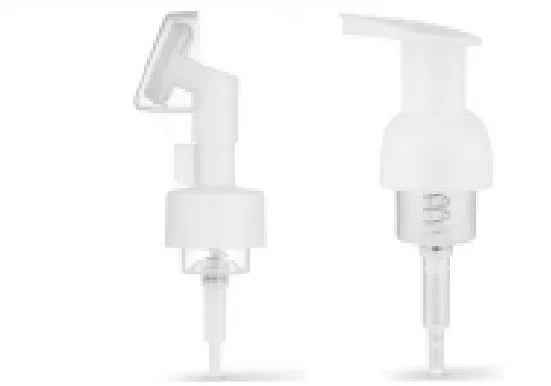
A foam pump has two chambers: a liquid chamber and an air chamber. When the pump head is pressed down, both chambers compress simultaneously. The liquid passes through a mesh screen while air is forced through the same screen from the opposite direction. The mesh mixes liquid and air into a uniform foam. When the pump head returns, spring pressure refills both chambers — liquid from the bottle through a dip tube, air from the top vent.
The mesh screen is the critical component. Mesh density (measured in mesh count — threads per inch) determines foam quality. Higher mesh count (60–80 mesh) produces finer, denser foam. Lower mesh count (30–40 mesh) produces coarser, airier foam. The right mesh density depends on the formula viscosity and the end-user experience the brand is targeting.
Formula Requirements
Not every liquid works in a foam pump. The formula must meet two criteria:
Low viscosity: Foam pumps work with water-thin to slightly viscous liquids (1–10 cP). Standard liquid soap, diluted shampoo, and foaming cleansers work. Thick gels, creams, and undiluted shampoo will not pass through the mesh screen.
Surfactant concentration: The formula needs enough surfactant to create stable foam when mixed with air but not so much that the foam is too dense to dispense. Typical foaming formulas use 5–15% surfactant concentration versus 25–40% for traditional liquid soap. This is the "uses less product" claim — the foam pump does the dilution mechanically.
Looking for a reliable spray bottle supplier?
Get free samples and a factory-direct quote within 12 hours.
Get a Free Quote →Foam Pump Types
Standard foam pump (28/410): The most common format. Produces a golf-ball sized foam dollop per press. Used on 250 mL–500 mL bottles for hand soap, facial cleanser, and body wash. Available in smooth or ribbed closure styles.
Fine foam pump (43/400): Larger pump head for higher-volume foam output. Used on 500 mL–1 liter bottles for shower foam, pet shampoo, and commercial hand wash dispensers. The 43 mm neck requires a wider bottle opening.
Tabletop foam pump (no closure): A foam pump mechanism designed for mounting on countertop dispensers (hotel bathrooms, restaurant restrooms). Press-fit into a dispenser housing rather than screwed onto a bottle.
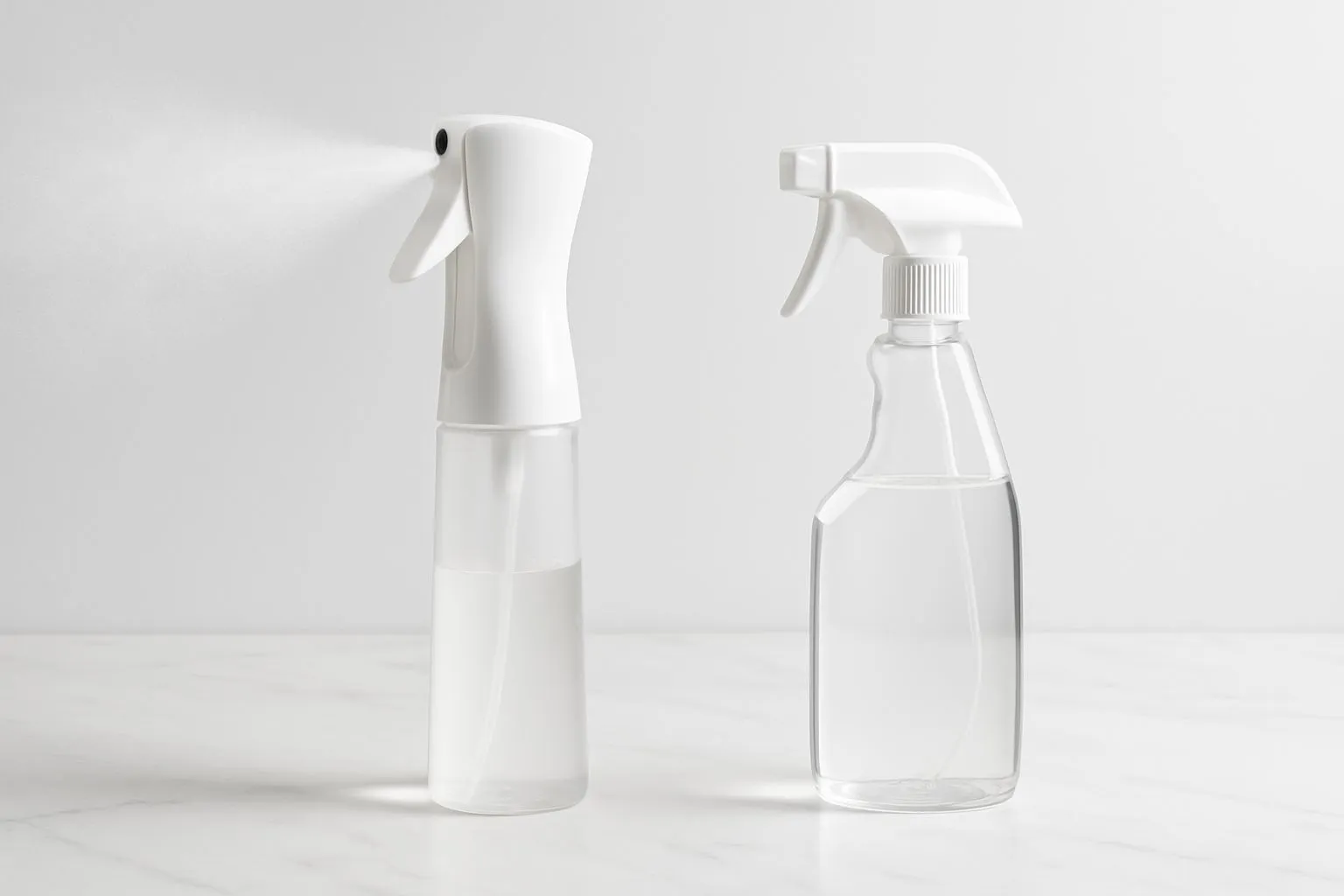
Foam trigger sprayer: Combines trigger sprayer ergonomics with foam output. The user squeezes a trigger lever rather than pressing down a pump head. Used for foaming cleaners, tire foam, and pet shampoo where trigger-style application is preferred. See our trigger sprayer guide for details.
Wholesale Pricing (Factory Direct)
Standard 28/410 foam pump (PP, mesh screen): $0.10–0.18 at 10,000+ pcs
Fine 43/400 foam pump: $0.15–0.25 at 10,000+ pcs
Foam pump + PET bottle set (250 mL): $0.25–0.40 at 5,000+ sets
Custom options: pump color (Pantone), metal collar ring (premium look), lock-down mechanism for travel, spring material (stainless for water-based).
Desikyspray manufactures foam pumps in all standard configurations. MOQ 3,000 pieces for standard pumps, 5,000 for pump+bottle sets. Request foam pump samples →