What Is PP? (Polypropylene)
PP — Polypropylene — is a versatile, heat-resistant thermoplastic identified by resin code #5. It is produced by polymerizing propylene gas using Ziegler-Natta catalysts. PP was first commercially produced in the 1950s by Italian chemist Giulio Natta and has since become the world's second most widely produced commodity plastic (after polyethylene). Global PP production exceeds 80 million metric tons annually.
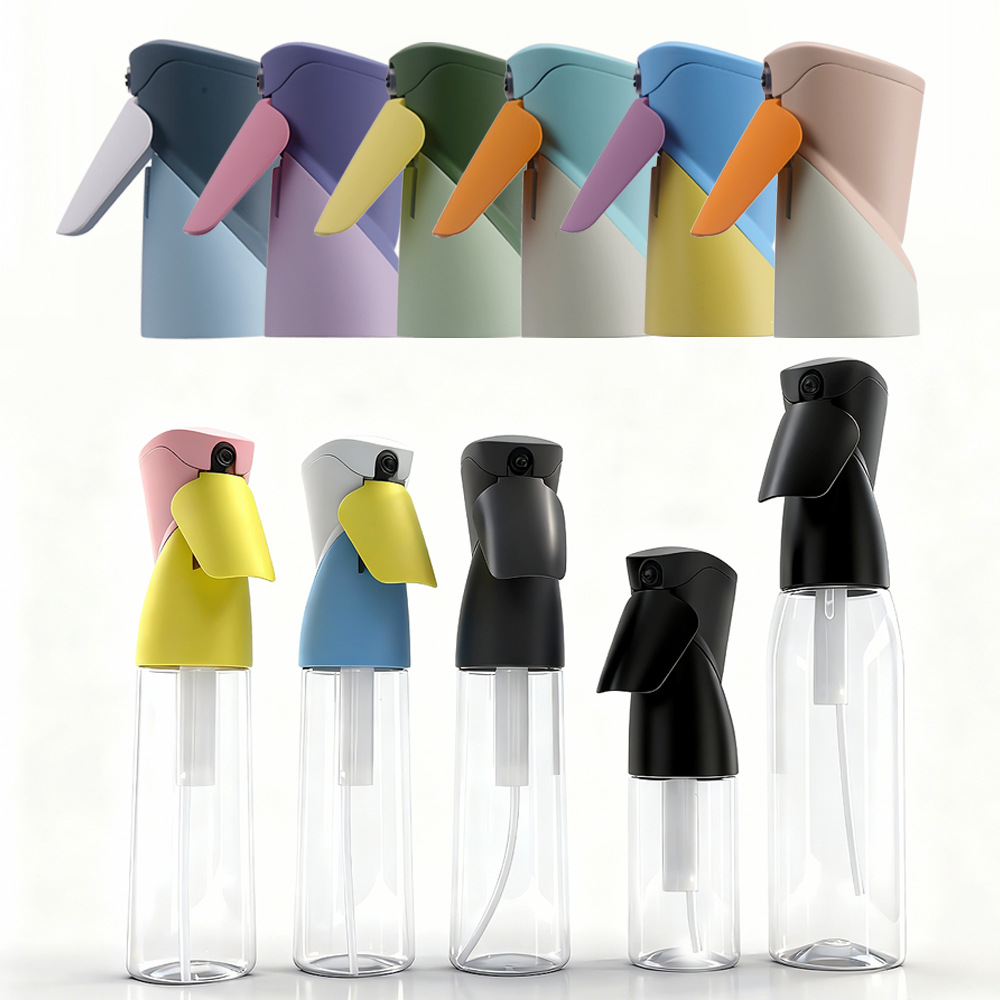
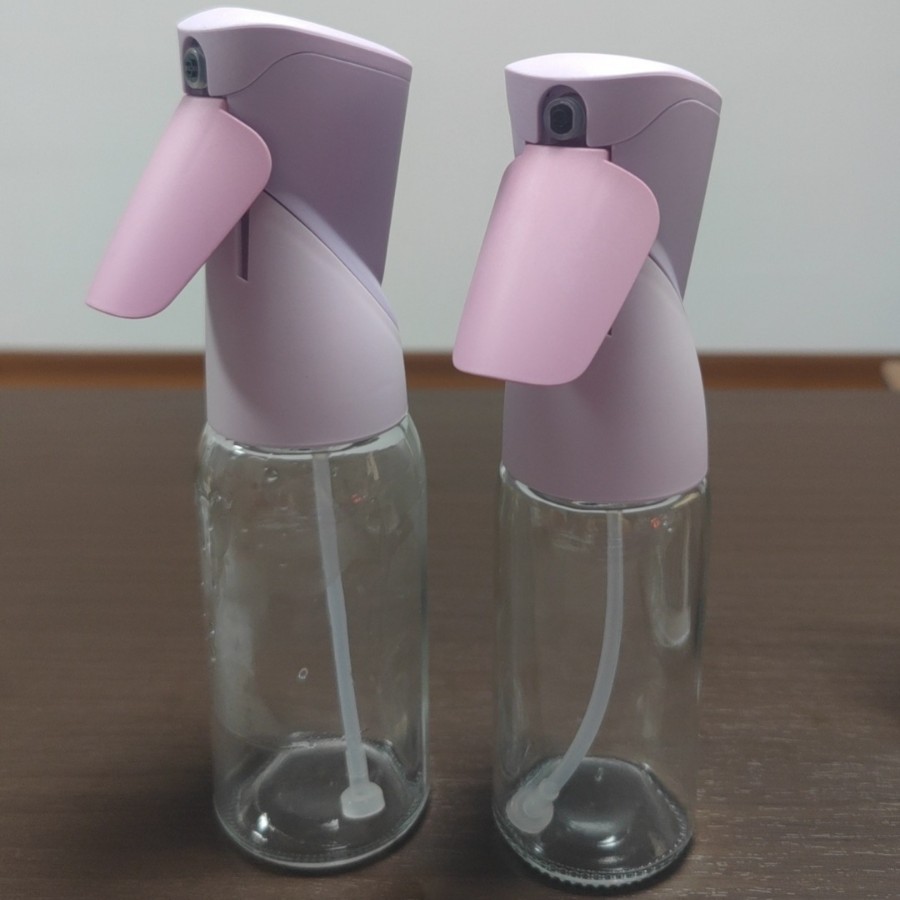
In the spray bottle industry, PP occupies a unique niche: it is the material of choice for food-contact applications, oil sprayers, hot-fill products, and any application requiring heat resistance above 70°C. PP is also the standard material for spray bottle caps, closures, and pump components due to its excellent fatigue resistance — a PP hinge can flex thousands of times without cracking.
PP Material Properties
PP offers a unique combination of heat resistance, chemical resistance, and fatigue strength that no other common spray bottle plastic can match:
| Property | PP Value | Notes |
|---|---|---|
| Clarity / Transparency | Translucent to opaque (natural); clear with clarifiers | Clarified PP approaches PET clarity but at higher cost |
| Density | 0.895-0.92 g/cm³ | Lightest common plastic — floats on water |
| Tensile Strength | 30-40 MPa | Good tensile strength; comparable to HDPE |
| Impact Resistance | Good at room temperature; poor below 0°C | Becomes brittle in freezing conditions — not ideal for cold-chain products |
| Chemical Resistance | Very good — especially to fats, oils, and organic solvents | Superior to PET for oil-based products; resists most acids and bases |
| Temperature Range | -10°C to 120°C (continuous use); up to 140°C short-term | Highest heat resistance of commodity plastics — only PP handles hot-fill |
| UV Resistance | Poor — degrades rapidly in UV without stabilizers | Requires UV stabilizer (0.3-0.5%) for any outdoor application |
| Recyclability | Increasingly recycled — resin code #5 | Recycling infrastructure growing; 20%+ recycling rate in EU |
| FDA Food Contact | Yes — FDA 21 CFR 177.1520 | Approved for food contact; widest temperature range of any food-safe plastic |
| Fatigue Resistance | Exceptional — "living hinge" capability | PP hinges flex 10,000+ cycles without cracking; ideal for flip caps |
| Cost (relative) | $$ (moderate) | 10-15% more than HDPE; comparable to PET |
PP for Food Contact: Certifications & Compliance
PP is the gold standard for food-contact spray bottles. It meets or exceeds every major food safety regulation worldwide:
| Certification | Standard | PP Compliance | Application |
|---|---|---|---|
| FDA (USA) | 21 CFR 177.1520 | Fully compliant | Required for US food-contact products |
| LFGB (Germany) | BfR Recommendation XIV | Fully compliant | German food safety — highest EU standard |
| EU Regulation | EC 10/2011 (Plastic Food Contact) | Fully compliant | EU-wide food contact material regulation |
| EU Migration Testing | Overall migration limit: 10 mg/dm² | PP typically < 2 mg/dm² | Measures chemical transfer from plastic to food |
| GB (China) | GB 4806.7-2023 | Fully compliant | China food contact material standard |
| JIS (Japan) | JHOSPA / Food Sanitation Act | Fully compliant | Japanese food safety requirements |
For cooking oil sprayers, food-grade misting bottles, vinegar sprayers, and any spray bottle that contacts food, PP with food-grade certification is the safest and most widely accepted choice. At Desiky, our PP oil sprayers come with FDA, LFGB, and EU 10/2011 test reports as standard.
Best Applications for PP Spray Bottles
Cooking Oil Sprayers
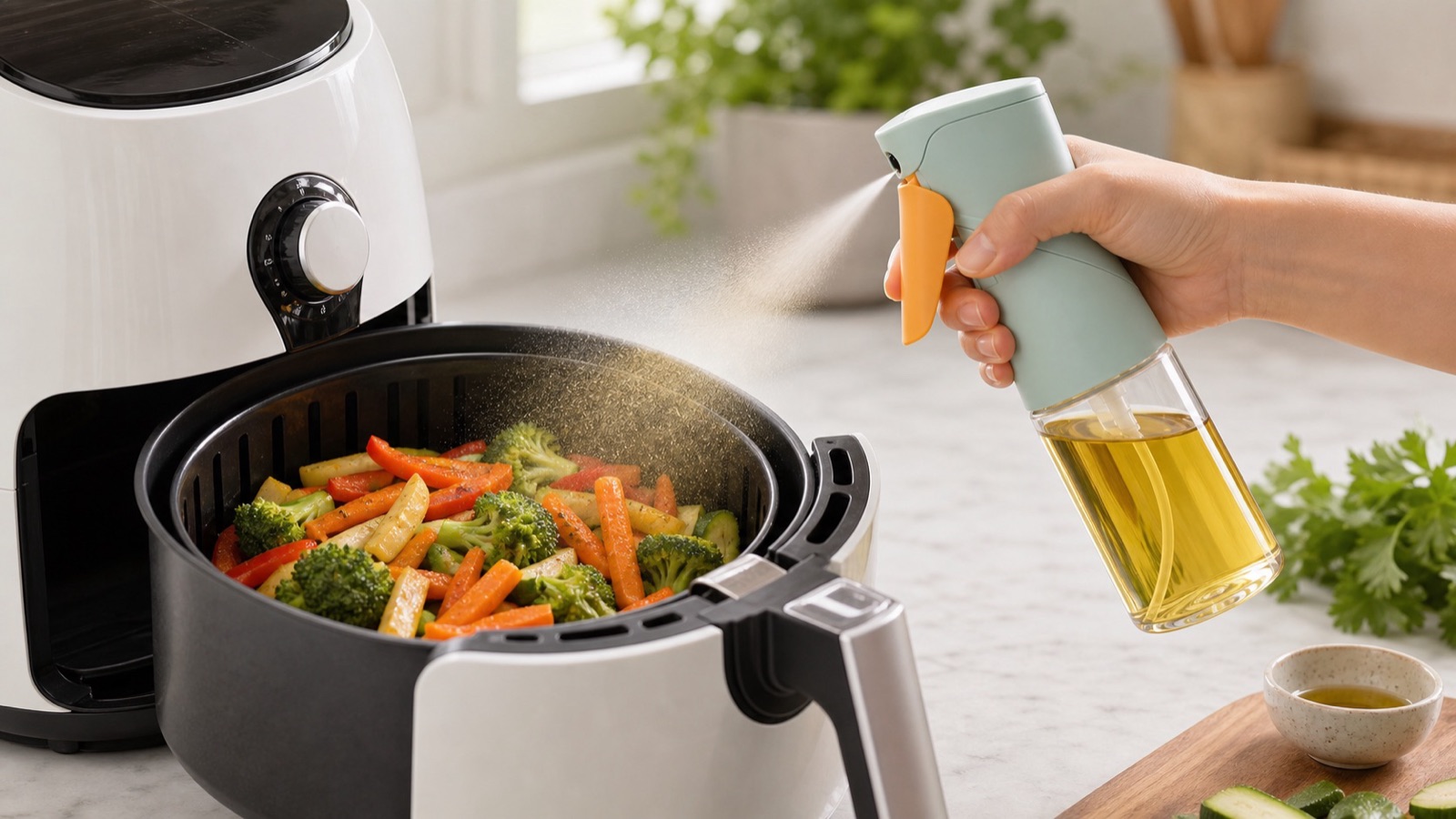
The cooking oil sprayer market is one of the fastest-growing spray bottle segments (25%+ annual growth), driven by air fryer adoption and health-conscious cooking. PP is the only plastic material suitable for cooking oil sprayers because: (1) it resists oil absorption and staining, (2) it handles the fats and fatty acids in cooking oils without degradation, (3) it is FDA/LFGB certified for food contact, and (4) it withstands kitchen temperatures near stovetops. PET and HDPE both absorb oils over time, causing odor retention and discoloration.
Hot-Fill Products
Products filled above 70°C — such as hot sauces, warm cleaning solutions, and heated sanitizers — require PP bottles. PET deforms at 70°C; HDPE softens at 90°C. PP's 120°C continuous use temperature gives it a 30-50°C safety margin over other plastics for hot-fill applications. This eliminates the need for expensive heat-set PET processing.
Pharmaceutical & Medical
PP is widely used for pharmaceutical spray bottles, throat sprays, nasal sprays, and wound care products. Its chemical inertness, autoclavability (121°C steam sterilization), and USP Class VI compliance make it suitable for sensitive pharmaceutical formulations. PP's low extractables profile ensures minimal interaction with active pharmaceutical ingredients.
Spray Bottle Components (Caps, Pumps, Triggers)
Even when the bottle body is PET or HDPE, the spray mechanism components — caps, pump housings, trigger levers, dip tubes, and closures — are overwhelmingly made from PP. The reason: PP's unmatched fatigue resistance. A PP flip-top cap can be opened and closed 10,000+ times without cracking. A PP trigger lever can be squeezed 50,000+ times without failure. No other commodity plastic comes close to this fatigue life.
PP vs PET vs HDPE: Three-Way Comparison for Spray Bottles
| Factor | PP | PET | HDPE |
|---|---|---|---|
| Heat Resistance | 120°C (best) | 70°C | 90°C |
| Clarity | Translucent (clarified PP = clear) | Crystal clear (best) | Opaque |
| Chemical Resistance (oils/fats) | Excellent (best) | Fair | Good |
| Chemical Resistance (acids/bases) | Very good | Good | Excellent (best) |
| Impact Resistance (room temp) | Good | Good | Excellent (best) |
| Cold Temperature Performance | Poor (brittle below 0°C) | Good (-40°C) | Excellent (-50°C, best) |
| Fatigue Resistance (hinges) | Exceptional (best) | Poor | Fair |
| Food Contact Approval | FDA, LFGB, EU (widest) | FDA, EU | FDA, EU |
| Density (weight) | 0.91 g/cm³ (lightest) | 1.38 g/cm³ | 0.95 g/cm³ |
| Recyclability | #5 (growing) | #1 (best infrastructure) | #2 (excellent) |
| Best Use Case | Oil sprayers, hot-fill, food, pharma | Cosmetics, hair care, transparent bottles | Cleaning chemicals, industrial, garden |
| FOB Cost (300ml) | $0.14-0.22 | $0.15-0.25 | $0.12-0.20 |
PP Manufacturing for Spray Bottles
PP spray bottles can be manufactured using multiple processes, each with distinct advantages:
Injection Blow Molding (IBM)
The most common process for small to medium PP bottles (30-500ml). A preform is injection molded, then blown to final shape. IBM produces bottles with precise neck finishes, uniform wall thickness, and no trim waste. Cycle time: 8-15 seconds per bottle. Best for: oil sprayers, cosmetic bottles, pharmaceutical containers.
Extrusion Blow Molding (EBM)
Used for larger PP bottles (500ml-5L) and bottles with handles. A molten PP parison is extruded and blown into a mold. EBM is faster and cheaper than IBM but produces less precise neck finishes and requires trimming. Best for: large garden sprayers, industrial bottles, economy cleaning bottles.
Injection Molding (for components)
PP caps, pump housings, trigger levers, and closures are injection molded in high-cavitation molds (16-64 cavities). Cycle time: 5-12 seconds. Tooling cost is higher but per-unit cost is extremely low at volume. Desiky produces millions of PP spray components annually on automated injection lines.
PP Recycling & Sustainability
PP recycling has historically lagged behind PET and HDPE, but the gap is closing rapidly:
- Resin code #5 — increasingly accepted in curbside recycling programs (now accepted in 60%+ of US curbside programs)
- EU recycling rate for PP reached 20% in 2025 and is rising with improved sorting technology (NIR-based automated sorting)
- Recycled PP (rPP) is available for non-food applications — color, clarity, and odor limitations currently prevent food-contact rPP
- Chemical recycling of PP (pyrolysis) produces virgin-quality output — several commercial plants operational by 2026
- PP is the lightest common plastic (floats on water) — lower shipping weight reduces transportation carbon footprint
- PP waste-to-energy recovery is efficient — PP has the highest calorific value of commodity plastics (46 MJ/kg)
Why Choose PP for Your Spray Bottle Product
PP is the specialist material in the spray bottle world. When your product requires heat resistance above 70°C, food-contact certification, oil and fat compatibility, or components that flex thousands of times — PP is the only choice. It costs 10-15% more than HDPE but delivers capabilities that PET and HDPE simply cannot match. For cooking oil sprayer brands, food packaging companies, pharmaceutical firms, and any product with hot-fill requirements, PP is the material that protects your product and satisfies regulatory requirements worldwide.
Related Resources: Browse Our Spray Bottle Collection | How Spray Bottles Work | Nozzle Specifications | PET Spray Bottles Guide | HDPE Spray Bottles Guide