What Is HDPE? (High-Density Polyethylene)
HDPE — High-Density Polyethylene — is a tough, chemical-resistant thermoplastic identified by resin code #2. It is produced by polymerizing ethylene at low pressure using Ziegler-Natta or metallocene catalysts, resulting in a linear polymer chain with minimal branching. This linear structure gives HDPE its high density (0.941-0.965 g/cm³), excellent tensile strength, and outstanding chemical resistance.
In the spray bottle industry, HDPE is the workhorse material for chemical cleaning products, industrial sprays, and garden applications. While it lacks PET's transparency, HDPE compensates with superior chemical resistance, natural UV protection (opacity blocks light), and the lowest cost-per-volume ratio of any common bottle plastic. If your spray bottle needs to hold bleach, ammonia, acids, or solvents — HDPE is your material.
HDPE Material Properties
HDPE's combination of chemical resistance, impact strength, and low cost makes it the most popular material for utilitarian spray bottles. Here are its key properties:
| Property | HDPE Value | Notes |
|---|---|---|
| Clarity / Transparency | Opaque to translucent | Cannot achieve crystal clarity; natural color is milky white |
| Density | 0.941-0.965 g/cm³ | Lighter than PET (1.38) and much lighter than glass (2.5) |
| Tensile Strength | 25-45 MPa | Lower than PET but excellent impact resistance compensates |
| Impact Resistance | Excellent — virtually unbreakable | Survives drops from 2m+ onto concrete; best impact resistance of commodity plastics |
| Chemical Resistance | Excellent — resists most chemicals | Handles bleach, ammonia, acids, bases, alcohols, most solvents |
| Temperature Range | -50°C to 90°C (continuous use) | Broader range than PET; suitable for cold storage and moderate heat |
| UV Resistance | Good — opacity blocks UV naturally | Add carbon black or UV stabilizer for extended outdoor life (5+ years) |
| Recyclability | Excellent — resin code #2 | Second most recycled plastic globally; 30%+ recycling rate in US/EU |
| FDA Food Contact | Yes — FDA 21 CFR 177.1520 | Approved for food contact (milk jugs, juice bottles, food containers) |
| Moisture Barrier | Excellent | Very low water vapor transmission rate (WVTR) |
| Cost (relative) | $ (lowest) | Cheapest common bottle plastic; 10-15% less than PET |
Chemical Compatibility Chart for HDPE Spray Bottles
One of HDPE's greatest strengths is its broad chemical compatibility. This chart covers common chemicals used in spray bottle products:
| Chemical / Product | Compatibility | Notes |
|---|---|---|
| Water | Excellent | No interaction at any temperature within range |
| Bleach (sodium hypochlorite, 5-12%) | Excellent | HDPE is the standard material for bleach containers |
| Ammonia (household strength) | Excellent | No degradation; standard for ammonia-based cleaners |
| Isopropyl alcohol (70-99%) | Good | Short-term excellent; slight swelling with prolonged >90% exposure |
| Hydrochloric acid (dilute, <20%) | Excellent | Standard for acid-based bathroom cleaners |
| Sodium hydroxide (dilute, <30%) | Excellent | Standard for oven cleaners and drain openers |
| Citric acid / vinegar | Excellent | No interaction; safe for natural cleaning products |
| Essential oils (undiluted) | Good | Better than PET; slight absorption with citrus oils over 6+ months |
| Petroleum solvents (mineral spirits) | Poor to Fair | Can cause swelling and softening; use fluorinated HDPE |
| Acetone / MEK | Poor | Causes stress cracking; not recommended |
| Cooking oils | Good | No chemical interaction but oils may stain porous HDPE surface |
| Pesticides (water-based) | Excellent | Standard material for garden and agricultural sprayers |
Best Applications for HDPE Spray Bottles
Cleaning Products
HDPE is the undisputed material for cleaning product spray bottles. Bleach sprays, bathroom cleaners, kitchen degreasers, glass cleaners, and multi-surface sprays all use HDPE bottles. Its chemical resistance means the bottle won't degrade, discolor, or weaken even with concentrated formulations. Every major cleaning brand — Clorox, Lysol, Method, Windex — packages in HDPE.
Industrial & Chemical Applications
Industrial spray bottles for degreasers, lubricants, rust removers, and workshop chemicals require HDPE's chemical resistance. For the most aggressive solvents (aromatic hydrocarbons, halogenated solvents), fluorinated HDPE (F-HDPE) provides an additional barrier layer that prevents permeation and chemical attack.
Garden & Agricultural Sprayers
Garden sprayers, pesticide applicators, and fertilizer sprays are overwhelmingly HDPE. The material resists both the chemicals inside and the UV radiation outside. HDPE with carbon black (black-colored bottles) or UV-531 stabilizer can survive 5-10 years of outdoor exposure without significant degradation.
Pharmaceutical & Healthcare
HDPE is widely used for pharmaceutical spray bottles: nasal sprays, throat sprays, wound care sprays, and sanitizer sprays. Its chemical inertness ensures no interaction with active pharmaceutical ingredients (APIs). HDPE meets USP Class VI and ISO 10993 biocompatibility requirements for medical applications.
HDPE vs PET: Choosing the Right Material for Your Spray Bottle
The PET-vs-HDPE decision is the most common material choice spray bottle buyers face. Here is a decision framework:
| Factor | Choose PET | Choose HDPE |
|---|---|---|
| Product appearance | Need to show product color/level | Appearance doesn't matter or opacity preferred |
| Chemical formula | Water-based, mild chemicals | Strong chemicals, acids, bases, bleach |
| UV protection | Indoor use only | Outdoor storage or UV-sensitive formulations |
| Target market | Cosmetics, hair care, kitchen | Cleaning, industrial, garden, pharmaceutical |
| Price sensitivity | Mid-range pricing acceptable | Need lowest possible cost |
| Sustainability messaging | rPET / recycled content marketing | rHDPE also available; strong recycling rates |
| Bottle size | 50-500ml optimal | 250ml-2L optimal (best for large volumes) |
HDPE Manufacturing Process
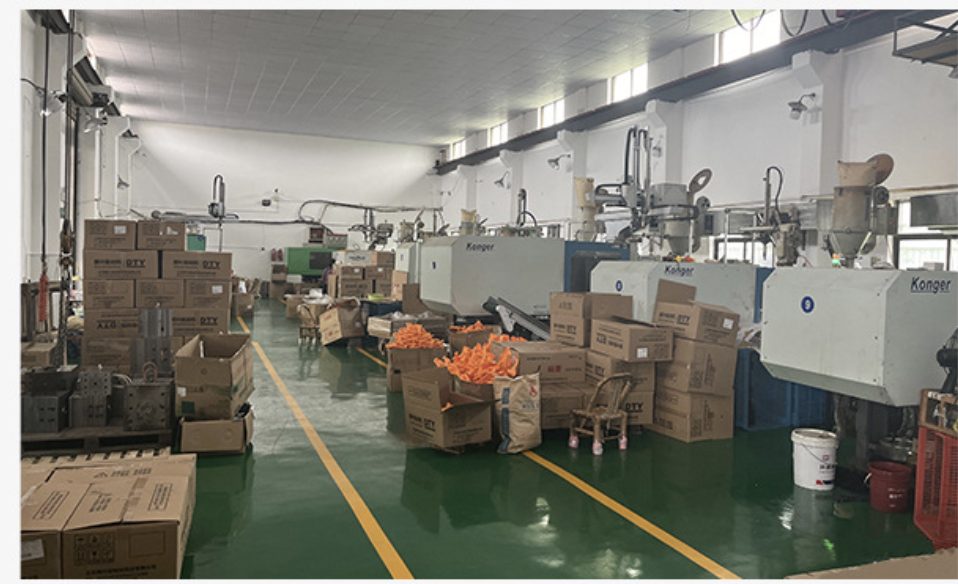
HDPE spray bottles are manufactured primarily through extrusion blow molding (EBM) — a simpler and faster process than PET's two-stage injection-stretch-blow method:
Extrusion Blow Molding (EBM)
- Extrusion: HDPE resin pellets are melted at 180-220°C and extruded through a die to form a hollow tube of molten plastic (called a "parison")
- Mold capture: The parison drops between two halves of the bottle mold, which closes around it
- Blow: Compressed air (6-10 bar) inflates the parison against the mold walls, forming the bottle shape
- Cool & eject: Cooling channels in the mold solidify the bottle in 10-20 seconds; the mold opens and the bottle is ejected
- Trim: Excess material (flash) at the top and bottom is trimmed and recycled back into the process
EBM is faster and cheaper than PET injection-stretch-blow molding, which is one reason HDPE bottles cost 10-15% less. A single EBM machine can produce 2,000-4,000 bottles per hour depending on size.
HDPE Recycling & Environmental Impact
HDPE is one of the most environmentally responsible plastics available:
- Resin code #2 — accepted in virtually all curbside recycling programs worldwide
- 30%+ recycling rate in the US and EU — second only to PET among plastics
- Recycled HDPE (rHDPE) is used for drainage pipes, lumber, playground equipment, and new bottles
- HDPE produces fewer greenhouse gas emissions during manufacturing than PET or PP
- Post-consumer recycled (PCR) HDPE is available at 25-100% content levels for spray bottles
- HDPE is mechanically recyclable — no chemical processing needed
Why Choose HDPE for Your Spray Bottle Product
HDPE is the right choice when function matters more than aesthetics. It offers the broadest chemical compatibility of any commodity plastic, survives rough handling and outdoor conditions, costs less than PET or PP, and recycles easily. For cleaning brands, industrial suppliers, garden product companies, and pharmaceutical firms, HDPE spray bottles deliver the performance and reliability that protect both the product and the brand reputation.
Related Resources: Browse Our Spray Bottle Collection | How Spray Bottles Work | Nozzle Specifications | PET Spray Bottles Guide | PP Spray Bottles Guide