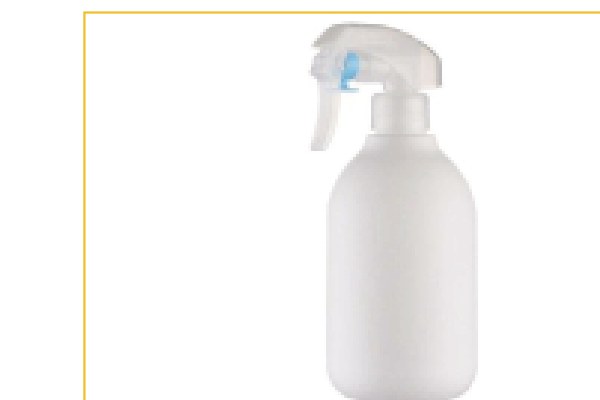
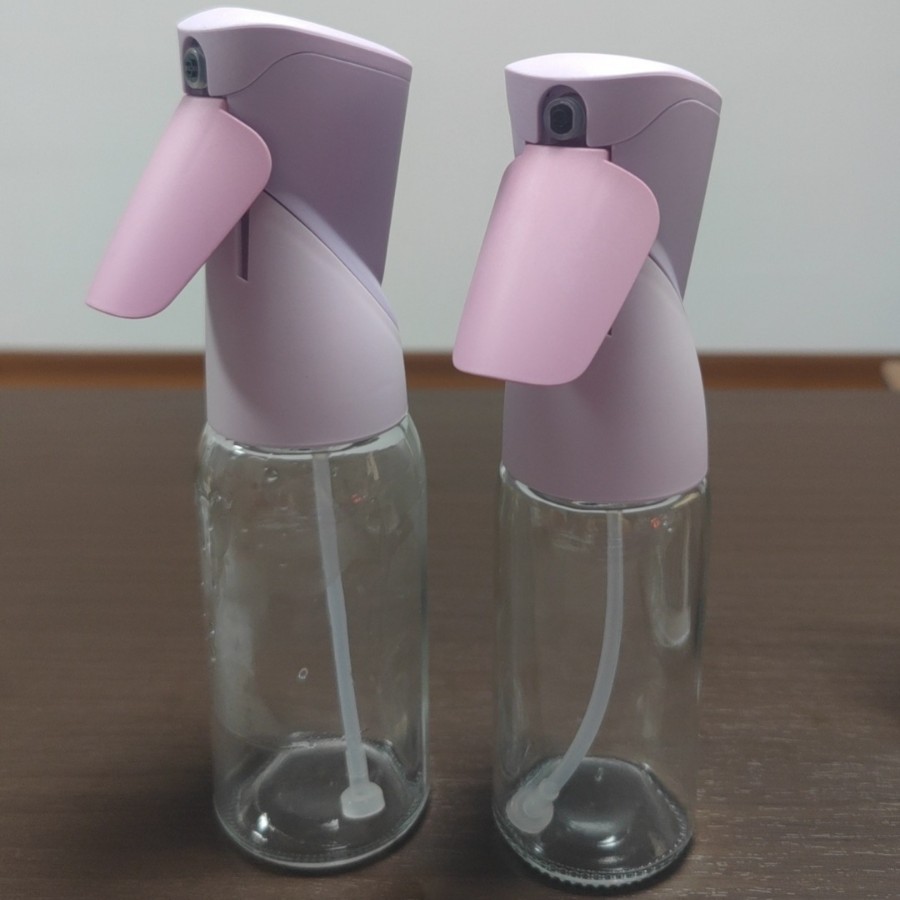
What Is PET? (Polyethylene Terephthalate)
PET — Polyethylene Terephthalate — is the most widely used plastic for transparent bottles and containers worldwide. Identified by resin code #1 (the recycling triangle with a "1" inside), PET is a thermoplastic polymer belonging to the polyester family. It was first synthesized in the 1940s and commercialized for packaging in the 1970s. Today, PET accounts for over 50% of all synthetic fiber production and roughly 30% of all plastic packaging globally.
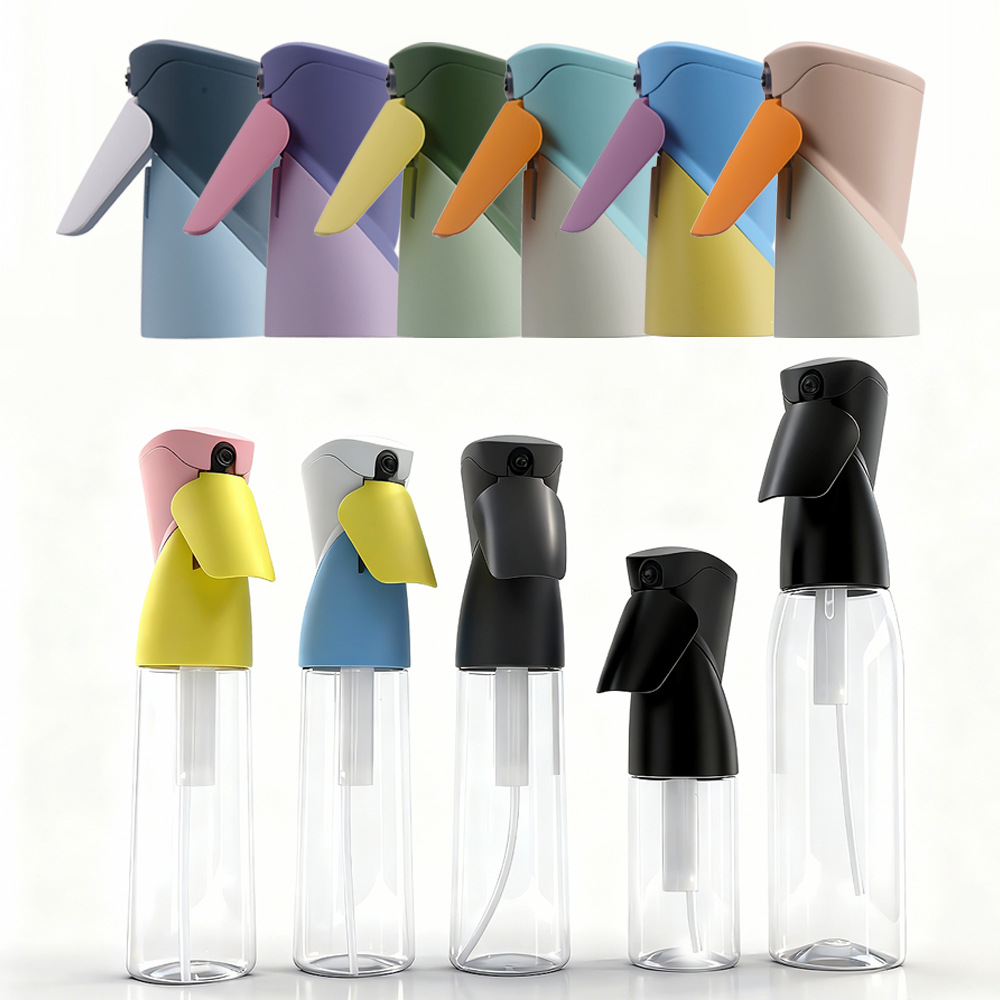
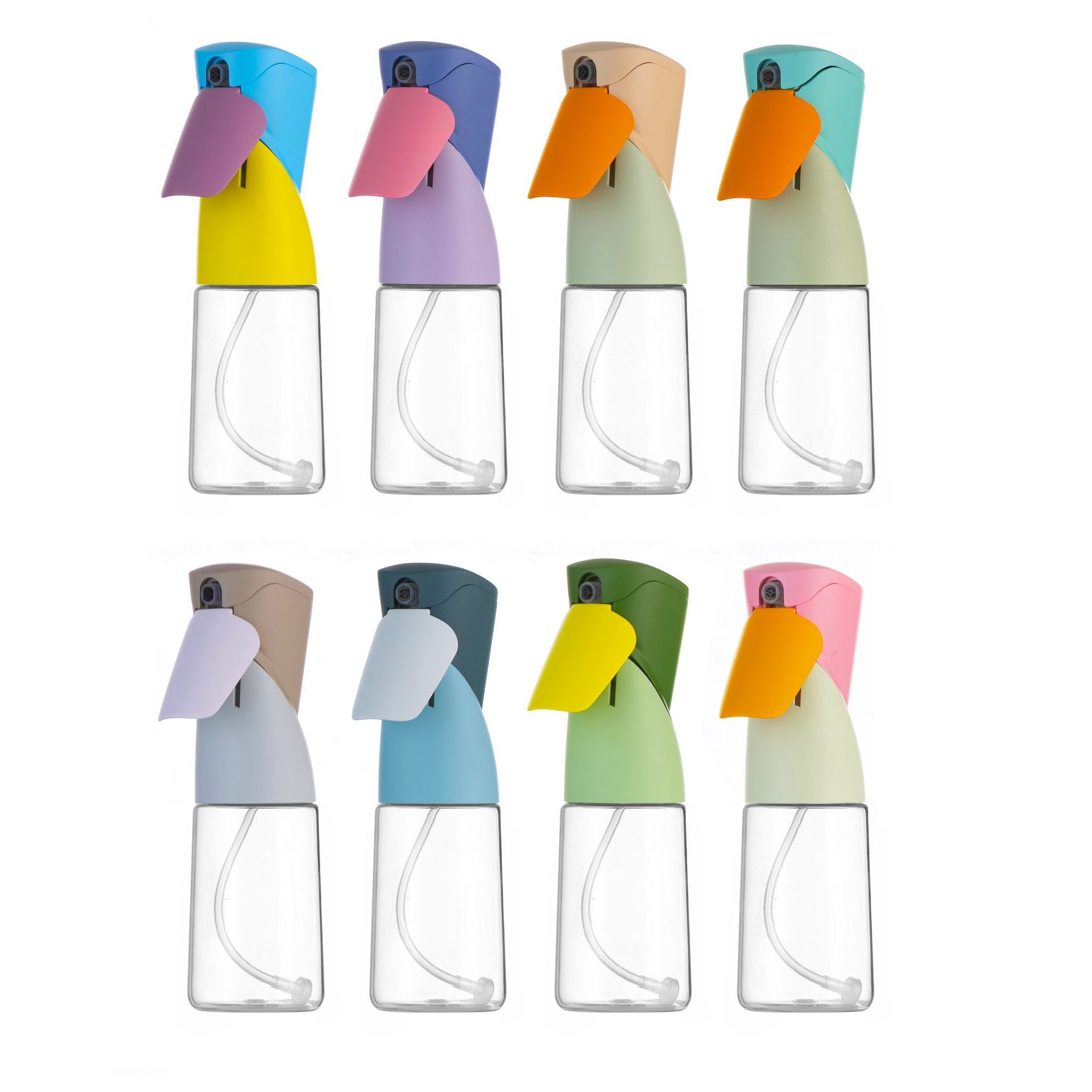
In the spray bottle industry, PET is the default material for transparent bottles — from fine mist cosmetic sprayers to continuous spray bottles for hair care. Its crystal-clear clarity, lightweight strength, and excellent recyclability make it the first choice for brands that want their packaging to look premium while staying cost-effective.
PET Material Properties
Understanding PET's physical and chemical properties is essential for choosing the right material for your spray bottle application. Here is a comprehensive property table:
| Property | PET Value | Notes |
|---|---|---|
| Clarity / Transparency | Excellent — crystal clear (92% light transmission) | Best transparency of all common plastics; glass-like appearance |
| Density | 1.38 g/cm³ | Heavier than HDPE (0.95) and PP (0.91), but much lighter than glass (2.5) |
| Tensile Strength | 55-75 MPa | Strong enough for pressurized spray mechanisms |
| Impact Resistance | Good — shatter-resistant | Won't break when dropped from counter height (1-1.5m) |
| Chemical Resistance | Good for water-based; poor for solvents | Resists dilute acids, alcohols, oils; attacked by ketones, strong alkalis |
| Temperature Range | -40°C to 70°C (continuous use) | Not suitable for hot-fill above 70°C; deforms at 80°C+ |
| UV Resistance | Fair — degrades with prolonged UV exposure | Add UV stabilizer for outdoor applications; or use UV-blocking PET |
| Recyclability | Excellent — resin code #1, most recycled plastic | 100% recyclable; bottle-to-bottle recycling infrastructure established |
| FDA Food Contact | Yes — FDA 21 CFR 177.1630 | Safe for food and beverage contact |
| Barrier Properties | Good O₂ and CO₂ barrier | Suitable for carbonated beverages; adequate for spray bottles |
| Cost (relative) | $$ (moderate) | 20-30% less than glass; 10-15% more than HDPE |
PET vs HDPE vs PP vs Glass: Material Comparison for Spray Bottles
Choosing the right bottle material depends on your product formulation, target market, price point, and sustainability goals. This comparison covers the four most common spray bottle materials:
| Property | PET | HDPE | PP | Glass |
|---|---|---|---|---|
| Clarity | Crystal clear | Opaque / translucent | Translucent / opaque | Clear or colored |
| Weight (300ml bottle) | ~25g | ~22g | ~20g | ~180g |
| Chemical Resistance | Good (water-based) | Excellent (acids, bases, solvents) | Very good (oils, fats, solvents) | Excellent (all chemicals) |
| Max Temperature | 70°C | 90°C | 120°C | 500°C+ |
| Impact Resistance | Good | Excellent | Good | Poor (shatters) |
| Recyclability | #1 — widely recycled | #2 — widely recycled | #5 — increasingly recycled | Infinitely recyclable |
| Best Applications | Cosmetics, hair care, kitchen sprays | Cleaning chemicals, industrial, garden | Oil sprayers, hot-fill, food contact | Premium cosmetics, essential oils |
| FOB Cost (300ml) | $0.15-0.25 | $0.12-0.20 | $0.14-0.22 | $0.40-0.80 |
| Shipping Cost Impact | Low (lightweight) | Lowest | Low | High (heavy, fragile, needs padding) |
Best Applications for PET Spray Bottles
Cosmetics & Personal Care
PET dominates the cosmetic spray bottle market. Its crystal clarity showcases product color and texture — a major selling point on retail shelves and in e-commerce product photography. Common applications include facial mists, toners, setting sprays, body sprays, and perfume atomizers. PET is compatible with most water-based and alcohol-based cosmetic formulations.
Hair Care
Continuous spray bottles for hair care are almost exclusively made from PET. Salon professionals and consumers want to see the product level inside the bottle. PET handles leave-in conditioners, detanglers, heat protectant sprays, and water-based styling products without chemical interaction. For silicone-heavy formulations, always run a 30-day compatibility test.
Kitchen & Cooking
PET spray bottles are FDA-approved for food contact, making them suitable for cooking oil sprayers, vinegar misters, and lemon juice sprayers. However, PET is not recommended for hot-fill applications (above 70°C) — use PP instead. For cooking oil sprayers that sit near stovetops, consider heat-resistant alternatives.
Household Cleaning
PET works well for mild cleaning products: glass cleaners, surface sprays, and water-based disinfectants. For bleach-based or ammonia-based cleaners, HDPE is the better choice due to its superior chemical resistance to strong oxidizers and alkalis.
PET Limitations: When NOT to Use PET
PET is excellent for many applications, but it has clear limitations that buyers must understand:
- Essential oils: Terpenes and concentrated essential oils (tea tree, citrus, eucalyptus) can dissolve or stress-crack PET over time. Use glass or HDPE for essential oil products.
- Strong solvents: Acetone, MEK, toluene, and other industrial solvents attack PET. Use HDPE or fluorinated containers.
- UV exposure: Prolonged sunlight exposure yellows PET and makes it brittle. For outdoor-stored products (garden sprayers, automotive), add UV stabilizers or choose HDPE.
- High temperatures: PET softens and deforms above 70°C. Not suitable for hot-fill products, autoclaving, or bottles stored in hot environments (car dashboards in summer). Use PP for heat resistance up to 120°C.
- Strong alkalis: Concentrated sodium hydroxide (NaOH) and similar strong bases hydrolyze PET. Use HDPE.
How PET Spray Bottles Are Manufactured
PET spray bottle manufacturing is a two-stage process that produces lightweight, strong, crystal-clear bottles at high speed:
Stage 1: Injection Molding (Preform)
PET resin pellets are dried (moisture content must be below 0.02%), heated to 270-280°C, and injected into a preform mold. The preform looks like a test tube with a threaded neck finish. Neck finish dimensions (e.g., 24/410, 28/410) are formed precisely at this stage — they must match the spray pump or trigger closure.
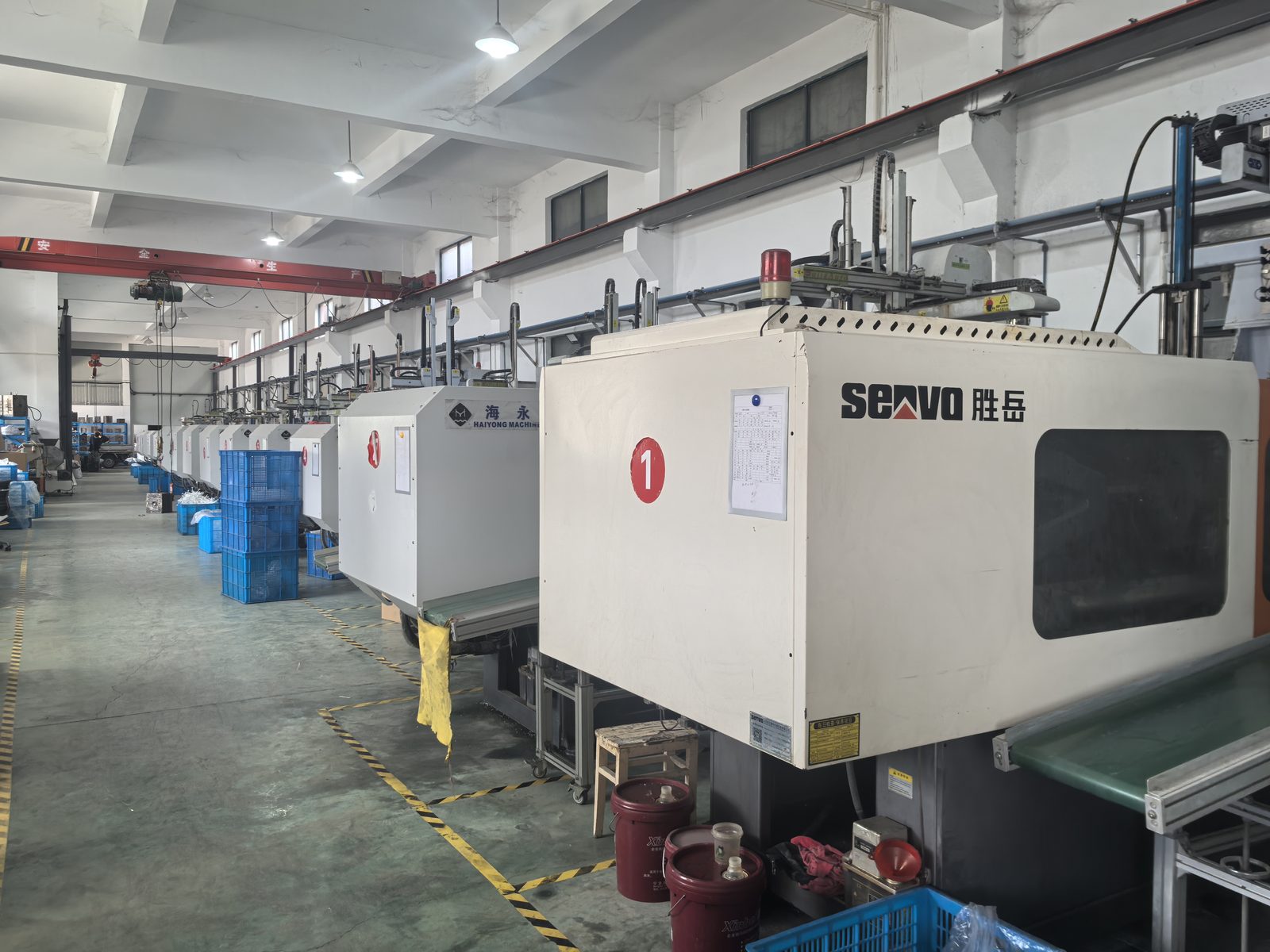
Stage 2: Stretch Blow Molding
The preform is reheated to 95-110°C (softening point), placed in a bottle-shaped mold, and simultaneously stretched vertically by a stretch rod and inflated with high-pressure air (25-40 bar). This biaxial orientation (stretching in two directions) is what gives PET bottles their exceptional clarity, strength, and barrier properties. The entire blow molding cycle takes 3-6 seconds per bottle.
Quality Control
Every PET bottle undergoes visual inspection for defects (bubbles, uneven wall thickness, gate marks), dimensional measurement (neck finish, height, diameter), and pressure testing. At Desiky, our QC process includes leak testing at -0.05 MPa vacuum and drop testing from 1.2 meters to ensure bottles survive shipping and daily use.
PET Recycling & Sustainability
PET is the most recycled plastic in the world. Resin code #1 bottles are collected curbside in most developed countries and processed into rPET (recycled PET) for new bottles, polyester fiber (clothing, carpets), strapping, and packaging. Key sustainability facts:
- PET bottle-to-bottle recycling is a closed-loop system — a used PET bottle can become a new PET bottle
- Recycling PET uses 70% less energy than producing virgin PET from petroleum
- rPET (recycled PET) content of 30-100% is now available for spray bottles
- EU PPWR mandates 30% recycled content in plastic bottles by 2030
- Major retailers (Amazon Climate Pledge, Walmart Project Gigaton) reward brands using rPET packaging
Why Brands Choose PET for Spray Bottles
PET dominates the transparent spray bottle market for compelling reasons: (1) crystal clarity that showcases product quality on shelves and in photos, (2) 80% lighter than glass with comparable aesthetics, (3) shatter-resistant for safe shipping and daily use, (4) 100% recyclable with established infrastructure, (5) cost-effective at $0.15-0.25 per 300ml bottle FOB, and (6) FDA-approved for food contact applications. For brands launching spray bottle products in cosmetics, hair care, or kitchen categories, PET is the smart default choice.
Related Resources: Browse PET Continuous Spray Bottles | How Spray Bottles Work | Nozzle Specifications | HDPE Spray Bottles Guide | PP Spray Bottles Guide