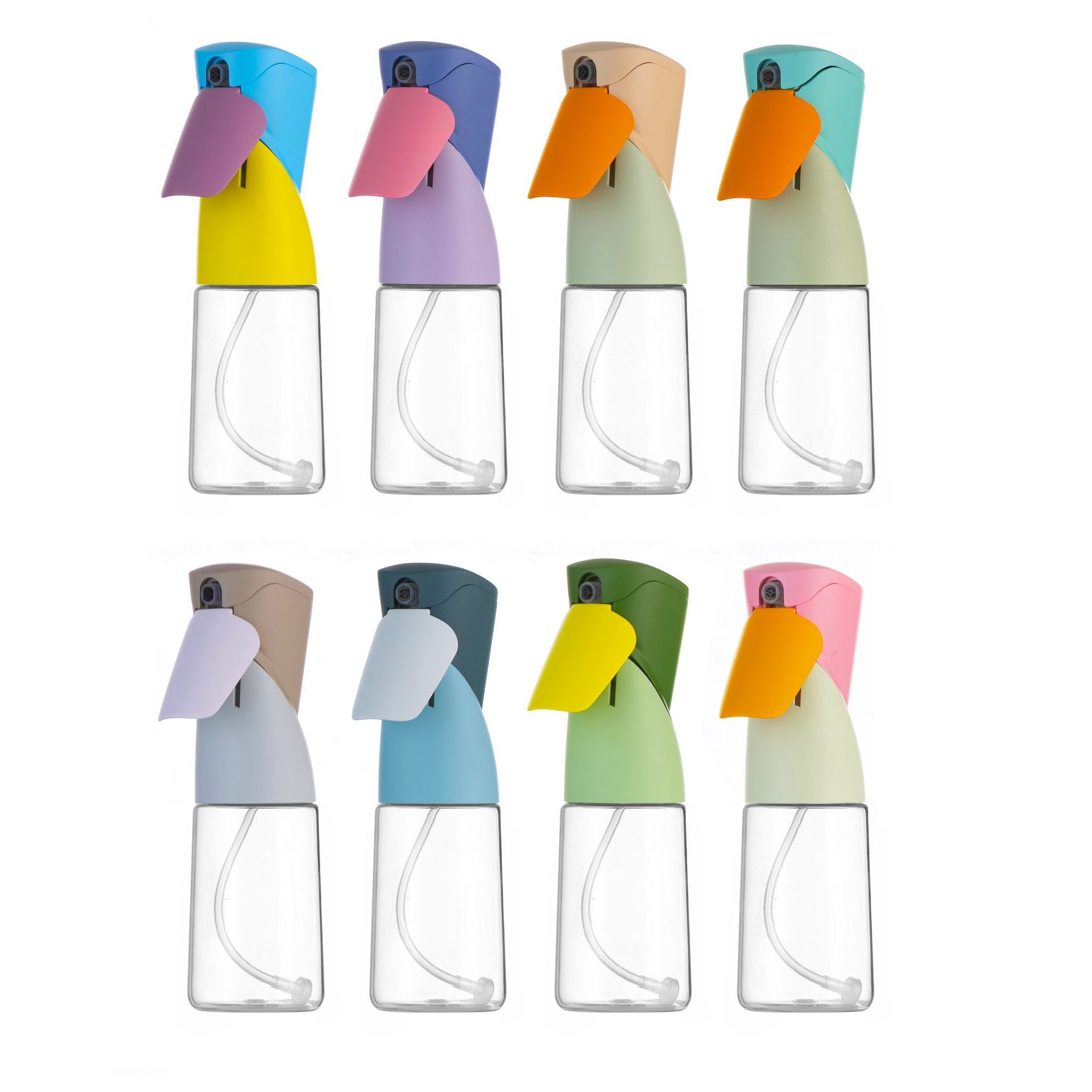
The Science Behind Foam Soap
A foam soap dispenser creates foam in real time by mixing liquid soap with air through a precisely engineered pump mechanism. The core components are: a piston pump that draws soap, an air chamber that introduces air, and a mesh screen assembly (2-3 layers at 100-200 mesh count) that creates uniform micro-bubbles.
Step-by-Step: How the Pump Creates Foam
Step 1 — Downstroke: Pressing the pump head moves the piston downward, compressing both soap and air chambers simultaneously, forcing a measured dose upward through the mixing channel.
Step 2 — Mixing: Soap and air streams merge in a mixing chamber. The ratio is typically 1 part soap to 8-10 parts air by volume.
Step 3 — Mesh filtration: The mixture passes through 2-3 mesh layers. Each layer breaks larger bubbles into smaller ones, producing dense, creamy foam.
Step 4 — Upstroke: Releasing the pump creates negative pressure that draws fresh soap and air through one-way check valves.
Why Mesh Quality Matters
Cheap dispensers use single-layer coarse mesh (50-80 count) — large, wet bubbles that collapse fast. Premium dispensers from Desiky use 2-3 layers of 150-200 mesh, creating foam with bubbles under 0.5mm lasting 30+ seconds.
Soap-to-Water Dilution Ratios
| Soap Type | Ratio |
|---|---|
| Foaming hand soap | Use as-is |
| Regular liquid soap | 1:3 to 1:4 |
| Dish soap | 1:8 to 1:10 |
| Castile soap | 1:3 to 1:5 |
Troubleshooting
No foam: Clogged air intake or mesh. Rinse in warm water, clear the air intake pinhole.
Wet/runny foam: Soap too concentrated — add water. Or mesh is degraded.
Hard to press: Dried soap crystals. Soak in warm water 10 min.
Explore our foam pump collection or contact Desiky for OEM solutions.