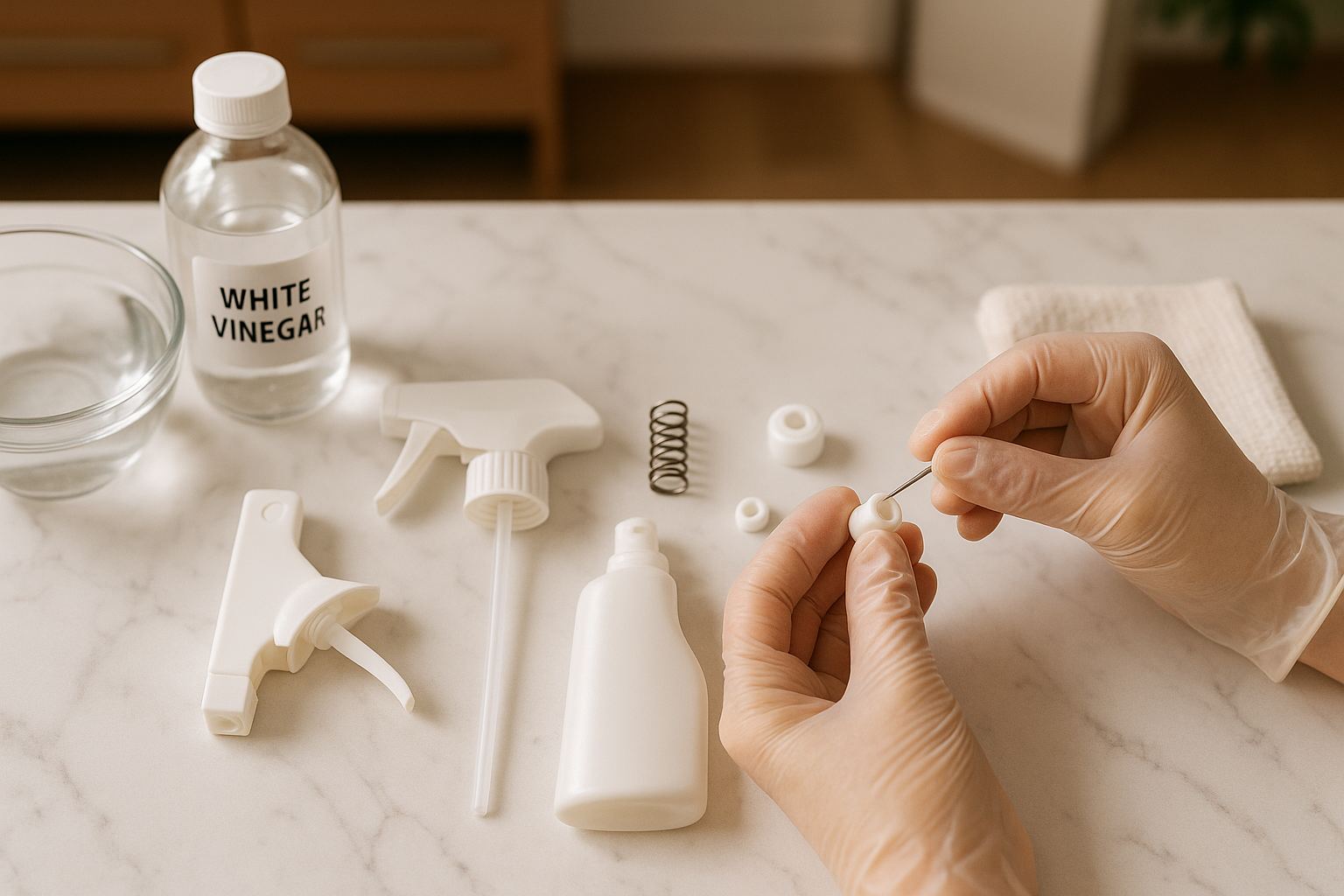
Why Spray Bottle Maintenance Matters
A clogged or dirty spray bottle frustrates customers and generates returns. For product brands, including proper care instructions reduces complaints and extends product lifespan. This guide covers cleaning for end users and manufacturing QA insights for product developers.
Cleaning by Product Type
| Product Was in Bottle | Cleaning Method | Frequency |
|---|---|---|
| Water only | Rinse with warm water; air dry | Weekly |
| Cooking oil | Hot water + dish soap; soak nozzle in warm soapy water 10 min; rinse thoroughly | Every refill |
| Cleaning products | Rinse with water; flush pump mechanism by spraying water through; air dry | After use |
| Haircare products | Warm water + mild soap; clean nozzle with cotton swab; rinse | Monthly or between refills |
| Essential oils | Isopropyl alcohol (70%) rinse — dissolves oil residue; then warm soapy water; air dry completely | Between oil changes |
| Garden chemicals | Triple rinse with water; flush pump; do not reuse for non-garden use | After each use |
How to Unclog a Spray Nozzle
- Remove nozzle: Unscrew or pull off the nozzle head from the pump
- Soak: Soak nozzle in warm water + vinegar (1:1 ratio) for 15-30 minutes — dissolves mineral deposits and dried product
- Clear with pin: Use a sewing needle or toothpick to gently clear the nozzle orifice (the tiny hole where spray exits)
- Flush: Reattach nozzle, fill bottle with clean warm water, pump 10-20 times to flush the mechanism
- Test: Spray on paper — pattern should be even and consistent
Sterilizing for Food Use
For spray bottles that hold cooking oils or food-grade liquids:
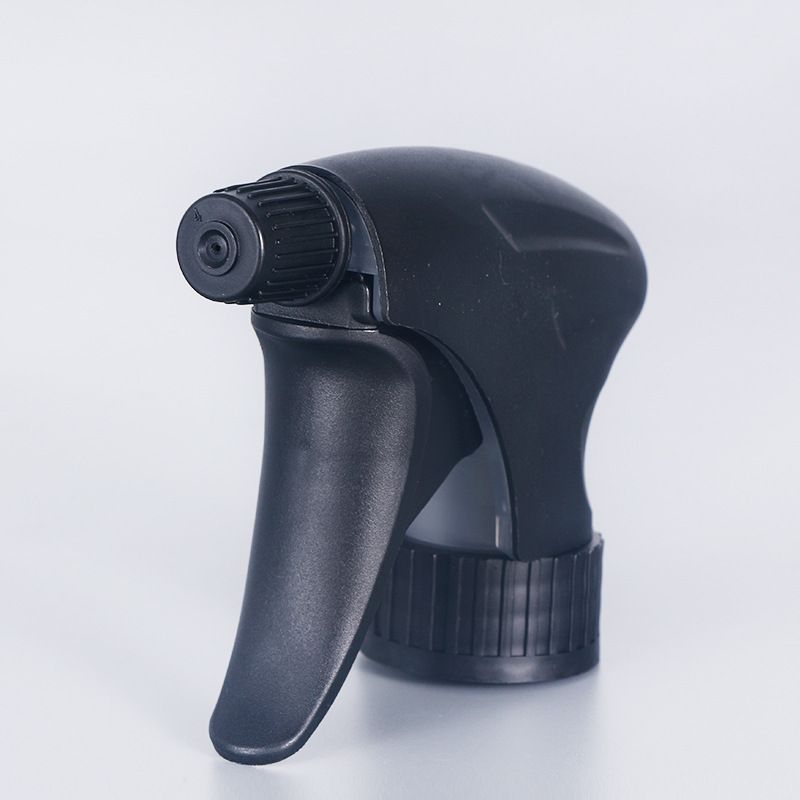
- Disassemble: remove cap, nozzle, dip tube
- Boiling water rinse: pour boiling water through all components
- Or: soak in food-grade sanitizer (Star San, bleach solution 1 tsp per gallon)
- Air dry completely before reassembly — moisture = bacteria growth
- Replace spray mechanism annually for food applications
Extending Spray Mechanism Lifespan
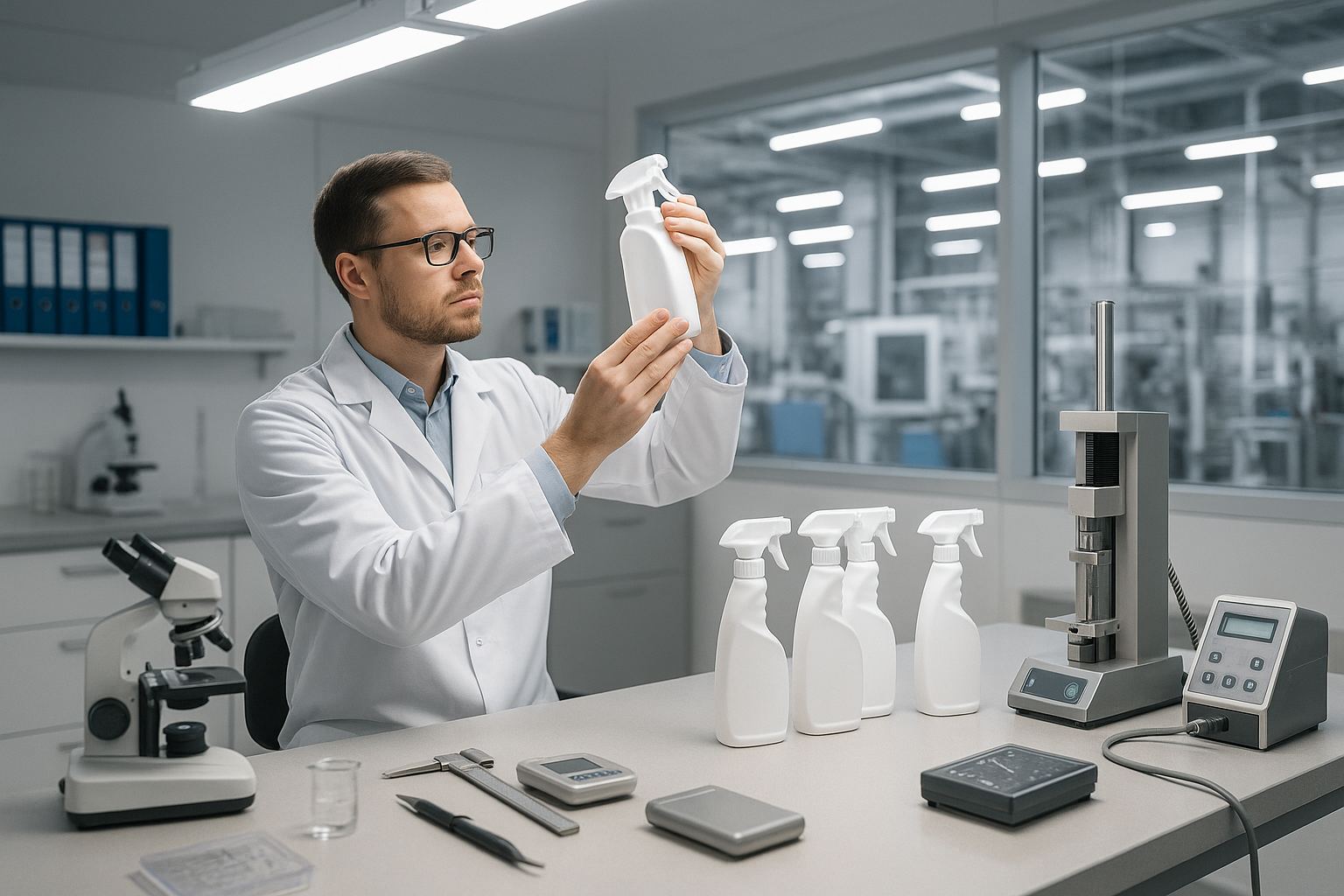
- Do not leave cleaning chemicals or oils sitting in the pump mechanism — flush with water after use
- Store bottles upright — prevents product from settling in the nozzle
- Avoid dropping — impact can misalign pump components
- Use within specified chemical compatibility — harsh chemicals degrade seals over time
- Replace gaskets/O-rings if spray pattern becomes inconsistent — cheapest fix before replacing entire bottle
FAQ
Why does my spray bottle stop working after sitting unused?
Product residue inside the pump mechanism dries and crystallizes, blocking the check valve (small ball bearing). Solution: remove nozzle, soak pump mechanism in warm water for 30 minutes, pump warm water through until spray returns. Prevention: flush with clean water before long-term storage.
Can I put bleach in any spray bottle?
No. Bleach (sodium hypochlorite) attacks standard PP trigger components, causing seal degradation and pump failure within 2-3 months. For bleach-based cleaners, specify HDPE bottles with nylon/PA chemical-resistant triggers. Desikyspray offers bleach-compatible spray bottles on request.
Related Articles: How to Choose a Supplier on Alibaba · OEM Custom Manufacturing Guide · Samples Guide: Testing & Approval · Cosmetic Bottle Wholesale Guide
Related: Foam dispenser clogging? Our foam soap dispenser guide covers mesh screen cleaning, pump troubleshooting, and maintenance for all 7 dispenser types.
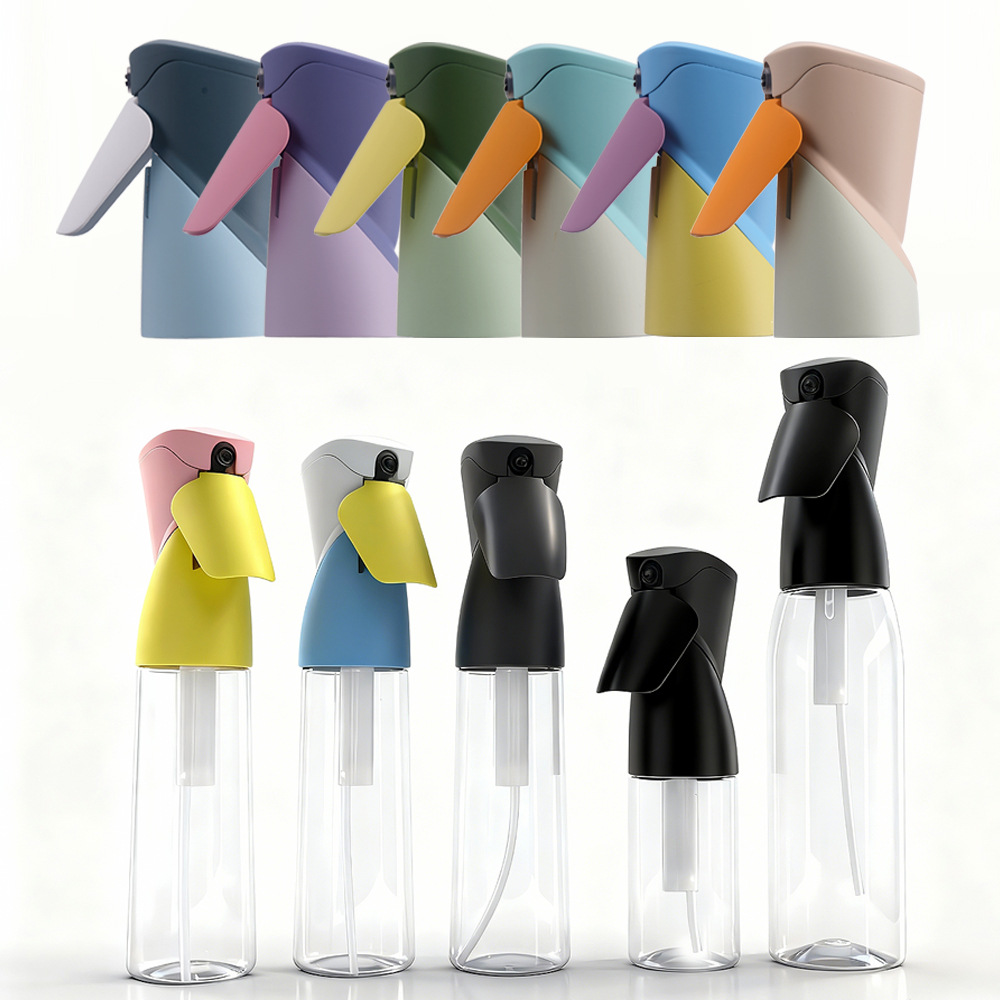
Related: Different spray bottle types need different cleaning approaches — see our spray bottle types guide for care tips by category.
![Top 10 Spray Bottle Manufacturers in China [2026 Verified Factory List]](/images/blog/top-spray-manufacturers.jpg)
