Choosing between a continuous spray bottle and a traditional trigger sprayer? The two technologies solve different problems — and choosing wrong can mean your product underperforms on retail shelves. This comparison covers the technical differences, ideal applications, and pricing so you can specify the right spray mechanism for your product.
1. Technical Comparison
| Feature | Continuous Spray Bottle | Trigger Sprayer |
|---|---|---|
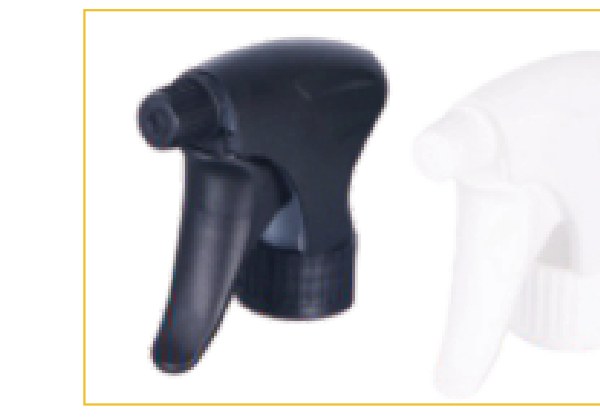
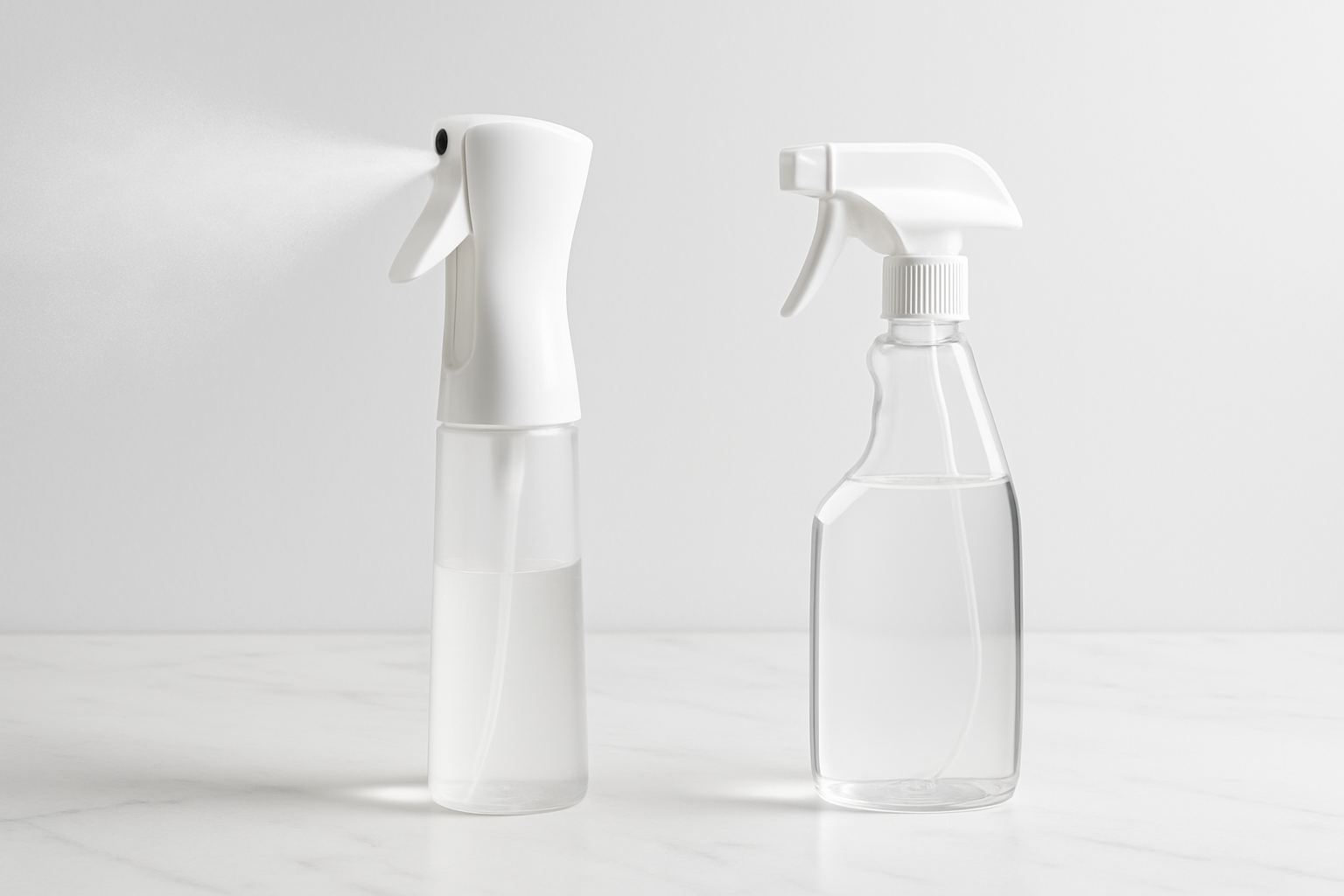
| Spray mechanism | Pressurized bag-on-valve or piston — one squeeze delivers sustained spray for as long as trigger is held (1-3 seconds typical) | Traditional pump — each squeeze delivers one discrete spray; release and squeeze again |
| Spray duration | 0.8-1.2ml per second continuously | 0.15-0.30ml per single stroke |
| Droplet size | 40-70 μm (fine, even mist) | 60-120 μm (coarser, more variable) |
| Spray angle | Wide, even cone (60-90°) | Narrower cone (30-60°) or stream mode |
| 360° spray | Yes — can spray upside down (bag-on-valve design) | No — requires bottle upright for dip tube pickup |
| Coverage speed | Fast — covers large area quickly | Slower — requires repeated pumping for large areas |
| Unit cost (200-300ml) | $0.28-0.50 | $0.15-0.35 |
| Typical bottle sizes | 150ml-500ml | 250ml-1,000ml |
2. Best Applications
| Application | Recommended | Why |
|---|---|---|
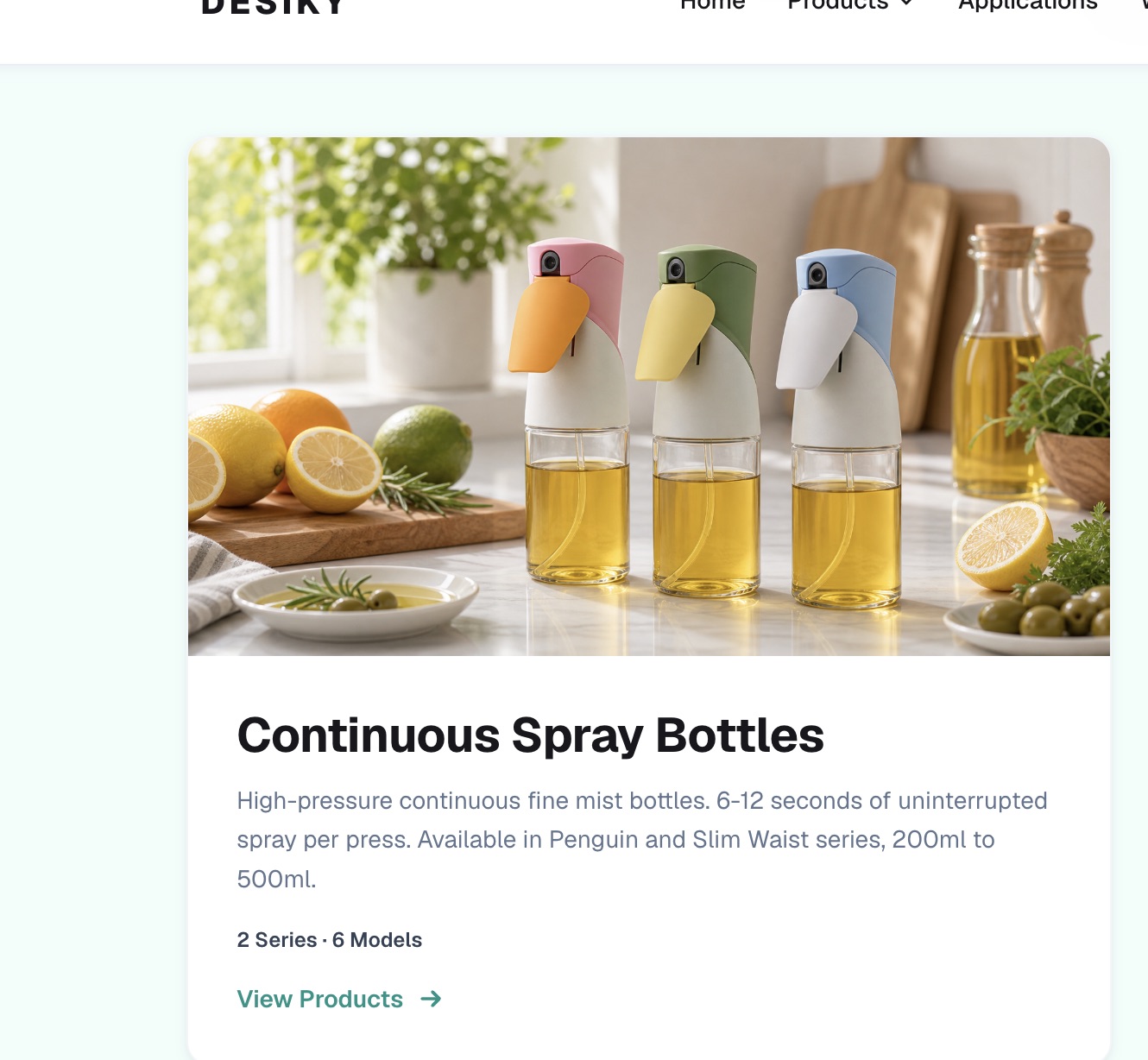
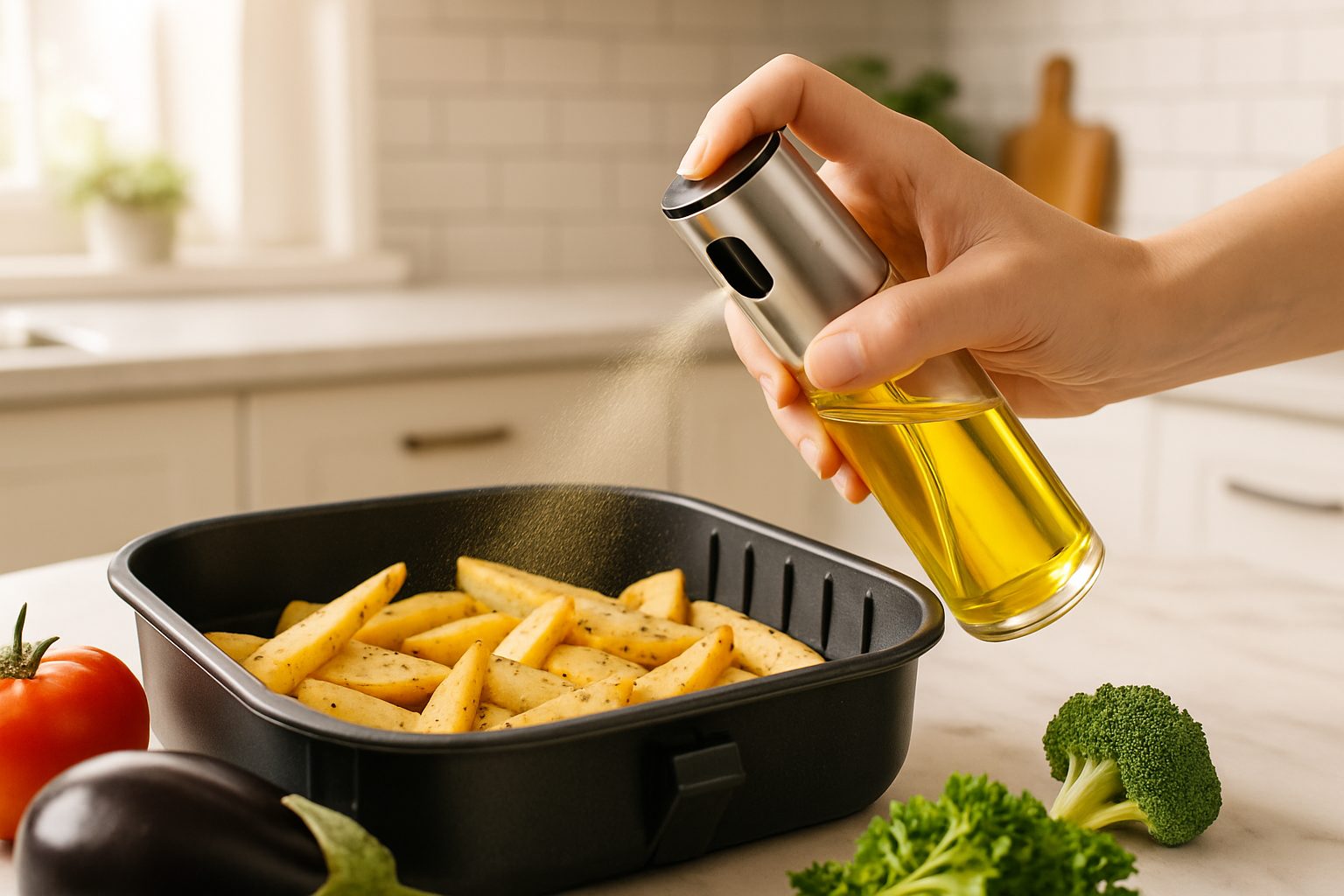
| Cooking oil spray | Continuous spray | Even coverage on pans and food surfaces; precise control; 360° spray for hard-to-reach areas |
| Hair detangler / leave-in conditioner | Continuous spray | Covers large hair area quickly; fine mist doesn't saturate; customers perceive higher value |
| Facial mist / toner | Continuous spray (ultra-fine) | Fine, even application; luxury user experience; consistent coverage |
| Household cleaner (all-purpose) | Trigger sprayer | Targeted spray for specific surfaces; stream mode for corners; lower cost for high-volume product |
| Garden plant mister | Continuous spray | Gentle even coverage; no hand fatigue from repeated pumping; better for delicate plants |
| Ironing / fabric spray | Continuous spray | Even mist distribution across fabric; faster application |
| Bathroom cleaner | Trigger sprayer | Targeted application on specific areas; higher chemical resistance needed |
| Auto detailing spray | Trigger sprayer | Controlled application on specific spots; larger bottle capacity preferred |
3. Price-Performance Tradeoff
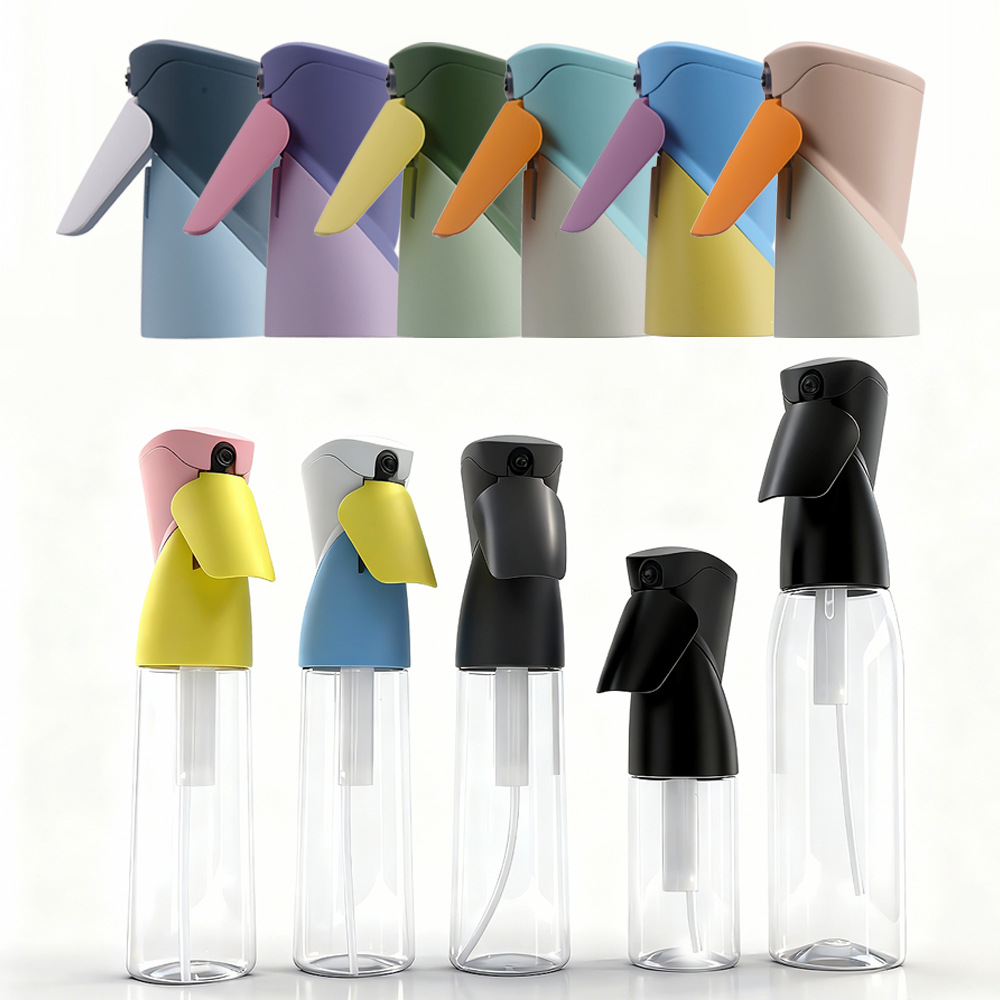
Continuous spray bottles cost approximately 30-60% more than trigger sprayers of equivalent size. The price premium is driven by: (1) more complex bag-on-valve or piston pump mechanism, (2) tighter manufacturing tolerances for consistent spray pattern, (3) aluminum canister option (premium models), (4) patented designs commanding premium pricing. However, continuous spray products typically command 20-40% higher retail prices — the mechanism itself signals premium quality to consumers.
FAQ
Can I use a continuous spray bottle for cleaning products?
Yes, but with caveats. Continuous spray bottles work well for multi-surface and fabric sprays where even coverage matters. For bleach-based or heavy-duty cleaners, trigger sprayers are preferred because: (1) harsh chemicals may degrade the bag-on-valve bladder over time, (2) cleaning products typically sell at lower retail prices where the spray mechanism cost premium is harder to absorb.
Why do some continuous spray bottles stop spraying?
Two common causes: (1) Air in the dip tube — pump 3-5 times with the bottle upright to re-prime, (2) The bag-on-valve bladder is empty or damaged — visible as a lack of pressure when squeezing. Quality manufacturing (like Desikyspray's patented design) minimizes these issues through precision assembly and 100% functional testing.
Related Articles: Best Spray Bottle · Continuous vs Trigger Spray Comparison · Spray vs Pump vs Dropper Comparison · Glass vs Plastic Oil Sprayer