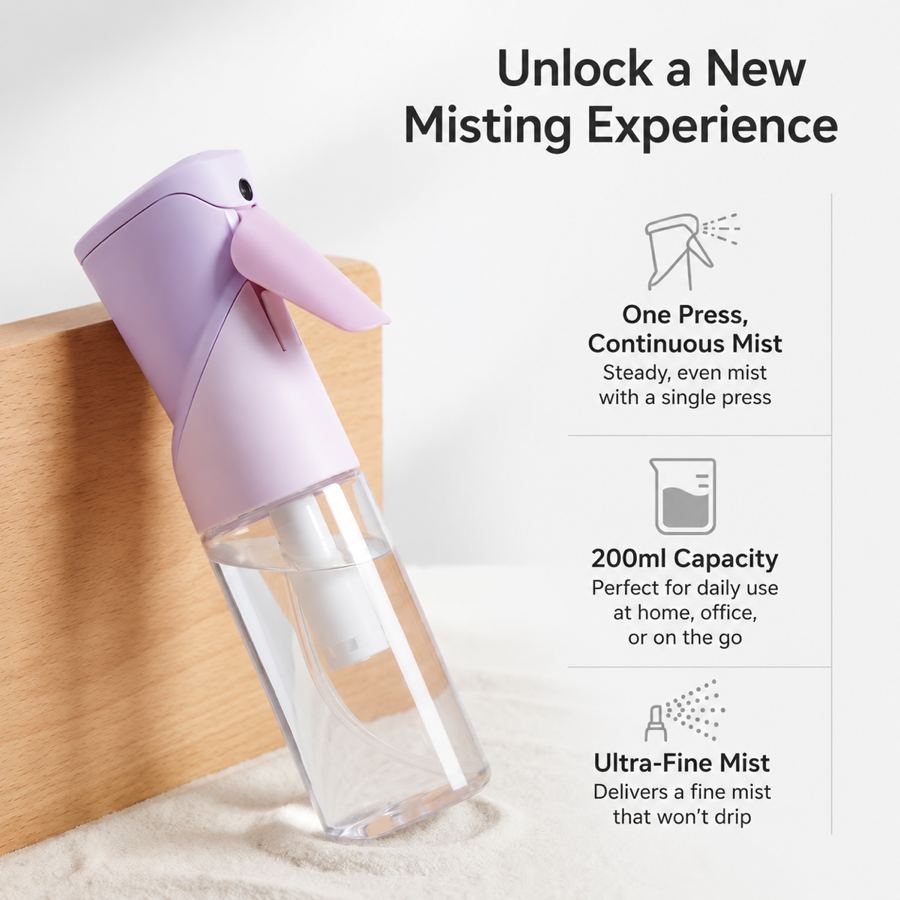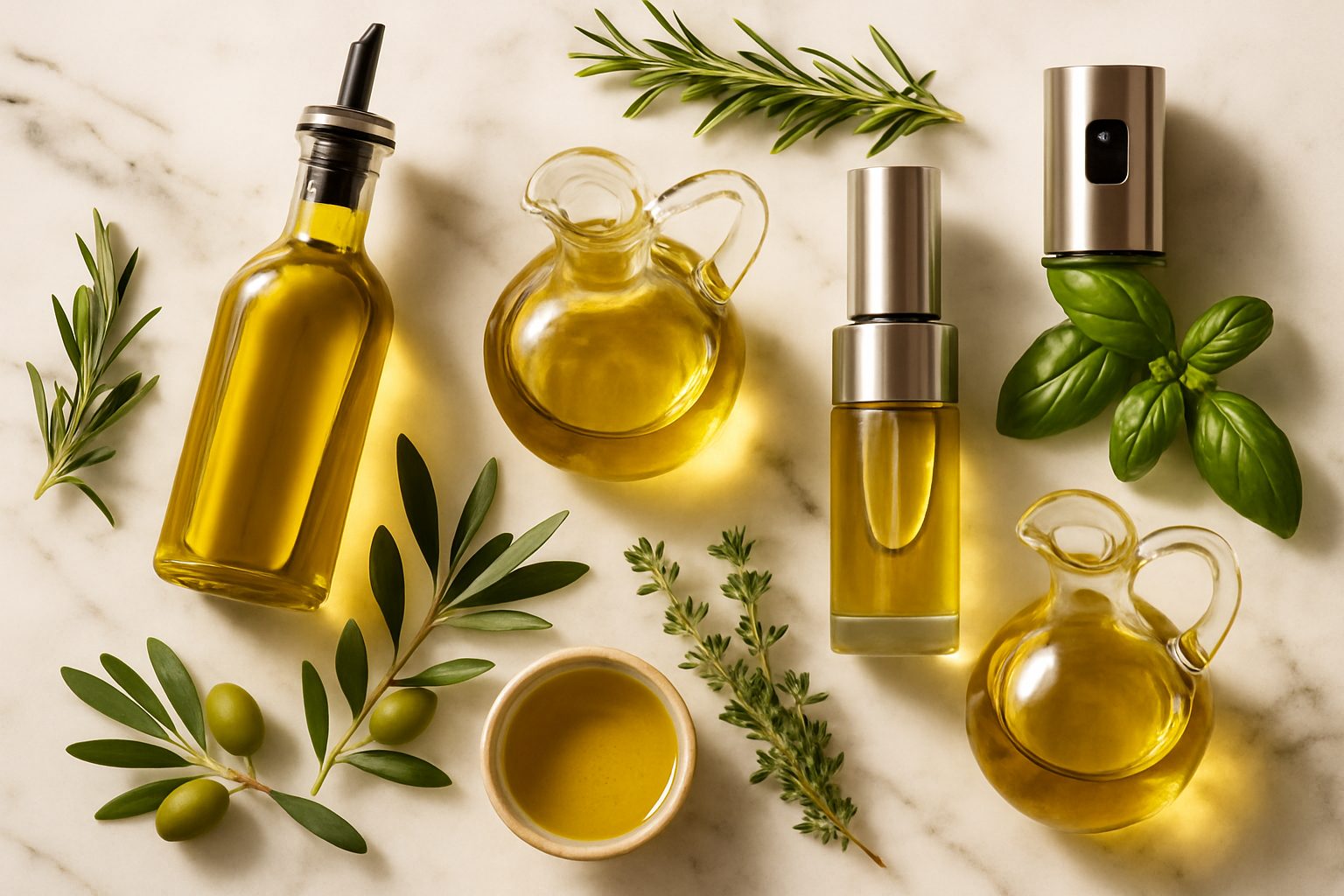
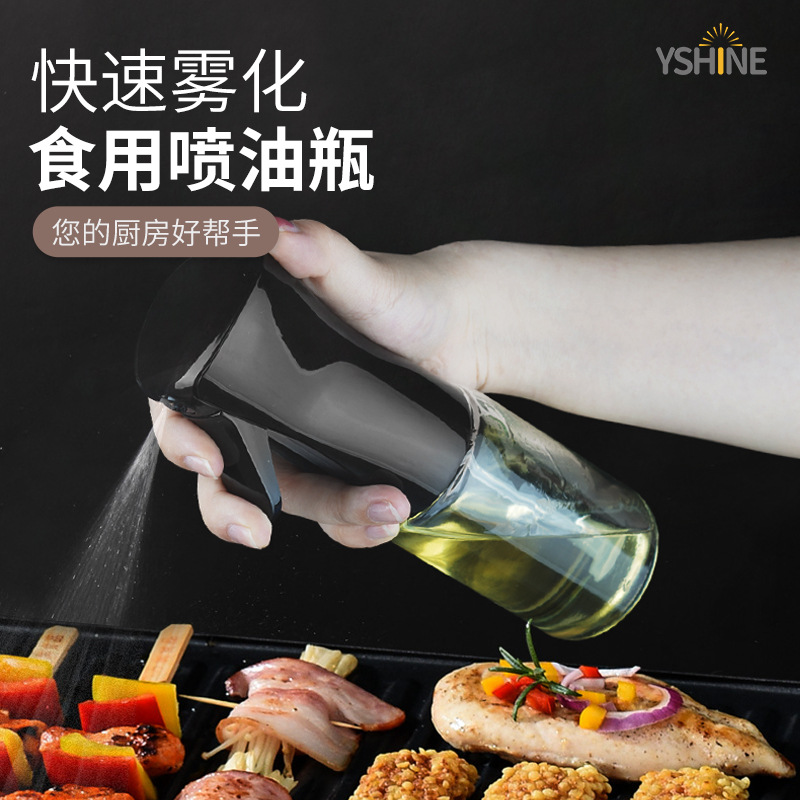
The olive oil sprayer has become one of the fastest-growing kitchen accessories in the US and European markets. With consumers increasingly focused on healthy cooking and portion control, demand for quality oil spray bottles and glass oil dispensers continues to rise. But the category is flooded with cheap, poorly designed products — and for buyers sourcing olive oil sprayers, choosing the wrong product means negative reviews, high return rates, and damaged brand reputation.
This guide covers everything you need to know about choosing the best olive oil dispenser — whether you are buying for your own kitchen or evaluating glass oil dispensers for wholesale, private label, or retail. We break down materials, spray mechanisms, design features, and the market trends driving purchase decisions.
Key Takeaways
- Glass olive oil dispensers outsell plastic in the premium segment — consumers pay 30-50% more for glass.
- Tinted glass (green or amber) preserves olive oil quality by blocking UV light that degrades polyphenols.
- 2-in-1 spray + pour dispensers are the fastest-growing subcategory, replacing single-function sprayers.
- "Clogging" is the #1 complaint in olive oil sprayer reviews — stainless steel nozzles solve this.
- For wholesale buyers: glass body + stainless steel nozzle + multiple color options = highest customer satisfaction and lowest return rates.
Why Olive Oil Sprayers Are Trending
Three market forces are driving growth in the olive oil sprayer category:
- Health consciousness: Consumers want to reduce oil consumption. A sprayer uses 0.5g per spray vs 10-15g per pour — an 80% reduction that resonates with health-focused buyers.
- Air fryer adoption: Over 60% of US households now own an air fryer. Air fryers require a light oil coating for best results, making oil sprayers essential accessories.
- Premium kitchen aesthetics: Consumers are upgrading from disposable aerosol cooking sprays to refillable, attractive glass oil dispensers that look good on the kitchen counter.
Google search data confirms this trend: "olive oil sprayer" has 8,100 monthly searches in the US, "oil spray bottle" has 8,100, and "glass oil dispenser" has 2,900 — all with strong year-over-year growth.
Types of Olive Oil Dispensers
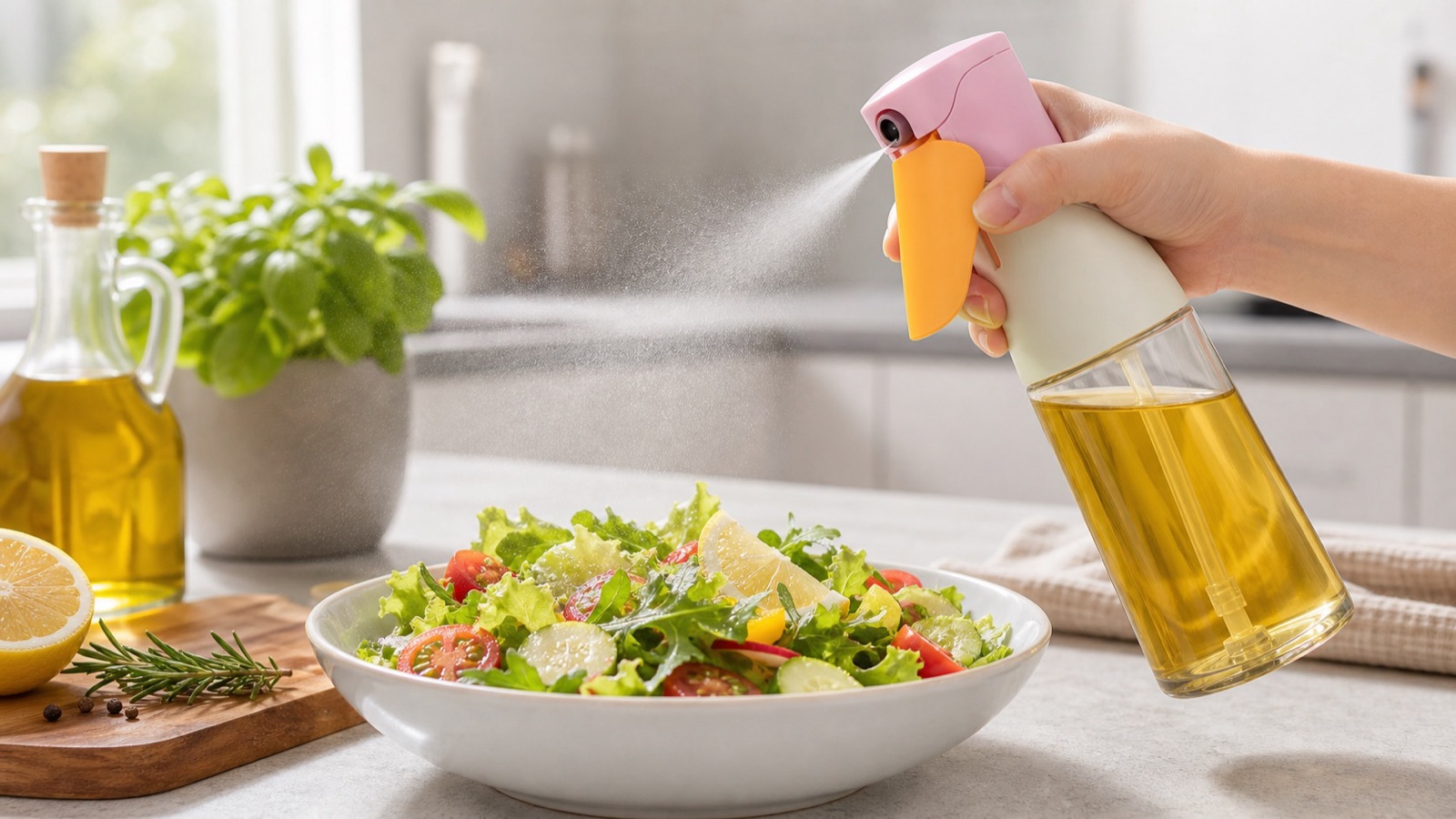
1. Press-Spray Oil Bottles
The most common type. A press button or trigger atomizes oil through a fine nozzle. Best for precise, controlled application. These are what most people mean when they search for "olive oil sprayer."
Desiky's glass oil sprayer bottles use this mechanism with a patented EU-registered design, delivering exactly 0.5g of oil per spray.
2. Pump-Pressure Sprayers (Oil Misters)
You pump a plunger 15-20 times to build air pressure, then press a button to release a spray. The spray quality starts fine but degrades as pressure drops. Popular on Amazon under "oil mister" search terms (1,000 monthly searches), but receiving increasing criticism for inconsistency and clogging.
3. 2-in-1 Spray + Pour Oil Dispensers
The newest and fastest-growing type. A single bottle combines a press-spray mechanism with a pour spout, switching between modes with one button or switch. This is the "oil dispenser" category (8,100 monthly searches) and represents the direction the market is heading.
Desiky's 2-in-1 oil dispensers are available in clear, green, and brown glass with four cap color options.
4. Pour-Only Oil Dispensers
Traditional oil cruets and drizzlers without a spray function. Still popular for table-side use and as decorative kitchen items. "Olive oil cruet" has 1,900 monthly searches, but this segment is mature and not growing.
Glass vs Plastic: The Material That Matters Most
For olive oil storage and dispensing, the container material directly affects oil quality, user experience, and product longevity. This is not a minor detail — it is the most important factor in olive oil dispenser selection.
Why Glass Wins for Olive Oil
Olive oil is a living product. It contains polyphenols, antioxidants, and volatile flavor compounds that degrade when exposed to light, heat, and reactive surfaces. Glass is the only material that is completely non-reactive with olive oil.
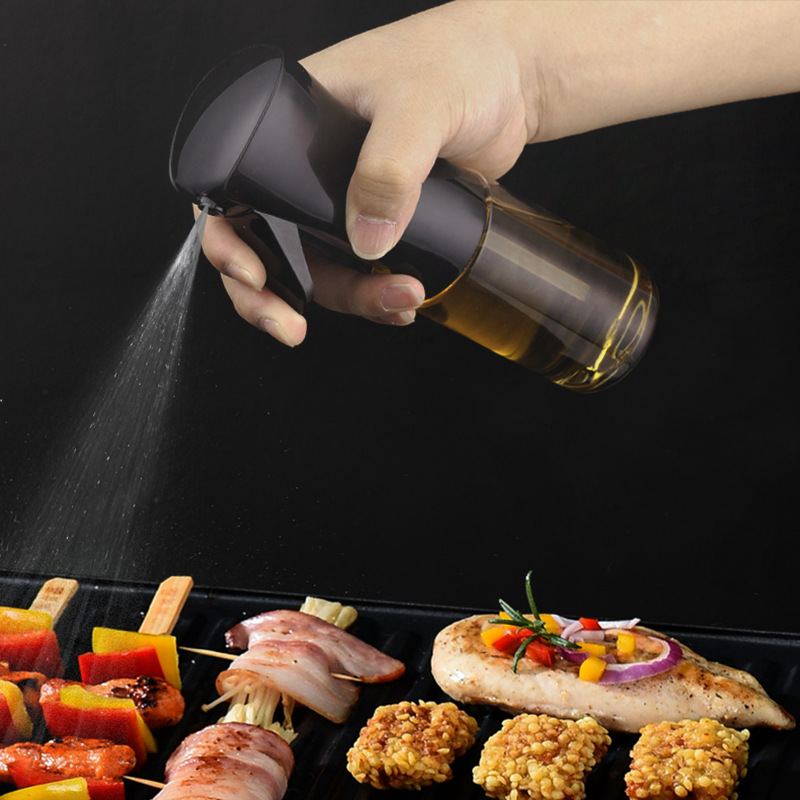
- No chemical interaction: Glass does not leach chemicals into oil, regardless of storage duration. Some plastics (particularly cheaper grades) can release plasticizers into oil over time — a health concern that drives informed consumers toward glass.
- No odor absorption: Plastic absorbs oil odors and flavors. After a few months, a plastic olive oil sprayer smells rancid even when cleaned — because the odor is embedded in the material. Glass does not absorb odors.
- UV protection (tinted glass): Dark green and amber brown glass block 80-95% of UV radiation that degrades olive oil polyphenols. This is why premium olive oil brands bottle their product in dark glass — and why your dispenser should match.
- Easy, complete cleaning: Glass cleans to a truly neutral state. Plastic retains oil residue in microscopic surface scratches, creating hygiene issues and flavor contamination when switching oil types.
- Premium perception: Consumers associate glass with quality. A glass olive oil dispenser on a kitchen counter looks premium. A plastic one looks disposable. This perception gap drives a 30-50% retail price premium for glass products.
Choosing the Right Glass Type
| Glass Type | UV Protection | Best For | Price Impact |
|---|---|---|---|
| Clear borosilicate | Minimal | Display use, oils used quickly | Base price |
| Dark green tinted | High (~85%) | Olive oil, premium aesthetics | +5-10% |
| Amber brown tinted | Highest (~95%) | Specialty oils, maximum preservation | +5-10% |
| Soda-lime glass | Varies by tint | Cost-effective production | Lower than borosilicate |
Recommendation: For olive oil specifically, dark green or amber brown glass is ideal. The UV protection preserves the oil's health benefits and flavor. For general cooking oil where UV degradation is less of a concern, clear glass works well and allows users to see the oil level.
Critical Design Features
1. Nozzle Material and Design
The nozzle is the component that makes or breaks an olive oil sprayer. "Clogging" is the number one negative keyword in olive oil sprayer reviews on Amazon — and the root cause is almost always a poorly designed nozzle.
Stainless steel nozzles are the solution. Oil residue adheres less to polished stainless steel than to plastic, and any buildup is easily dissolved with warm water. Look for nozzles with an anti-drip auto-suction mechanism — after each spray, residual oil is pulled back into the bottle instead of dripping down the nozzle.
2. Ergonomic Handle
A handle is not optional for oil dispensers above 300ml. A full glass bottle of olive oil weighs 400-500g — trying to grip a smooth glass cylinder with oily hands is both uncomfortable and risky. The best designs integrate the handle into the cap assembly, keeping your hand away from the glass body entirely.
3. Wide Mouth for Easy Refilling
A narrow opening means using a funnel every time you refill. A wide mouth opening (40mm+) lets you pour oil directly from the bottle. This small design detail has an outsized impact on daily user satisfaction.
4. Capacity Options
The right capacity depends on use frequency and use case:
- 200-220ml: Best for individuals and light cooking. Lasts 3-4 weeks with daily use. Compact and easy to handle.
- 300-350ml: Good all-rounder for families. Lasts 4-6 weeks. The most popular size on Amazon.
- 470-500ml: For heavy use and families. Lasts 6-8 weeks. Best value per ml. Popular in the 2-in-1 dispenser format.
For Wholesale Buyers: Market Insights
If you are sourcing olive oil dispensers for retail, Amazon, or private label, here are the market dynamics to understand:
What Drives Positive Reviews
- Consistent, fine spray — the single most praised feature in 5-star reviews.
- Glass body — repeatedly cited as a reason for purchase over plastic alternatives.
- No clogging — the absence of clogging earns specific praise because competitors fail here.
- Attractive design — customers want a product they are proud to leave on the kitchen counter.
- Easy to clean — weekly cleaning should take under 2 minutes.
What Drives Negative Reviews
- Clogging (33% of negative reviews) — almost always caused by plastic nozzles or poor atomization design.
- Leaking (20%) — from poor seal design between the glass body and the spray head.
- Uneven spray (18%) — producing a stream instead of mist, especially with thicker oils.
- Plastic smell (12%) — from cheap plastic spray heads or bottle bodies.
- Difficult to refill (8%) — narrow mouths that require a funnel.
Sourcing Checklist for Wholesale Buyers
| Feature | Must-Have | Nice-to-Have |
|---|---|---|
| Glass body | Yes | — |
| Stainless steel nozzle | Yes | — |
| Anti-drip mechanism | Yes | — |
| Ergonomic handle | For 300ml+ | For 200ml |
| 2-in-1 spray + pour | — | Yes (growing trend) |
| Tinted glass options | — | Yes (differentiation) |
| Multiple cap colors | — | Yes (listing variety) |
| Custom logo/packaging | For private label | — |
| Wide mouth refill | Yes | — |
| Food-safe certification | Yes | — |
Why Source Glass Oil Dispensers from Desiky
Desiky manufactures a complete range of glass oil sprayers and 2-in-1 oil dispensers in our Yuyao, China factory — not through a trading company. Here is what we offer:
- Two product lines: Press-spray glass oil bottles (EU & US patented design, 0.5g precision) and 2-in-1 spray + pour oil dispensers (clear, green, brown glass).
- Three glass color options: Clear borosilicate, dark green tinted, and amber brown tinted — all with the same spray mechanism and four cap colors.
- Stainless steel nozzle standard: All our oil sprayers use stainless steel atomization nozzles with anti-drip auto-suction design.
- Low MOQ: Stock products available from just 2 units. Custom logo and packaging from 3,000 units.
- Fast dispatch: Stock items ship within 48 hours. Custom orders in 20-25 days.
- Full OEM service: Custom colors, logo printing (silk-screen, pad, hot stamp), custom packaging, and new mold development.
Contact us for wholesale pricing, samples, and custom quotes.
Frequently Asked Questions
What is the best olive oil sprayer for daily cooking?
A glass press-button oil sprayer with a stainless steel nozzle is the best choice for daily cooking. Glass preserves oil quality, the press mechanism delivers consistent fine mist, and stainless steel resists clogging. For maximum versatility, a 2-in-1 oil dispenser that combines spray and pour functions gives you the most utility from a single bottle.
Does olive oil clog oil sprayers?
It can — extra virgin olive oil is thicker than refined oils and contains particles that can clog fine nozzles. To prevent this: use refined olive oil (which sprays more easily), choose a sprayer with a stainless steel nozzle, and clean the spray mechanism weekly with warm soapy water. With proper care, a quality oil sprayer handles olive oil without clogging.
Is a glass or plastic olive oil dispenser better?
Glass is better for olive oil. It is non-reactive (no chemical leaching), does not absorb odors, cleans more thoroughly, and tinted glass protects olive oil from UV degradation. Plastic olive oil dispensers may absorb rancid odors over time and some plastics can interact with the fats in olive oil. The only advantage of plastic is shatter-resistance.
What size olive oil sprayer should I buy?
300-350ml is the most popular size — it lasts 4-6 weeks for a family with daily use and is comfortable to hold one-handed. If you also want pour functionality, 470-500ml 2-in-1 dispensers offer the best capacity-to-versatility ratio.
How do I clean an olive oil sprayer?
Weekly: fill with warm water and dish soap, shake, pump the spray mechanism several times, rinse thoroughly, and air-dry upside down. Monthly: soak the nozzle in warm vinegar-water (1:3) for 30 minutes to dissolve oil buildup. The glass body is dishwasher-safe (remove the spray head first).
Can I put balsamic vinegar in an oil sprayer?
Yes, oil sprayers work well with vinegar, soy sauce, lemon juice, and other thin liquids. In fact, vinegar sprays more easily than oil due to its lower viscosity. Just clean the dispenser thoroughly when switching between oil and vinegar to prevent flavor mixing.